Are you wondering when the right time is to turn on your air conditioner? You’re not alone.
Turning it on too early can waste energy and money, while waiting too long might leave you uncomfortable and sweaty. Knowing exactly when to switch it on can save you from both discomfort and high bills. You’ll discover simple tips to help you decide the perfect moment to start your AC, so you stay cool without overspending.
Keep reading to find out how to make your home comfortable and energy-efficient all season long.
Ideal Temperature To Start Ac
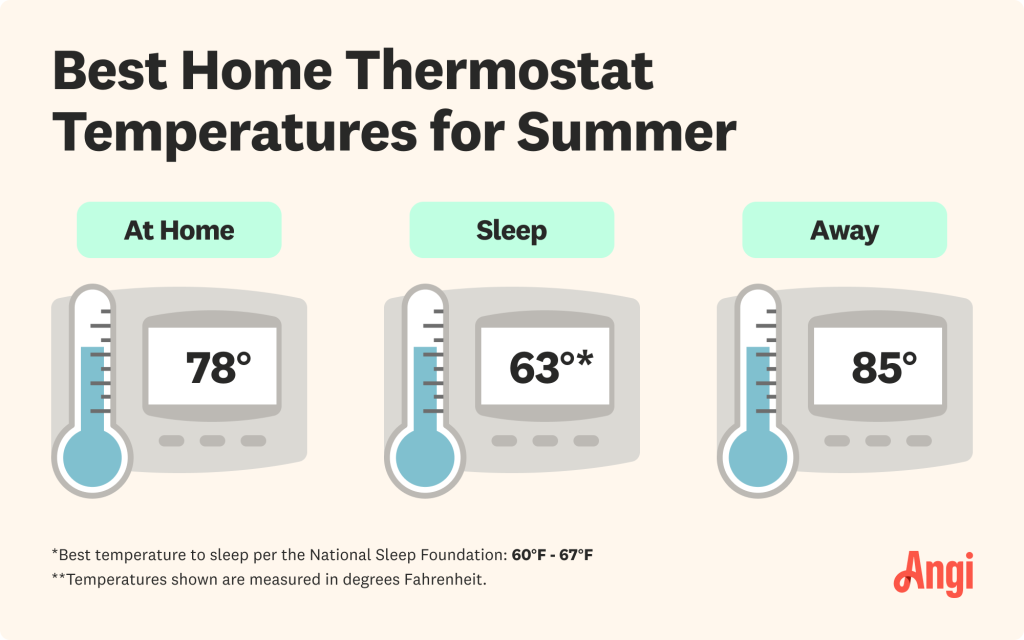
The ideal indoor temperatureto start your air conditioner is usually around 78°F (25°C). This temperature keeps rooms cool and saves energy. Cooler settings use more electricity and may raise bills.
Balancing comfort and energy use is key. Set the AC to a temperature that feels good but doesn’t waste power. Fans can help spread cool air without extra cost.
| Season | Recommended Indoor Temperature |
|---|---|
| Summer | 75°F – 78°F (24°C – 26°C) |
| Spring/Fall | 78°F – 80°F (26°C – 27°C) |
| Winter (if AC used for cooling) | 80°F (27°C) |
- Raise the thermostat when no one is home.
- Use fans to improve air flow.
- Close blinds to block sunlight.
- Keep doors and windows shut to save energy.

Credit: www.angi.com
Weather Factors To Consider
Humidity levelsaffect comfort inside your home. High humidity makes rooms feel hotter. Air conditioners help by removing moisture from the air. Turning on the AC is useful when humidity rises above 60%. Dry air feels cooler, so you might wait if humidity is low.
Outdoor temperature trends also matter. Consistently warm days above 75°F (24°C) suggest using your air conditioner. Sudden warm spells can be uncomfortable without cooling. Watch for steady temperature increases, not just one hot day. This helps save energy and money.
Energy Efficiency Tips
Programmable thermostatshelp control your home’s temperature automatically. They save energy by turning the air conditioner on only when needed. Set the thermostat to a higher temperature when you are not home. Lower the temperature before you return to cool the house efficiently. This helps reduce electricity bills and keeps your home comfortable.
Alternative cooling methods can also reduce the need for an air conditioner. Use fans to circulate air and create a breeze. Close blinds and curtains during the hottest parts of the day to block sunlight. Open windows in the evening to let cooler air in. Planting trees near windows can provide shade and cool the air around your home.

Credit: www.acostainc.com
Signs You Need To Turn On Ac
Heat-related discomfort happens when the air feels too hot or sticky. Sweating a lot and feeling tired or restless are signs to turn on the AC. Staying cool helps you feel better and sleep well at night.
Health concerns can get worse in hot weather. Older adults, young children, and people with heart or lung problems need cool air to stay safe. The AC keeps the air fresh and lowers the risk of heat stroke or dehydration.
Maintenance To Improve Cooling
Cleaning or replacing the air filterhelps the AC work well. Dirty filters block airflow. This makes your unit work harder and use more energy. Check filters every month during summer. Replace if they look dirty or clogged. Regular filter care keeps air fresh and cool.
Refrigerant is a key part of cooling. Low refrigerant levelsmake the AC less effective. It may not cool properly and could freeze up. A professional should check and refill refrigerant. Never try to add refrigerant yourself. Proper refrigerant levels keep the AC running smoothly and cools the room faster.

Credit: www.russettsouthwest.com
Frequently Asked Questions
When Is The Best Time To Turn On My Air Conditioner?
The best time to turn on your AC is when indoor temperatures exceed 75°F. This keeps you comfortable and prevents energy waste. Early use can save energy by avoiding excessive heat buildup inside your home.
How Do I Know If My Ac Needs To Be Turned On?
Turn on your AC if you feel uncomfortable heat or humidity indoors. Also, if the outdoor temperature consistently stays above 75°F, it’s time to start cooling your home.
Should I Turn On My Ac Before It Gets Hot?
Yes, turning on your AC before extreme heat helps maintain steady indoor temperatures. It prevents your home from overheating and reduces strain on the unit during peak heat times.
Can I Save Energy By Delaying Ac Use?
Delaying AC use can save energy but only if indoor temperatures remain comfortable. If it gets too hot, running the AC efficiently is better than enduring discomfort or using fans alone.
Conclusion
Choosing the right time to turn on your air conditioner saves energy and money. Pay attention to the outdoor temperature and your comfort needs. Starting too early can waste power, while waiting too long might cause discomfort. Keep your home cool without overusing the AC.
Regular maintenance helps your unit run smoothly. Remember, small actions lead to big savings. Stay comfortable and smart about your cooling choices. It’s simple and effective for a pleasant home environment.