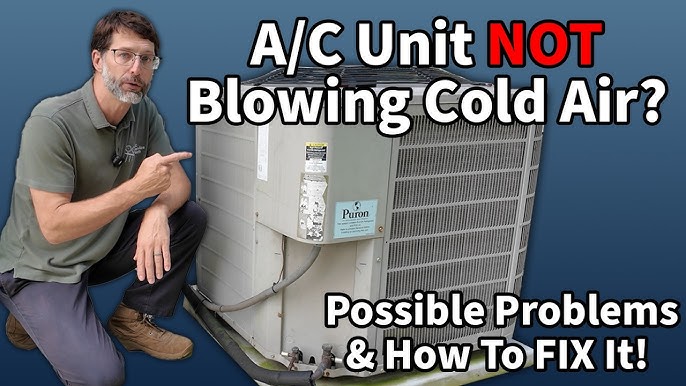
Is your air conditioner running but not cooling your room? It’s frustrating when you expect a cool breeze, but only warm air greets you.
You might start to feel uncomfortable, especially on a hot day. But don’t worry—this problem is common and fixable. Understanding why your AC isn’t cooling properly can save you time, money, and stress. Keep reading to learn the simple steps you can take to bring back that refreshing chill to your home.
Credit: airconditioner.jatimnetwork.com
Common Causes Of Poor Cooling
When an air conditioner is not cooling, it can be frustrating. Understanding the common causes can help you troubleshoot the issue.
There are several reasons your air conditioner might not cool effectively. Let’s explore them to find a possible solution.
Dirty Air Filters
Dirty air filters block airflow and reduce efficiency. This can cause the air conditioner to struggle and not cool properly.
- Check and replace filters monthly
- Use high-quality filters for best results
- Ensure proper installation to avoid gaps
Thermostat Issues
Sometimes, the thermostat might be set incorrectly or malfunctioning. This leads to the air conditioner not cooling as desired.
Make sure the thermostat is set to cool and at the right temperature. Replace batteries if needed.
Refrigerant Leaks
Refrigerant is crucial for cooling. Leaks can lead to poor cooling performance and increased energy usage.
| Leak Sign | Action |
| Hissing sound | Call a technician |
| Poor cooling | Check refrigerant levels |
| Ice on coils | Inspect for leaks |
Blocked Condenser Unit
Leaves, dirt, and debris can block the condenser unit outside. This restricts airflow and affects cooling capacity.
Regularly clean the area around the condenser and remove any obstructions to maintain efficient cooling.
Electrical Problems
Electrical issues can prevent the air conditioner from working. These might include faulty wiring or tripped breakers.

Credit: www.delcohvac.com
Simple Diy Fixes
If your air conditioner is not cooling well, you can try some easy fixes yourself. These tips can help you avoid costly repairs.
Check each part carefully. A small problem might stop your AC from working right.
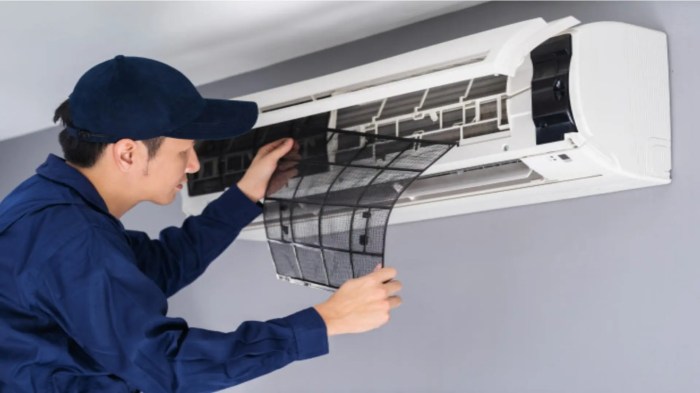
Cleaning Or Replacing Filters
Dirty filters block airflow and reduce cooling. Clean or replace your filters regularly to keep the AC working well.
- Turn off the AC before removing filters.
- Use a vacuum or wash filters with water if reusable.
- Let filters dry completely before putting them back.
- Replace disposable filters if they are too dirty or damaged.
Resetting The Thermostat
The thermostat controls the AC temperature. Resetting it can fix cooling problems caused by wrong settings.
Turn the thermostat off, wait a few minutes, then turn it back on. Make sure it is set to “cool” and the temperature is lower than the room.
Clearing Debris Around The Unit
Outdoor AC units need clear space for airflow. Leaves and dirt can block the unit and reduce cooling.
Follow these tips to clear debris:
- Turn off power to the unit before cleaning.
- Remove leaves, grass, and dirt from around the unit.
- Clean the fins gently using a soft brush or hose.
- Keep at least two feet of clear space around the unit.
Checking Circuit Breakers
If the AC does not turn on or cool, a tripped breaker might be the cause. Check your home’s electrical panel.
| Action | Description |
| Locate Breaker | Find the breaker labeled for the AC unit. |
| Check Position | See if the breaker is in the “off” or middle position. |
| Reset Breaker | Switch the breaker fully off, then back on. |
| Test AC | Turn the AC on to see if it cools properly. |
When To Recharge Refrigerant
Air conditioners use refrigerant to cool the air. If your AC is not cooling well, low refrigerant might be the cause. Knowing when to recharge refrigerant helps keep your home comfortable.
Recharging refrigerant at the right time can improve your AC’s performance. It also prevents damage to the system and saves energy.
Signs Of Low Refrigerant
Low refrigerant can cause your air conditioner to cool poorly. Watch for these signs that show your AC may need a recharge.
- The air feels warmer than usual
- AC runs longer without cooling enough
- Ice forms on the refrigerant lines
- Unusual hissing or bubbling noises
- Higher electricity bills without extra use
Safety Precautions
Handling refrigerant can be dangerous. Always follow safety rules to protect yourself and your home.
- Wear gloves and safety glasses
- Work in a well-ventilated area
- Avoid direct contact with refrigerant
- Do not inhale refrigerant fumes
- Keep refrigerant containers upright and secure
Professional Recharge Vs. Diy
Recharging refrigerant requires special tools and knowledge. You can try DIY only if you have experience. Otherwise, call a professional.
- Professionals find leaks and fix them before recharging
- They use exact refrigerant amounts for your AC model
- DIY kits may not measure refrigerant correctly
- Incorrect recharge can damage your AC system
- Professionals handle refrigerants safely and follow laws
Preventive Maintenance Tips
Air conditioners need regular care to work well. Without it, they may stop cooling properly.
Simple maintenance steps can keep your AC running cool and save energy.
Regular Filter Replacement
Dirty filters block airflow and reduce cooling power. Change filters often to keep air clean.
- Check filters every month during heavy use
- Replace filters every 1 to 3 months
- Use the filter type recommended by the manufacturer
- Clean reusable filters with water and dry before reuse
Scheduled Professional Inspections
Experts find problems early and fix them before they get worse. Schedule inspections yearly.
| Inspection Task | Why It Matters |
| Check refrigerant levels | Low levels reduce cooling |
| Inspect electrical connections | Loose wires cause failures |
| Clean coils and fins | Improves heat exchange |
| Test thermostat function | Ensures correct temperature |
Keeping Outdoor Unit Clear
Outdoor units need space and clean surroundings. Blocked units cool less effectively.
- Remove leaves, dirt, and debris near the unit
- Trim plants and bushes to allow airflow
- Keep at least 2 feet of clearance around the unit
- Clear snow and ice in cold weather
- Check the unit for any damage regularly
When To Call A Professional
Your air conditioner may stop cooling properly for many reasons. Some problems are easy to fix yourself. Others need a professional’s help.
Knowing when to call a professional can save you time and money. It also prevents damage to your AC unit.
Persistent Cooling Problems
If your AC does not cool even after cleaning or replacing filters, call a professional. This may show a deeper issue inside your system.
Professionals can check refrigerant levels and find leaks. They also inspect parts that affect cooling performance.
Strange Noises Or Smells
Unusual sounds like grinding or banging mean something is wrong. Strange smells, like burning or mold, can signal electrical or mold problems.
Do not ignore these signs. A professional can safely find and fix the cause of noises or smells.
Electrical Or Compressor Issues
If your AC unit does not turn on or trips the breaker, call a professional. Electrical problems can be dangerous and need expert care.
Compressor failure stops cooling completely. Only trained technicians can repair or replace the compressor safely.

Credit: fischerheating.com
Frequently Asked Questions
Why Is My Air Conditioner Not Cooling Properly?
Your AC might have a dirty filter, low refrigerant, or blocked vents. Check these first to restore cooling efficiency.
How Often Should I Clean My Ac Filters?
Clean AC filters every 1-3 months. Dirty filters reduce airflow and cooling capacity, causing the unit to underperform.
Can Low Refrigerant Cause Poor Cooling?
Yes, low refrigerant levels directly reduce cooling power. It often indicates leaks that need professional repair to restore function.
Why Is The Air Conditioner Blowing Warm Air?
Warm air can result from dirty coils, thermostat issues, or compressor failure. Inspect and fix these for proper cooling.
Conclusion
A cooling air conditioner makes summer bearable. Fix small issues early to avoid big problems. Clean filters and check settings often. Call a technician if cooling stays weak. Regular care helps keep your home cool. Stay comfortable even on the hottest days.
Don’t wait until the heat becomes too much. A cool room means better rest and work. Keep your air conditioner running smoothly all season. Simple steps bring fresh, cold air back fast.