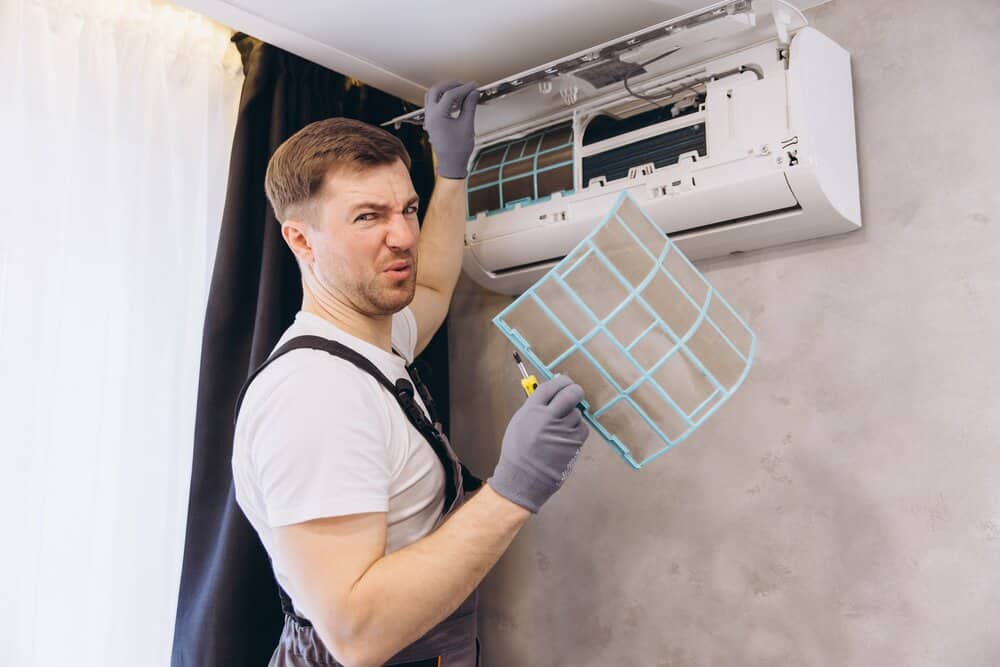
Your air conditioner filter plays a bigger role than you might think. It keeps the air you breathe clean and helps your AC run smoothly.
But do you know when it’s time to change that filter? Ignoring this simple task can lead to higher bills, poor air quality, and even costly repairs. Keep reading to discover the signs you should never miss and how changing your filter at the right time can save you money and keep your home comfortable all year long.
Why Filter Changes Matter
Air conditioner filterstrap dust, dirt, and allergens. Dirty filters lower air qualityinside your home. Clean filters help keep the air fresh and healthy. This is very important for people with allergies or asthma.
Changing filters also saves energy. A clogged filtermakes the AC work harder. This uses more electricity and raises bills. Clean filters help the AC run smoothly and use less power.
Regular filter changes extend the lifeof your air conditioner. Dust buildup can cause parts to wear out fast. Clean filters protect the AC and stop costly repairs. This keeps the unit working longer and better.
Credit: www.familyhandyman.com
Signs You Need A New Filter
Reduced airflowmeans the air conditioner is working harder. Dust and dirt clog the filter. This blocks air from flowing freely through vents. The room may feel less cool even when the AC runs. Changing the filter can fix this.
Increased allergies or dustsuggest the filter is not trapping particles well. More dust settles on furniture. Sneezing and coughing may happen more often. A new filter helps keep the air cleaner and healthier.
Unusual odorscan come from a dirty filter. Mold or bacteria may grow on old filters. This causes bad smells when the AC runs. Replacing the filter removes the source of the odor and freshens the air.
Recommended Replacement Intervals
Air conditioner filters should be changed regularly to keep air clean.
Most filters need changing every 30 to 90 days, depending on use.
- Homes with pets may need filter changes every 30 days.
- Homes without pets can often wait up to 90 days.
- Filters in heavy-use systems might need more frequent changes.
Some factors affect how often to replace filters:
- Number of people in the home.
- Presence of pets or smokers.
- Air quality in your area.
- Type of filter used.
Season changes also matter. More use in summer and wintermeans filters get dirty faster.
Check filters monthly during these seasons to decide if they need changing.

Credit: www.midwestheating.com
Filter Types And Their Lifespans
Fiberglass filtersare the most basic type. They catch large particles like dust and dirt. These filters usually last about 30 days. They are cheap but need frequent changes to keep the air clean.
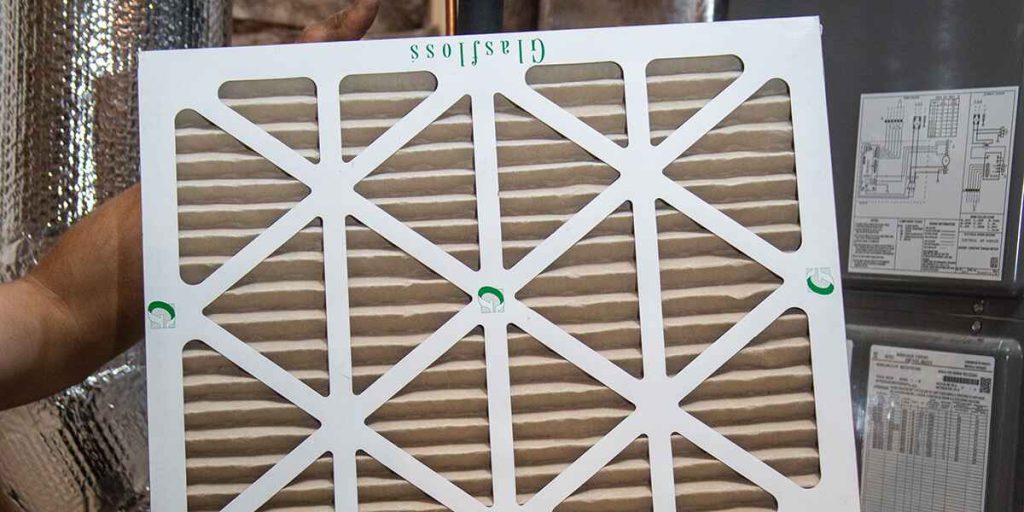
Pleated filtershave a larger surface area. They trap smaller particles such as pollen and pet dander. These filters can last between 90 to 180 days. They offer better air quality and need less frequent replacement.
HEPA filtersare the best for cleaning air. They catch very tiny particles, including allergens and bacteria. HEPA filters can last up to 12 monthsbut may need replacing sooner if used in dusty environments.
Steps To Change Your Air Conditioner Filter
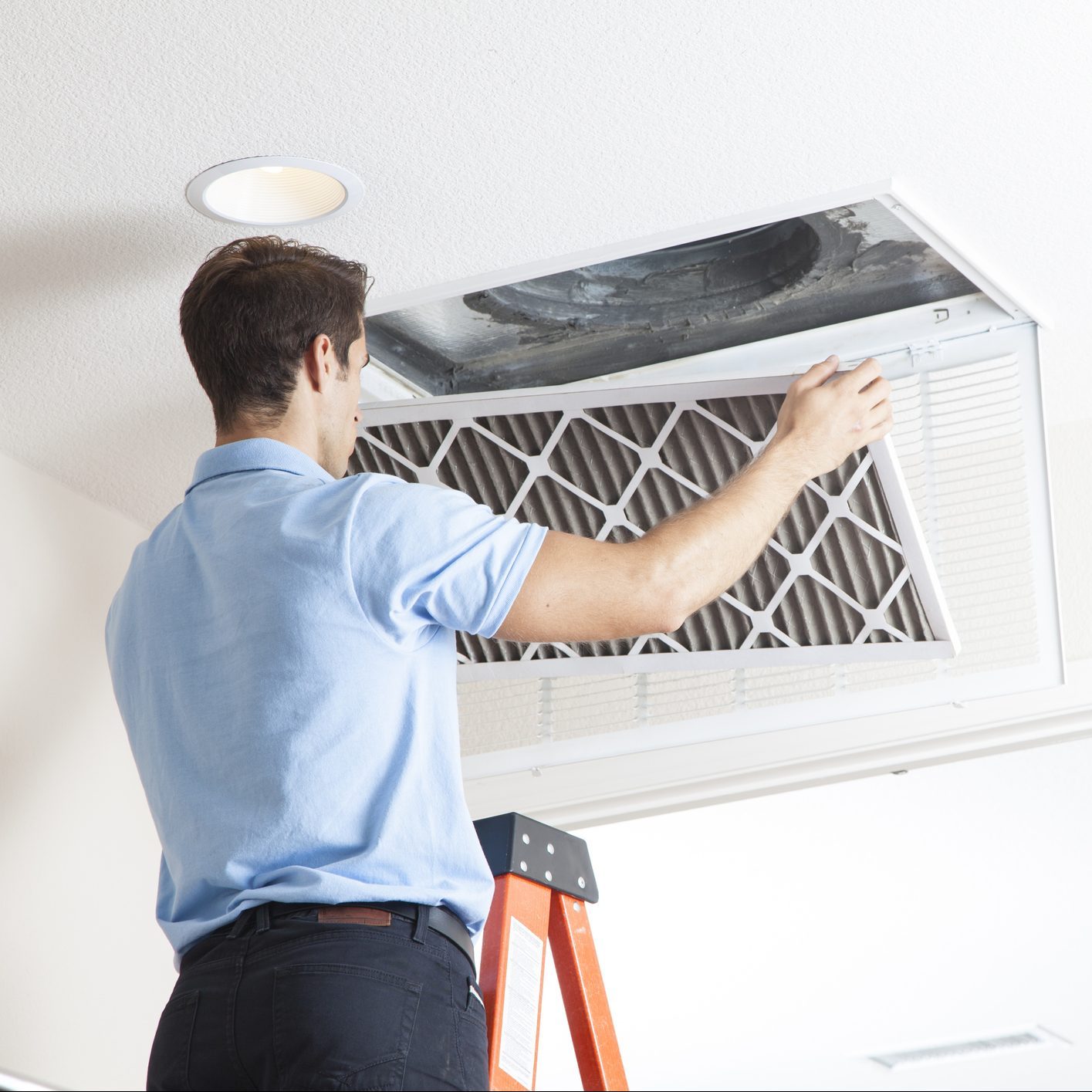
Find the air conditioner filter by checking the front or side panel of the unit. The filter usually slides out or is behind a small door. Look for a simple latch or clips holding it in place.
Pull the old filter out carefully to avoid dust spreading. If very dirty, take it outside to clean or dispose of it properly. Note the filter’s size and type before removing it.
Put the new filter into the slot, matching the arrows showing air flow direction. Ensure it fits snugly without bending or forcing. Close the panel or latch to secure the filter in place.
Credit: completecomforthampton.com
Tips To Maintain Filter Performance
Regular inspections help spot dirt build-up on the filter early. Check the filter every 1-2 months. Replace if it looks dirty or clogged. Clean filters improve air flow and save energy.
Keeping surroundings clean stops dust from reaching the filter. Vacuum floors and wipe surfaces near the air conditioner. Avoid placing items that shed dust close to vents.
Scheduling professional checks ensures the system works well. Experts can clean hard-to-reach parts and spot issues. Aim for a check-up at least once a year.
Frequently Asked Questions
How Often Should I Change My Air Conditioner Filter?
Change your air conditioner filter every 1 to 3 months. This depends on usage, filter type, and air quality. Regular changes improve airflow and efficiency, reducing energy costs and preventing system damage.
What Happens If I Delay Changing The Ac Filter?
Delaying filter changes reduces airflow and strains the AC system. This leads to higher energy bills, poor cooling, and potential breakdowns. Dirty filters also worsen indoor air quality, causing allergies and respiratory issues.
Can A Dirty Air Filter Affect Cooling Performance?
Yes, a dirty filter blocks airflow, making your AC work harder. This lowers cooling efficiency and increases energy consumption. Regular filter changes keep your system running smoothly and maintain consistent cooling.
Are All Air Conditioner Filters The Same Lifespan?
No, filter lifespan varies by type and brand. Basic fiberglass filters need changing monthly. Higher-quality pleated filters can last up to three months. Check manufacturer recommendations for best results.
Conclusion
Regularly changing your air conditioner filter is essential. It ensures clean air and efficient cooling. A clean filter reduces energy costs. It also prevents damage to the AC unit. Check your filter monthly. Replace it every one to three months.
This depends on usage and filter type. Pets and allergies might need more frequent changes. Always follow the manufacturer’s recommendations. A simple habit keeps your home comfortable. It also extends the life of your air conditioner. Save money and breathe cleaner air.
Make filter changes a priority. Your home and health will thank you.