Your car’s tires are the only part touching the road, so keeping them in good shape is key to your safety. But how do you know when it’s time to change them?
Ignoring worn-out tires can lead to dangerous situations like poor handling or even blowouts. You’ll discover clear signs that tell you exactly when to replace your tires. By knowing these simple tips, you’ll protect yourself, your passengers, and save money in the long run.
Keep reading to find out how to spot the right time for new tires and drive with confidence every mile.
Signs Tires Need Replacement
Tires are key for safe driving. They wear out over time. Knowing when to change them keeps you safe.
Look for clear signs on your tires. These signs tell you if it is time for new tires.
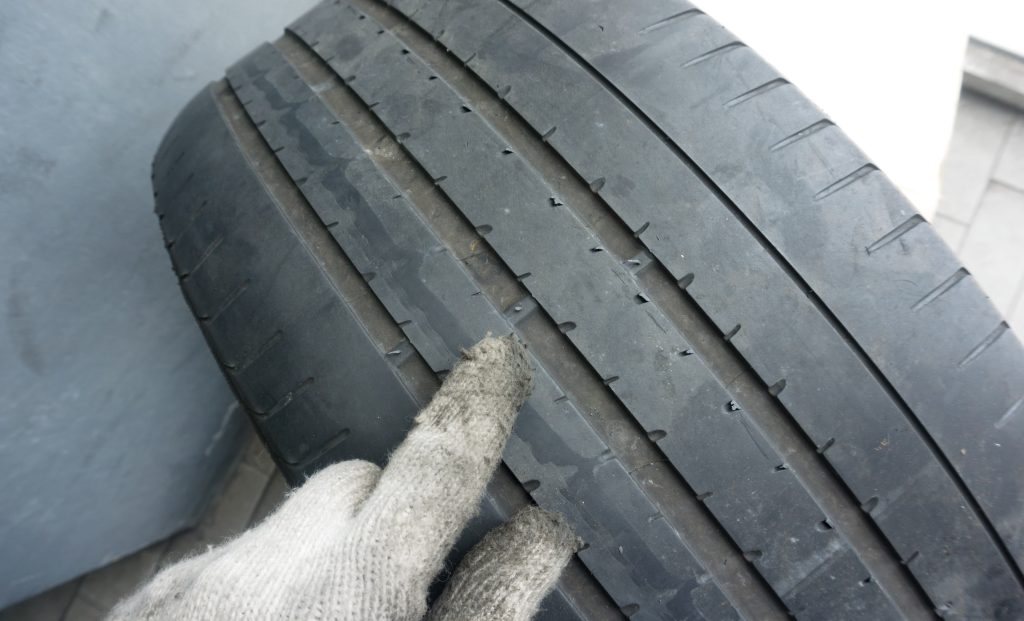
Tread Depth And Wear Indicators
Tread helps your car grip the road. If tread is too low, tires lose traction. Most tires have wear indicators. These are small bars inside the tread grooves.
- Check tread depth with a tread depth gauge or a penny.
- If tread is below 2/32 inch, replace the tire.
- Wear indicators appear when tread is too low.
- Uneven tread wear means tire alignment or pressure issues.
Cracks And Bulges On Sidewalls
Sidewalls show the tire’s condition. Cracks can happen from sun or age. Bulges mean internal damage. Both are dangerous.
| Issue | Description | Risk |
| Cracks | Small lines or splits on sidewalls | Can cause air leaks or blowouts |
| Bulges | Raised areas on the sidewall | Indicate weak spots, risk of tire failure |
Vibrations While Driving
Feel vibrations through the steering wheel or seat. This can mean tire issues. It may be unbalanced tires or damage inside the tire.
Common causes of tire vibration include:
- Uneven tire wear
- Loose or damaged wheel parts
- Improper tire balance
- Damaged or separated tire components

Credit: www.reddit.com
Recommended Tire Lifespan
Tires are a key part of your car’s safety. Knowing when to change tires keeps you safe on the road.
Tires wear out over time. This guide helps you understand when to replace them based on mileage and age.
Mileage Guidelines
Tires usually last between 25,000 and 50,000 miles. This depends on the tire type and driving habits.
Check your tire tread regularly. Worn tread means less grip and more risk on wet roads.
- Replace tires if tread depth is below 2/32 inch
- High-performance tires may wear faster
- Driving on rough roads can reduce tire life
- Regular tire rotation helps extend lifespan
Age Limits For Tires
Even if tires look fine, they weaken over time. Most experts say to replace tires after six years.
Heat, sunlight, and weather affect the rubber. Old tires can crack and lose performance.
- Check tire manufacture date on the sidewall
- Replace tires after 6 to 10 years, even if unused
- Store tires in a cool, dry place to slow aging
- Consult a tire specialist if unsure about age
Seasonal Tire Changes
Changing tires with the seasons helps keep your car safe. Different tires work best in summer and winter.
Knowing when to switch tires can improve driving and stop accidents on icy or hot roads.
Switching Between Summer And Winter Tires
Summer tires are designed for warm weather. They give good grip on dry and wet roads.
Winter tires have special rubber that stays soft in cold. They help on snow and ice.
- Change to winter tires before temperatures drop below 45°F (7°C).
- Switch back to summer tires when temperatures rise above 45°F (7°C).
- Store off-season tires in a cool, dry place.
- Check tire pressure regularly after switching.
All-season Tire Considerations
All-season tires work year-round in mild climates. They balance grip, comfort, and wear.
They are not best for extreme heat or heavy snow. Consider your local weather before choosing them.
- Use all-season tires if winters are mild with little snow.
- Replace tires when tread depth is below 4/32 inches for safety.
- Check tires often for cracks or damage.
- Rotate tires every 5,000 to 7,000 miles to extend life.
Impact Of Driving Conditions
Driving conditions affect how fast tires wear out. Different roads and weather change tire life.
Knowing these effects helps you decide when to change your tires. It keeps your car safe and smooth.
Effects Of Rough Roads
Rough roads cause more tire damage than smooth ones. Potholes and gravel can wear tires quickly.
- Cut or tear tires on sharp rocks
- Wear tread faster on uneven surfaces
- Cause uneven tire wear from bumps
- Increase risk of tire punctures
Check tires more often if you drive on rough roads. Change tires sooner to avoid problems.
Influence Of Climate And Weather
| Weather Condition | Impact on Tires | Recommended Action |
| Hot Weather | Tires wear faster and pressure rises | Check pressure weekly |
| Cold Weather | Tires become hard and lose grip | Use winter tires |
| Rain | Increases risk of hydroplaning | Replace worn tires quickly |
| Snow and Ice | Require special tread for traction | Install snow tires |
Weather changes tire performance. Adjust tire care to match the season and climate.
Tips For Tire Maintenance
Keeping your tires in good shape helps your car drive safely. Regular care can stop problems early.
Simple habits help your tires last longer and keep you safe on the road.
Regular Pressure Checks
Check your tire pressure every month. Proper pressure keeps tires safe and saves fuel.
Use a tire gauge to get the right number. Low or high pressure causes uneven wear.
- Check when tires are cold
- Follow the pressure in your car manual
- Add air if pressure is low
Proper Wheel Alignment
Wheel alignment means tires point the right way. Bad alignment causes quick tire wear.
Get alignment checked if your car pulls to one side. It helps your tires wear evenly.
- Check alignment yearly
- Check after hitting a curb or pothole
- Ask a mechanic for help
Tire Rotation Frequency
Rotate your tires every 5,000 to 7,000 miles. This lets tires wear evenly on all wheels.
Rotation helps your tires last longer and keeps driving smooth. Follow your car’s guide.
- Front tires move to back and vice versa
- Rotate in a pattern your car manual shows
- Do it during oil changes for convenience
Credit: motorist.org

Credit: www.youtube.com
Frequently Asked Questions
When Should I Replace My Car Tires?
Replace car tires when tread depth is below 2/32 inch or if you see cracks, bulges, or uneven wear. Also change tires every 6 years, even if they look fine, to ensure safety and performance.
How Do I Check Tire Tread Depth?
Use a tread depth gauge or the penny test. Insert a penny into the tread with Lincoln’s head upside down. If you see the top of Lincoln’s head, it’s time to replace the tires for safe driving.
Can I Drive On Worn Tires?
Driving on worn tires is unsafe. They reduce traction and increase the risk of hydroplaning and blowouts. Replace tires promptly to maintain control and avoid accidents, especially in wet or slippery conditions.
What Factors Affect Tire Wear?
Tire wear depends on driving habits, road conditions, tire pressure, and vehicle alignment. Aggressive driving, potholes, and improper inflation speed up wear, requiring more frequent tire changes for optimal safety.
Conclusion
Changing tires at the right time keeps your car safe on the road. Watch for worn treads and uneven wear patterns. Check tire age and any visible cracks or damage. Proper tire care helps improve fuel efficiency and driving comfort.
Don’t wait for problems to get worse. Regular inspections save money and prevent accidents. Stay alert to signs your tires need replacing soon. Safe driving starts with good tires. Keep your vehicle ready for any journey.