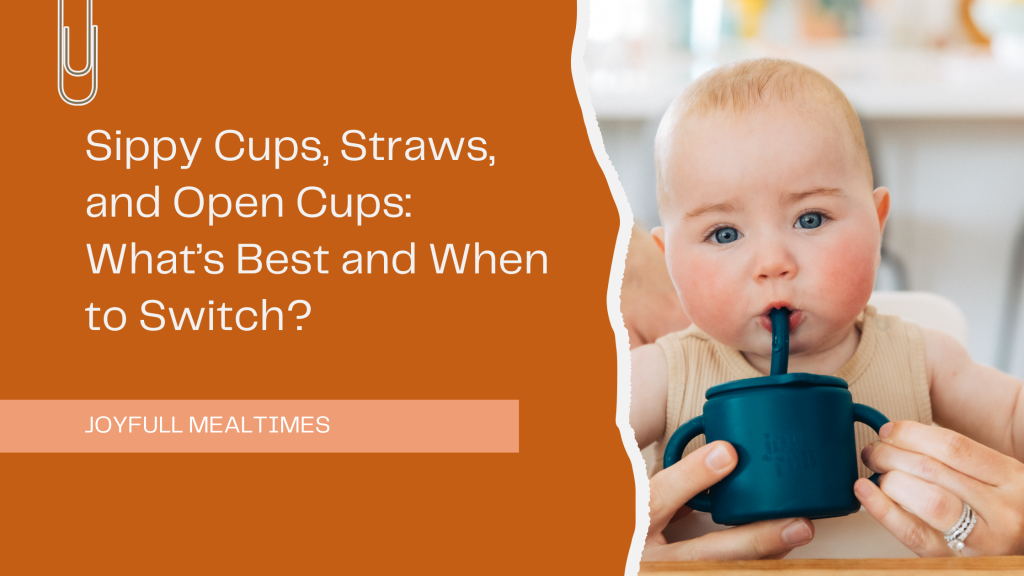
Every parent wonders when to give their child a sippy cup with a straw. It is a big step. Babies start drinking from bottles or breastfeeding. But as they grow, they need new ways.
A sippy cup with a straw helps babies learn to drink like big kids. But parents ask: When is the right time?
What Is a Sippy Cup With Straw?
A sippy cup with a straw is a small cup for toddlers. It has a lid and a straw. The straw lets the child sip the drink easily.
It is different from a regular bottle or a cup without a straw. The straw helps children learn to drink with their lips and mouth muscles.
Why Use a Sippy Cup With Straw?
- Helps develop mouth muscles for speech and eating.
- Encourages independence in drinking.
- Reduces spills and mess.
- Makes it easier for child to drink on their own.
When Can Babies Start Using Sippy Cups?
Most babies can try sippy cups between 6 to 9 months old. At this age, they can sit with support and have some control of their hands.
But every child is different. Some start earlier, some later. Watch your child’s skills and interest.
When to Introduce Sippy Cup With Straw?
Introducing a sippy cup with a straw usually happens around 9 to 12 months. Before this, babies may find it hard to use a straw well.
At 9 months, many babies can suck from a straw and use their lips properly. They begin to learn how to sip.
If your baby shows interest in cups and straws, it’s a good time. Signs include reaching for your cup or playing with straws.
Steps to Introduce a Sippy Cup With Straw
- Choose the right cup: Find a small, soft straw cup made for babies.
- Show your baby: Let them watch you drink using a straw.
- Help at first: Guide the straw to their lips gently.
- Practice often: Offer water or milk a few times a day.
- Be patient: They may spill or struggle at first.
Signs Your Baby Is Ready for a Straw Cup
| Signs of Readiness | Why It Matters |
|---|---|
| Sits up well without support | Needed for safe drinking and control |
| Can hold small objects with fingers | Helps hold cup and straw steadily |
| Shows interest in drinking from cups | Motivation helps learning |
| Mouth and lips can suck and close around straw | Needed to drink properly |
Tips for a Smooth Transition
- Start with water or milk at room temperature.
- Use a cup with a soft, flexible straw.
- Offer the cup when your baby is calm and not too hungry.
- Try giving the cup after feeding times.
- Make it fun. Smile and praise your baby.
- Expect spills. Keep a cloth handy.
- Do not force your child. Let them try when ready.
Common Challenges and How to Handle Them
Some babies may refuse the sippy cup at first. This is normal. They may prefer bottles or breastfeeding.
Try again after a week or two. Offer the cup regularly but do not force.
If your baby bites the straw, try a softer one. If spills happen a lot, choose a spill-proof cup.
:max_bytes(150000):strip_icc()/prt-chicco-double-wall-insulated-flip-top-sippy-cup-with-silicone-straw-jenna-flannigan-07-1-aea3f343f6174b69843acd08f1b96584.jpeg)
Credit: www.parents.com
Benefits of Using a Sippy Cup With Straw Early
Introducing a straw cup at the right time has many benefits:
- Improves oral muscle strength.
- Helps with speech development.
- Reduces risk of tooth decay compared to bottles.
- Encourages self-feeding and independence.
- Prepares child for drinking from regular cups.
When to Avoid Using Straw Cups
Some babies may have difficulty using a straw too early. If your baby has trouble with oral muscles, wait longer.
Talk to your pediatrician if you notice problems with feeding. Some health issues may need special care.
:max_bytes(150000):strip_icc()/prt-special-supplies-honey-bear-straw-cup-jenna-flannigan-01-c09699a8d3d24be689edf15806d229f0.jpeg)
Credit: www.parents.com
Comparison: Sippy Cup With Straw vs. Other Cups
| Type of Cup | Age to Start | Benefits | Challenges |
|---|---|---|---|
| Bottle | Birth to 12 months | Easy to use, familiar | May cause tooth decay, delays cup skills |
| Sippy Cup with Spout | 6 to 9 months | Less spill, easier transition from bottle | Less mouth muscle exercise, can hold liquid inside |
| Sippy Cup with Straw | 9 to 12 months | Good for mouth muscle development, more natural sip | May spill if child not ready |
| Open Cup | 12 months and up | Best for drinking skills, no parts to clean | Spills easily, needs close supervision |
Final Thoughts
Introducing a sippy cup with a straw is a natural step in toddler growth. Most babies are ready between 9 and 12 months.
Watch your baby’s signs. Be patient and encouraging. Use simple steps to help them learn.
Remember, every child is unique. Some start early, some later. Your love and support make all the difference.
Soon, your little one will enjoy drinking from their sippy cup with straw. A big moment on the path to growing up.
Frequently Asked Questions
At What Age Should I Introduce A Sippy Cup With A Straw?
Babies can start using a sippy cup with a straw around 6 to 9 months old.
How Does A Straw Sippy Cup Help My Baby’s Development?
Using a straw cup supports oral motor skills and helps with speech development.
Can A Sippy Cup With A Straw Prevent Bottle Dependence?
Yes, straw cups encourage independence and reduce reliance on bottles over time.
What Signs Show My Baby Is Ready For A Straw Cup?
Look for good head control and the ability to sit up without support.