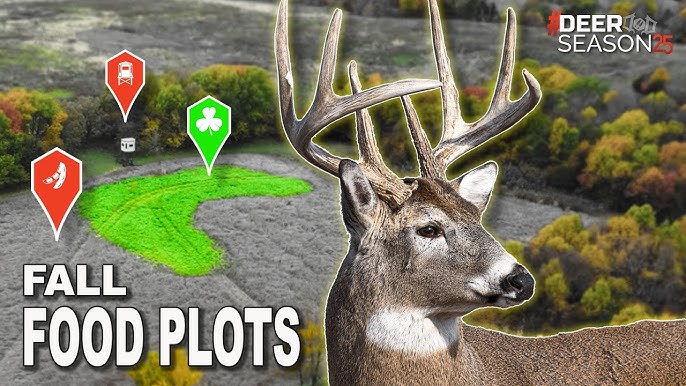
Are you looking to attract more deer to your land this season? Knowing exactly when to plant your deer food plot can make all the difference.
Plant too early or too late, and you might miss out on a healthy, thriving patch that keeps deer coming back. You’ll discover the best timing to get your food plot growing strong, so you can enjoy better hunting or wildlife watching.
Keep reading to find out how to get your planting schedule just right and watch your deer population flourish.
Ideal Seasons For Planting
Choosing the right time to plant a deer food plot helps ensure healthy growth.
Season affects soil, weather, and plant success in your plot.
Spring Planting Benefits
Planting in spring offers fresh growth as temperatures rise.
- Soil warms up for fast seed germination
- Plants grow quickly with longer daylight
- Deer find new food after winter scarcity
- Less chance of frost damage on young plants
Fall Planting Advantages
Fall planting helps plants establish before cold weather.
- Cooler soil retains moisture well
- Plants develop stronger roots in fall
- Food is ready when deer feed before winter
- Less weed competition in cooler months
Comparing Seasonal Outcomes
| Factor | Spring Planting | Fall Planting |
| Soil Temperature | Warms quickly | Cool but moist |
| Plant Growth Speed | Fast | Slower but steady |
| Deer Food Availability | Early summer | Late fall and winter |
| Root Development | Less time | More time |
| Weed Pressure | Higher | Lower |

Credit: www.gameandfishmag.com
Soil Preparation Tips
Preparing your soil is key to a successful deer food plot. The right steps can lead to lush growth. Let’s explore some essential tips for soil preparation.
Testing Soil Quality
Testing your soil helps you understand its current state. Knowing the pH and nutrient levels is important.
- Collect soil samples from different areas.
- Send samples to a lab for analysis.
- Review results to understand soil needs.
Nutrient Enhancement
Enhancing soil nutrients is crucial for plant growth. You can add organic matter to improve soil health.
| Material | Benefits |
| Compost | Improves soil structure |
| Manure | Increases nutrient content |
| Bone Meal | Provides phosphorus |
Tilling And Clearing
Tilling and clearing your plot prepares the ground for planting. This step helps remove weeds and debris.
Choosing The Right Seeds
Planting the right seeds is key to attracting deer to your food plot. The choices you make affect how well the plants grow and how much deer like them.
Understanding the best plants, seasonal seed types, and local climate helps you pick the best seeds. This guide breaks down these important factors.
Best Plants For Deer Attraction
Deer prefer plants that offer good nutrition and taste. These plants also grow well in many soils and climates.
- Clovers – rich in protein and easy to grow
- Brassicas – include turnips and radishes, great for fall and winter
- Chicory – deep roots and high nutrient content
- Alfalfa – high in protein and attracts deer all season
- Cereal grains – such as oats and barley, good for early growth
Seed Varieties By Season
| Season | Seed Types |
| Spring | Clovers, Alfalfa, Cereal grains |
| Summer | Chicory, Clovers, Alfalfa |
| Fall | Brassicas, Turnips, Radishes |
| Winter | Brassicas, Winter-hardy clovers |
Picking seeds that match the season helps plants grow strong. Deer will find fresh and tasty food throughout the year.
Local Climate Considerations
Climate affects seed choice and planting time. Some plants do better in cold areas, while others need warmer weather.
- Cold climates need hardy seeds like winter clover and brassicas.
- Warm climates support clovers, alfalfa, and chicory year-round.
- Check local frost dates to plan the best planting time.
- Soil type and moisture also affect seed success.
Weather And Climate Factors
Planting a deer food plot depends on weather and climate. These factors affect seed growth and plant health.
Understanding temperature, rainfall, and frost helps choose the best planting time. This ensures a healthy food plot for deer.
Temperature Thresholds
Temperature is crucial for seed germination. Most deer food plot seeds need soil temperatures above 50°F.
Planting too early can cause seeds to rot or fail. Waiting for warmer soil helps seeds sprout better.
- Cool-season plants prefer 50°F to 65°F soil temperature
- Warm-season plants need soil above 65°F
- Extreme heat can stress young plants
Rainfall Impact
Rainfall affects seed growth and soil moisture. Seeds need enough water to start growing.
Too little rain can dry out seeds. Too much rain can wash seeds away or cause mold.
- Ideal planting follows steady, moderate rain
- Avoid planting before heavy storms
- Water the plot if rain is scarce
Frost Dates To Watch
Frost can kill young plants. Knowing frost dates helps avoid planting too soon.
Plant after the last spring frost for warm-season crops. Plant before the first fall frost for cool-season crops.
- Check local frost date calendars
- Plan warm-season plants after last frost
- Harvest cool-season plants before first frost
Planting Techniques
Planting a deer food plot requires careful planning. Proper techniques help seeds grow strong and healthy.
Good soil preparation and correct planting improve the chances of attracting deer. Follow these tips for better results.
Seed Depth And Spacing
Plant seeds at the right depth to ensure good germination. Most deer food plot seeds should be planted ¼ to ½ inch deep.
Keep proper spacing between seeds to avoid overcrowding. Crowded plants compete for nutrients and water.
- Plant seeds ¼ to ½ inch deep in loose soil
- Space seeds about 1 to 2 inches apart
- Thin seedlings if they grow too close
Using Fertilizers
Fertilizers help plants get nutrients they need. Use fertilizers based on a soil test for best results.
Apply fertilizer before planting to prepare the soil. Avoid using too much, as it can harm the plants.
- Test soil to know nutrient needs
- Use balanced fertilizer with nitrogen, phosphorus, and potassium
- Apply fertilizer evenly on the soil surface
Irrigation Methods
Water is vital for seed germination and plant growth. Use irrigation to keep soil moist but not soggy.
Choose irrigation methods that fit your plot size and location. Regular watering helps plants develop strong roots.
- Use sprinklers or drip irrigation for even watering
- Water early in the morning or late in the evening
- Check soil moisture regularly to avoid overwatering
Maintenance For Optimal Growth
Planting a deer food plot is just the start. Proper care helps plants grow strong and healthy. Good maintenance keeps deer coming back.
Regular attention to the plot prevents problems and supports steady growth. Focus on weed control, pest management, and plant health monitoring.
Weed Control Strategies
Weeds compete with food plot plants for water, sunlight, and nutrients. Remove weeds early to avoid damage.
Use tools like hoes or hand-pulling to clear weeds. Avoid harsh chemicals near your food plot.
- Check the plot weekly for new weeds
- Pull weeds before they flower and spread seeds
- Use mulch or ground cover to reduce weed growth
Pest Management
Insects and animals can harm your food plot plants. Watch for signs of pest damage like holes or chewed leaves.
Choose natural ways to control pests first. Introduce beneficial insects or use safe pest sprays if needed.
- Inspect plants every week for pests
- Encourage birds and helpful insects to visit
- Apply pest control only when damage is severe
Monitoring Plant Health
Healthy plants grow better and feed deer longer. Check plants often for color, size, and leaf condition.
Look for signs of stress like yellow leaves or drooping stems. Adjust water and nutrients as needed.
- Water plants regularly but avoid overwatering
- Test soil to check nutrient levels each season
- Replace weak or dead plants to keep the plot full
Timing For Maximum Deer Attraction
Planting a deer food plot at the right time helps attract more deer. Good timing ensures plants grow well and provide food when deer need it most.
Understanding when to plant improves the chances of seeing deer at your plot. Different seasons need different planting schedules.
Growth Stages And Deer Feeding
Deer prefer food plots at certain growth stages. Young, tender plants attract deer more than mature, tough ones.
Plant early enough so the plot reaches peak growth when deer start feeding heavily. This gives them fresh leaves and nutritious shoots.
- Seedling stage offers soft, tasty plants
- Vegetative stage provides leafy growth for browsing
- Flowering and seeding stages are less attractive to deer
Seasonal Deer Behavior
Deer feeding habits change with seasons. Knowing these changes helps you plan when to plant food plots.
Deer eat more in spring and fall to gain weight. They prefer high-protein foods during these times.
- Spring: Deer need fresh, green plants after winter
- Summer: Deer eat a variety of plants but less focused on food plots
- Fall: Deer prepare for winter by eating high-energy foods
- Winter: Deer rely on woody plants and leftover food plot growth
Adjusting Planting For Hunting Seasons
Plant food plots to be most attractive during hunting seasons. This timing draws deer to your area when you want them nearby.
Different regions have different hunting seasons. Adjust your planting date so the plot is ready when hunting begins.
- Plant early spring for summer and fall hunting
- Plant late summer for late fall and early winter hunting
- Use fast-growing seeds if planting close to hunting season
- Consider soil temperature and weather for best germination

Credit: www.themeateater.com

Credit: www.deeranddeerhunting.com
Frequently Asked Questions
When Is The Best Time To Plant A Deer Food Plot?
The best time to plant a deer food plot is early spring or late summer. This timing allows seeds to germinate in optimal soil and weather conditions, ensuring healthy growth and maximum nutrition for deer during hunting season.
How Does Planting Time Affect Deer Food Plot Success?
Planting time affects seed germination, growth rate, and nutrient availability. Proper timing ensures strong plant development, attracting more deer. Early or late planting may reduce plot productivity and deer interest, impacting your hunting or wildlife observation efforts.
Can I Plant A Deer Food Plot In Fall?
Yes, fall planting is possible for cool-season crops like clover and rye. Fall planting helps establish roots before winter, providing early spring forage. However, success depends on your regional climate and soil temperature at planting time.
What Soil Conditions Are Ideal For Planting Deer Food Plots?
Ideal soil conditions include well-drained, fertile soil with a pH of 6. 0 to 7. 0. Proper soil preparation and testing before planting improve seed germination and plant health, leading to a more attractive and nutritious food plot for deer.
Conclusion
Planting a deer food plot at the right time helps plants grow strong. Choose early spring or late summer for best results. This timing gives plants enough warmth and moisture. Healthy plots attract more deer to your land. Watch the weather and soil before planting seeds.
Good care after planting also makes a big difference. Remember, timing affects how well your food plot grows. Plan well and enjoy a thriving deer habitat all season.