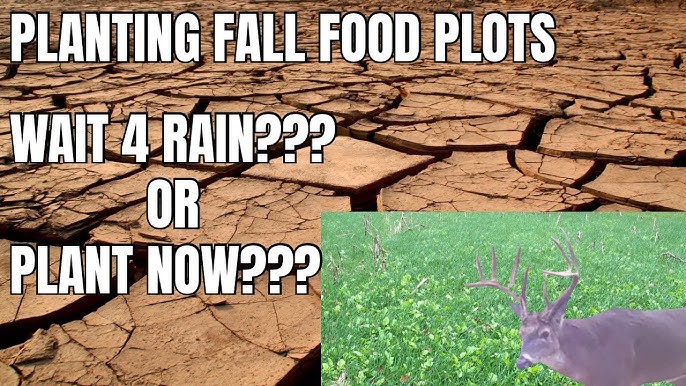
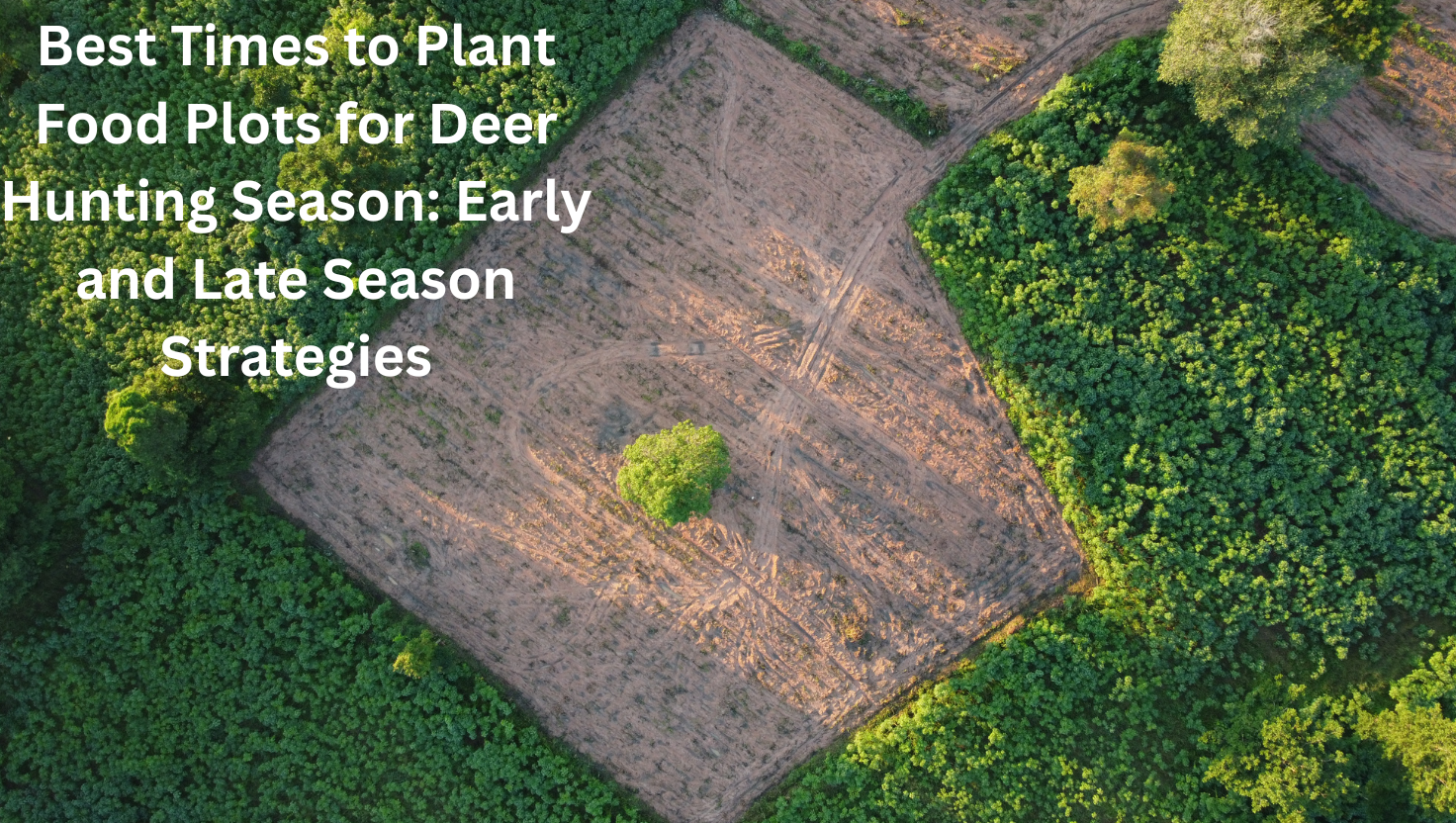
Are you wondering when the best time is to plant food plots that will truly boost your hunting success or backyard wildlife? Timing can make all the difference between a lush, thriving plot and one that struggles to grow.
Knowing exactly when to plant your seeds ensures your food plot flourishes, attracting the right animals and giving you the results you want. Keep reading, and you’ll discover the key windows for planting that can turn your efforts into a vibrant, productive food plot.
Don’t miss out on these game-changing tips!

Credit: www.youtube.com
Choosing The Right Season
Planting food plots at the right time helps plants grow strong. Different seasons bring different benefits and challenges.
Understanding each season’s effects can improve your food plot success. This guide covers spring, summer, fall, and winter planting.
Spring Planting Benefits
Spring offers warm soil and longer daylight. Plants start growing quickly after winter’s cold. The soil holds moisture well from spring rains.
- Warmer soil helps seeds sprout fast
- Good rainfall supports healthy growth
- Long days increase photosynthesis
- Less competition from weeds early on
Summer Planting Challenges
Summer heat can dry out soil quickly. Plants may need extra watering. Weeds grow fast and compete for nutrients.
| Challenge | Effect on Food Plots |
| High temperatures | Can stress plants and slow growth |
| Low soil moisture | Needs frequent irrigation |
| Fast weed growth | Requires more weed control |
Fall Planting Advantages
Fall planting prepares food plots for cooler weather. Soil is still warm, which helps seeds germinate. Cooler air reduces plant stress.
- Warm soil encourages quick sprouting
- Less insect damage than in summer
- Plants grow steady before winter
- Good time for cool-season crops
Winter Considerations
Winter is usually not ideal for planting. Cold soil stops seed growth. But some crops can survive cold weather if planted earlier.
| Winter Crop | Planting Tip |
|---|---|
| Winter rye | Plant in late fall for winter cover |
| Turnips | Plant early fall to harvest in winter |
| Oats | Use as cover crop, plant before frost |
Soil Preparation Timing
Planting food plots at the right time is key for good growth. Preparing the soil early helps plants grow strong.
Knowing when and how to prepare your soil can improve your food plot’s success. This guide covers important steps.
Testing Soil Health
Test your soil before planting to check its health. Soil tests show nutrient levels and pH balance.
Testing helps you choose the right fertilizers and amendments for the soil. It saves time and money.
- Collect soil samples from different areas
- Send samples to a local lab for testing
- Use test results to guide soil treatment
Ideal Soil Temperature
Soil temperature affects seed germination and growth speed. Plant seeds when soil is warm enough.
Most food plot seeds grow well when soil temperature is between 50°F and 65°F. Use a soil thermometer to check.
- Measure soil 2 to 4 inches deep
- Check temperature in the morning
- Wait for consistent warm soil before planting
Amending Soil Before Planting
Adding nutrients and organic matter improves soil quality. Amend soil based on test results.
Common amendments include lime to adjust pH and fertilizer to add nutrients. Work amendments into the soil well.
- Apply lime if soil is too acidic
- Add fertilizer with needed nutrients
- Mix compost or manure to boost organic matter
- Till soil to blend amendments evenly
Selecting The Best Crops
Planting food plots requires choosing the right crops for your land. This choice depends on the season and soil quality.
Understanding the best times to plant ensures healthy growth and a good yield.
Warm-season Crops
Warm-season crops are perfect for planting in spring and summer. They thrive in warmer temperatures.
- Corn
- Soybeans
- Sorghum
Cool-season Crops
Cool-season crops grow well in cooler temperatures. Plant these in early spring or fall.
| Crop | Best Planting Time |
| Wheat | Fall |
| Oats | Early Spring |
| Rye | Fall |
Crop Rotation Importance
Crop rotation helps in maintaining soil health. It prevents nutrient depletion and reduces pest build-up.
Credit: www.wildnatureman.com
Weather Factors To Watch
Planting food plots needs careful timing. Weather plays a big role in success.
Watching key weather factors helps your plants grow strong and healthy.
Rainfall Patterns
Rainfall helps seeds sprout and plants grow. Too little rain can dry out soil.
Too much rain can cause flooding and rot seeds. Check average rainfall before planting.
- Plant after moderate rain to keep soil moist
- Avoid planting before heavy rains
- Use irrigation if rain is scarce
Frost Dates
Frost can kill young plants. Know your area’s last spring frost date.
Plant food plots after the last frost. Watch for the first fall frost to harvest early crops.
- Check local frost date calendars
- Delay planting if frost risk is high
- Use frost protection if needed
Sunlight Requirements
Food plots need sunlight to grow. Most plants need at least six hours of sun daily.
Choose a site with good sun exposure. Avoid shaded areas under trees or buildings.
- Plant in open areas for full sun
- Consider sunlight hours in different seasons
- Adjust planting time to match sunlight availability
Timing For Wildlife Attraction
Planting food plots at the right time helps attract more wildlife. Knowing when animals feed can improve your planting success.
Timing affects how well your plot grows and how much animals visit. Careful planning makes your food plot more effective.
Matching Planting To Animal Behavior
Animals eat different plants at different times of the year. Plant food that matches their natural diet and feeding habits.
- Plant early for spring feeders like deer.
- Use warm-season crops for summer wildlife.
- Choose cool-season plants for fall and winter visitors.
- Consider local animal habits and migration patterns.
Peak Feeding Periods
Knowing peak feeding times helps you schedule planting and harvest. This keeps food available when animals need it most.
| Animal | Peak Feeding Season | Recommended Planting Time |
| White-tailed Deer | Fall | Late Summer |
| Wild Turkey | Spring | Early Spring |
| Small Game | Summer | Late Spring |
| Waterfowl | Winter | Fall |
Maintaining Food Plot Quality
Keep your food plot healthy to attract animals all season long. Regular care helps plants grow strong and tasty.
- Water plants during dry spells
- Remove weeds that compete for nutrients
- Rotate crops to improve soil health
- Test soil and add nutrients as needed

Credit: www.youtube.com
Common Mistakes To Avoid
Planting food plots at the right time is key for a good harvest. Many people make simple errors that hurt their crops.
Knowing what to avoid helps you grow healthy plants that attract wildlife and improve your land.
Late Planting Risks
Planting food plots too late can cause poor growth. Seeds may not sprout well if the soil is cold or dry.
- Plants may not mature before frost.
- Wildlife may find less food in the fall.
- Soil nutrients might be wasted on weak plants.
Ignoring Soil Conditions
Soil health affects how well plants grow. Ignoring soil can lead to weak crops and poor food plots.
| Soil Factor | Impact on Food Plot |
| pH Level | Too acidic or alkaline hurts seed growth |
| Nutrient Content | Low nutrients cause stunted plants |
| Soil Texture | Heavy clay or sandy soils affect water retention |
| Drainage | Poor drainage can drown roots |
Overlooking Local Climate
Each area has unique weather. Ignoring local climate leads to planting at the wrong time or wrong seed choices.
- Check average frost dates before planting.
- Choose seeds that match your climate zone.
- Plan irrigation if your area has dry spells.
- Watch for local pests and diseases.
Frequently Asked Questions
When Is The Best Time To Plant Food Plots?
The best time to plant food plots depends on your region and crop type. Typically, spring and early fall are ideal. These seasons offer optimal soil temperatures and moisture, ensuring good seed germination and growth for wildlife attraction.
How Does Planting Time Affect Food Plot Growth?
Planting at the right time ensures seeds germinate well and plants grow strong. Early planting avoids heat stress, while late planting can reduce yield. Proper timing maximizes plant health and attracts more wildlife to your food plot.
What Crops Should I Plant In Spring Food Plots?
In spring, plant cool-season crops like clover, ryegrass, and oats. These crops thrive in cooler temperatures and provide early-season nutrition for deer and other wildlife. They establish quickly, giving your food plot a strong start.
Can I Plant Food Plots During Summer Heat?
Planting during summer is challenging due to heat stress and dry soil. However, using drought-resistant crops and irrigating regularly can help. It’s better to avoid peak summer heat for best food plot success.
Conclusion
Planting food plots at the right time helps plants grow strong. Early planting lets seeds get good soil warmth. Late planting might mean less growth before cold weather. Watch local weather and soil conditions closely. Different plants have different best planting times.
Planning your planting schedule improves your plot’s success. Healthy food plots attract wildlife and support nature. Start your planting with care and attention. Good timing brings better growth and a rich plot. Remember, patience and observation lead to great results.