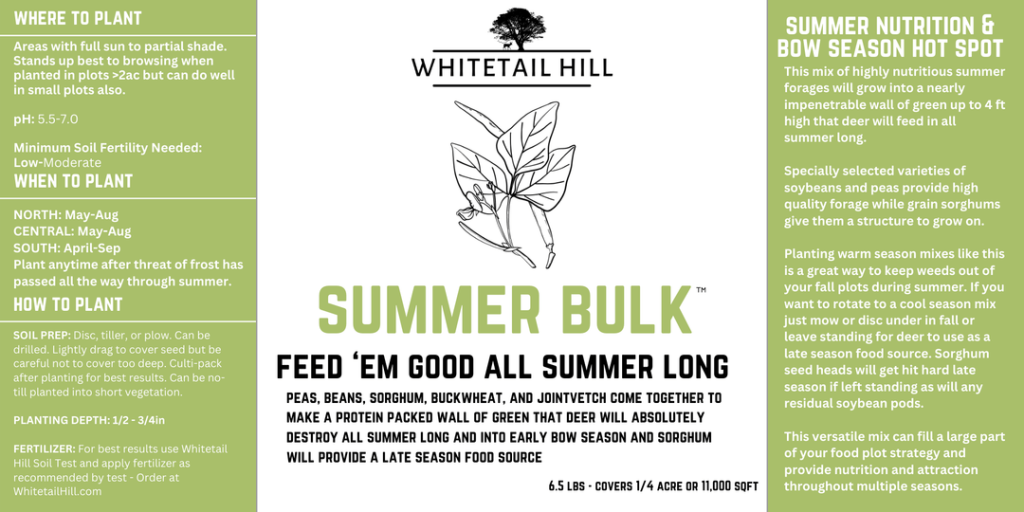
Are you ready to boost your hunting success or improve your backyard wildlife habitat? Knowing exactly when to plant spring food plots can make all the difference.
Plant too early, and your seeds might fail to sprout; plant too late, and you could miss the peak growing season. You’ll discover the perfect timing to get your food plots thriving, helping you attract more game and enjoy a healthier environment.
Keep reading to find out how to get the most from your spring planting efforts.

Credit: extension.msstate.edu
Ideal Soil Temperatures
Knowing the right soil temperature helps you plant spring food plots at the best time. Soil warmth affects seed germination and plant growth.
Planting too early or too late can reduce the success of your food plot. Check soil temperatures to improve your results.
Measuring Soil Warmth
Use a soil thermometer to measure the temperature where you want to plant. Take readings at a 2-4 inch depth in the morning for accuracy.
- Insert the thermometer 2-4 inches into the soil
- Check temperature early in the day
- Repeat for several days to see trends
- Record temperatures to track soil warming
Optimal Temperature Ranges For Seeds
Different seeds need certain soil temperatures to sprout well. Planting within these ranges increases germination rates.
| Seed Type | Minimum Soil Temp (°F) | Ideal Soil Temp (°F) | Maximum Soil Temp (°F) |
|---|---|---|---|
| Clovers | 50 | 60-70 | 85 |
| Winter Wheat | 40 | 50-65 | 75 |
| Brassicas | 45 | 60-70 | 80 |
| Millet | 65 | 70-85 | 95 |
Selecting The Right Seeds
Choosing the right seeds is key to planting successful spring food plots. Different seeds grow best in different temperatures and soil conditions.
Knowing which seeds fit your climate and soil helps you grow healthy crops. This guide covers cool-season and warm-season crops for spring planting.
Cool-season Crops
Cool-season crops grow well in early spring when temperatures are low. These crops tolerate light frosts and thrive in cooler soil.
Common cool-season seeds include clover, oats, and winter peas. These plants provide good cover and food for wildlife early in the year.
- Clover: Fixes nitrogen and grows quickly
- Oats: Provide good ground cover and food
- Winter peas: Add protein and attract deer
Warm-season Crops
Warm-season crops need warmer soil and air temperatures to grow well. Plant these seeds after the last frost date.
Popular warm-season seeds include soybeans, corn, and sorghum. These crops grow fast and offer high nutrition for wildlife.
- Soybeans: High protein and good for deer
- Corn: Provides energy-rich food
- Sorghum: Drought-tolerant and attracts many species
Weather Patterns To Watch
Planting spring food plots requires understanding key weather patterns. This helps in timing your planting for better growth.
Watch for weather changes to optimize your planting schedule. Below are important factors to consider when planning.
Frost Dates And Risks
Frost can damage young plants. Knowing the last frost date is crucial for planting safety.
- Check local frost date predictions.
- Plant after the last expected frost.
- Monitor for unexpected cold snaps.
Rainfall And Moisture Considerations
Rainfall impacts soil moisture, which is vital for plant health. Understanding rainfall patterns helps in planning.
Ensure good drainage to prevent waterlogged soil. Waterlogged soil can harm plant roots.
| Month | Average Rainfall (inches) |
| March | 3.2 |
| April | 4.1 |
| May | 4.5 |

Credit: www.gameandfishmag.com
Site Preparation Tips
Preparing your site well helps your spring food plots grow strong. Good soil and clear land give plants the best chance to thrive.
Take time to ready the ground before planting. This sets the stage for a healthy crop and better yields.
Clearing And Tilling
Clear the area by removing rocks, weeds, and debris. This makes space for seeds and helps plants grow without competition.
- Cut down tall grass and brush
- Remove roots and leftover plants
- Use a tiller to loosen the soil
- Break up large clumps of dirt
- Level the soil surface for even planting
Soil Testing And Amendments
Test your soil to know its pH and nutrient levels. This helps you choose the right amendments to improve soil health.
| Soil Factor | Ideal Range | Common Amendments |
| pH Level | 6.0 – 7.0 | Lime to raise pH, sulfur to lower pH |
| Nitrogen (N) | 20-30 ppm | Compost, manure, or nitrogen fertilizer |
| Phosphorus (P) | 15-25 ppm | Bone meal or phosphate fertilizer |
| Potassium (K) | 100-150 ppm | Potash or wood ash |
Timing Based On Wildlife Activity
Planting spring food plots at the right time helps attract more wildlife. Knowing when animals are most active guides your planting schedule.
Different species have unique habits and needs. Matching your planting time to these habits improves the chances of success.
Attracting Deer And Other Game
Deer and other game animals start searching for fresh food in early spring. Plant your food plots just before this period to catch their attention.
- Plant early to provide young, tender plants
- Use species known to attract local wildlife
- Keep plots accessible and visible to animals
- Monitor wildlife activity to adjust timing if needed
Feeding Habits And Seasonal Needs
Wildlife feeding habits change with the seasons. Spring is a time for new growth and higher nutrient needs.
| Season | Wildlife Feeding Behavior | Best Planting Time |
| Early Spring | Seeking fresh, green growth | Late winter to early spring |
| Late Spring | Increasing food intake for growth | Early to mid spring |
| Summer | Feeding on mature plants and fruits | Not ideal for planting spring plots |
Common Mistakes To Avoid
Planting spring food plots needs careful timing and good soil care.
Many gardeners make errors that hurt plant growth. Knowing what to avoid helps you grow healthy crops.
Planting Too Early
Starting your food plot too soon can cause seeds to fail. Cold soil stops seeds from sprouting well.
- Cold soil keeps seeds from germinating.
- Young plants may freeze and die.
- Early planting invites pests and diseases.
- Weeds grow faster in cold weather, outcompeting your crops.
Ignoring Soil Conditions
Good soil is key to a healthy food plot. Neglecting soil tests and care causes poor plant growth.
| Soil Factor | Effect of Ignoring |
| pH Level | Plants may not absorb nutrients well |
| Soil Texture | Poor water drainage or retention |
| Nutrient Levels | Stunted or weak plants |
| Soil Compaction | Roots cannot grow deeply |
Using Technology For Precision
Planting spring food plots at the right time helps plants grow well. Technology tools can guide you to choose the best time for planting. These tools give accurate information about soil and weather.
Using technology helps farmers and hunters make better decisions. This way, food plots can grow healthy and strong for wildlife and crops.
Soil Sensors
Soil sensors measure moisture, temperature, and nutrients in the soil. These details tell you if the soil is ready for planting. Sensors can be placed in the ground to give real-time data.
Knowing soil conditions helps avoid planting too early or too late. It also prevents wasting seeds in poor soil. Soil sensors improve the chance of a healthy food plot.
- Measure soil moisture to avoid dry or wet planting
- Check soil temperature for ideal seed germination
- Monitor nutrient levels to plan fertilization
Weather Apps And Forecasting Tools
Weather apps provide daily updates on temperature and rain. Forecasting tools predict weather changes days ahead. This helps you plan planting when conditions are best.
Knowing the weather prevents planting before frost or heavy rain. It also helps pick the right day for seed sowing and soil preparation.
- Check temperature forecasts for frost warnings
- Track rainfall to avoid waterlogged soil
- Use long-term forecasts for planting schedules
Credit: vitalizeseed.com
Frequently Asked Questions
When Is The Best Time To Plant Spring Food Plots?
The best time to plant spring food plots is early spring, after the last frost. Soil temperatures should be around 50°F for optimal seed germination. This timing ensures strong growth before summer heat and maximizes nutrient availability for wildlife.
How Do Soil Conditions Affect Spring Food Plot Planting?
Soil conditions like temperature, moisture, and pH greatly impact seed germination. Ideal soil should be moist but well-drained, with a pH between 6. 0 and 7. 0. Testing soil before planting helps adjust nutrients and improves food plot success in spring.
What Seeds Are Ideal For Spring Food Plots?
Cool-season crops like clover, oats, and peas are ideal for spring food plots. These seeds germinate well in cooler soil and provide nutritious forage for wildlife. Selecting seeds suited to your region enhances growth and attracts more game.
How Soon After Planting Do Spring Food Plots Grow?
Spring food plots typically germinate within 7 to 14 days after planting. Growth speed depends on soil temperature, moisture, and seed type. Early planting in optimal conditions promotes faster establishment and healthier forage for wildlife.
Conclusion
Planting spring food plots at the right time helps plants grow strong. Choose a date after the last frost for best results. Prepare the soil well before planting seeds. Water the plot regularly to keep the soil moist. Watch your plants grow and attract wildlife naturally.
Timing matters more than you might think. Start early, and enjoy a healthy, green food plot all season. Keep these tips in mind for a successful spring planting. Your effort will pay off with a thriving garden.