If you want to attract more deer to your land this winter, timing is everything. Planting your winter food plots at just the right moment can make all the difference in how well they grow and how many deer show up.
But when exactly is the best time to plant? Getting this wrong could mean wasted seeds and missed opportunities. You’ll discover the key signs and tips to know exactly when to plant your winter food plots, so you can maximize your success and enjoy a thriving habitat all season long.
Keep reading to find out how to make your land a deer magnet this winter.
Ideal Planting Periods
Planting winter food plots for deer requires attention to timing. Plant at the right time to help crops grow strong. This guide covers key factors to consider.
Understanding your region’s climate, soil temperature, and daylight helps pick the best planting time. Each factor affects seed germination and growth.
Regional Climate Impact
Climate varies by region and changes when to plant. Cooler areas need earlier planting. Warmer places allow later planting.
- In northern regions, plant in late summer to early fall.
- In southern regions, plant from early fall to mid-fall.
- Mountain areas may require the earliest planting dates.
- Coastal zones often have longer growing seasons.
Soil Temperature Guidelines
Soil temperature affects seed sprouting. Seeds need warm soil to start growing. Cold soil slows germination or stops it.
| Soil Temperature (°F) | Planting Advice |
| Above 50°F | Ideal for most winter food plot seeds |
| 45°F – 50°F | Plant with caution; slower germination |
| Below 45°F | Too cold; delay planting |
Daylight Considerations
Daylight length influences plant growth. Short days slow growth, so planting too late can reduce crop size.
Use this simple checklist to decide planting time based on daylight:
- Check daylight hours for your area.
- Plant when daylight is still 10 hours or more.
- Avoid planting when daylight drops below 9 hours.
- Adjust planting dates each year as daylight changes.
Choosing The Right Seeds
Selecting the right seeds is key to growing healthy winter food plots for deer. The choice depends on the season and soil conditions.
Understanding which crops grow best in cool or warm weather helps you plan the planting time and improve seed success.
Cool-season Crops
Cool-season crops thrive in colder weather. They grow well in fall and early winter. These crops provide good nutrition for deer during cold months.
- Turnips
- Winter peas
- Radishes
- Ryegrass
- Clover
Warm-season Crops
Warm-season crops grow best in summer and early fall. They need more heat to sprout and mature. These seeds help keep deer fed before winter.
- Corn
- Sorghum
- Soybeans
- Millet
- Sunflowers
Seed Germination Times
Knowing seed germination times helps you plan when to plant for best growth. Different seeds take different days to sprout.
| Seed Type | Germination Time (Days) |
| Turnips | 4 – 7 |
| Winter peas | 7 – 14 |
| Corn | 7 – 10 |
| Sorghum | 5 – 10 |
| Radishes | 3 – 5 |
Preparing The Site
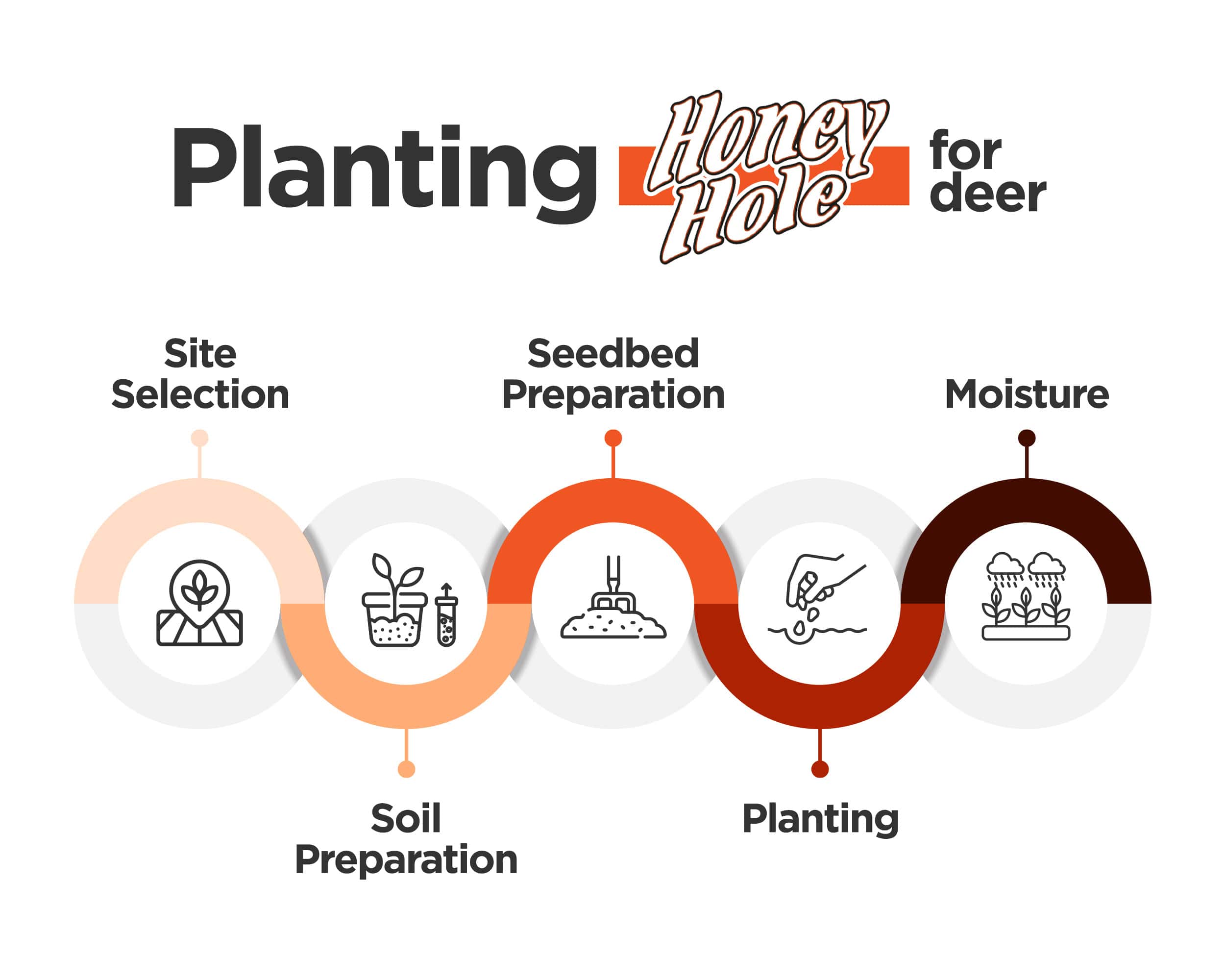
Creating winter food plots for deer requires proper site preparation. This ensures healthy plant growth. Start your preparation well in advance.
Successful food plots attract deer and provide essential nutrients. Follow these steps to prepare your site effectively.
Soil Testing And Amendments
Testing your soil is the first step in site preparation. It helps you understand nutrient levels and pH balance.
Adjust the soil with amendments for optimal plant growth. Common amendments include lime and fertilizers.
- Test soil for nutrient content
- Adjust pH with lime if needed
- Apply fertilizers to enrich the soil
Clearing And Tilling
Clear the site of debris, rocks, and vegetation. This ensures a smooth surface for planting.
Tilling the soil helps to aerate and mix in amendments. This creates a good seedbed for your food plots.
- Remove rocks and debris
- Clear unwanted vegetation
- Till the soil for aeration
Moisture Management
Moisture is crucial for seed germination. Ensure your site retains enough moisture.
Consider the natural water drainage of your site. Implement strategies to conserve moisture.
- Check for proper water drainage
- Use mulch to retain moisture
- Plan for irrigation if necessary

Credit: www.youtube.com
Weather Patterns To Watch
Planting winter food plots for deer depends on careful timing. Weather greatly affects seed growth and plant health.
Watch key weather signals to choose the best planting dates. This helps plants establish before cold weather.
Frost Dates
Frost can damage young plants if they are not ready. Know your area’s first fall frost date and last spring frost date.
Plant seeds early enough to grow before frost. Avoid planting too late or plants may not survive cold nights.
Rainfall Timing
Rainfall helps seeds sprout and young plants grow strong. Plant when rain is expected to keep soil moist.
- Check local weather forecasts before planting.
- Choose dates near regular rainfall periods.
- Water plots if rain is scarce after planting.
Avoiding Drought Stress
| Action | Reason |
|---|---|
| Plant early | Allow plants to develop deep roots before dry spells |
| Mulch soil | Retain moisture and protect roots |
| Monitor soil moisture | Water if soil gets too dry |
Monitoring Growth Progress
Watching your winter food plots grow helps ensure they develop well for deer. Careful monitoring lets you fix problems early.
Check each stage of growth to keep your plot healthy and productive throughout the season.
Seedling Emergence
Seedlings usually appear within 7 to 14 days after planting. Look for small green shoots breaking through the soil surface. Early emergence indicates good soil and planting conditions.
If seedlings do not appear on time, check soil moisture and temperature. Reseeding might be needed in bare spots to ensure full coverage.
Nutrient Needs
Plants need the right nutrients to grow strong. Watch for signs like yellow leaves or slow growth that show a lack of nutrients.
| Nutrient | Signs of Deficiency | Correction Method |
| Nitrogen | Yellowing leaves, slow growth | Apply nitrogen fertilizer |
| Phosphorus | Poor root growth, dark green leaves | Add phosphorus fertilizer |
| Potassium | Leaf edges turn brown | Use potassium fertilizer |
Pest And Weed Control
Check your plot often for pests and weeds. Both can harm young plants and reduce food for deer.
- Remove weeds by hand or use safe herbicides.
- Look for insect damage on leaves and stems.
- Use natural or approved pest controls to protect plants.
- Keep the area clean to prevent pest hiding spots.
Credit: antlerking.com
Adjusting Timing By Location
Planting winter food plots for deer requires timing based on where you live. Different regions have unique weather and soil conditions. These factors affect the best time to plant.
Knowing your local climate helps you plant at the right time. This ensures better growth and more food for deer during winter months.
Northern Regions
Northern areas have cold temperatures and early frosts. Planting too late can cause seeds to freeze before they sprout. Aim to plant in late summer or early fall.
This timing lets plants grow strong before winter. It also gives deer a steady food supply when natural plants die back.
- Plant between late August and early September
- Choose hardy seed varieties that handle frost
- Prepare soil well to help seeds grow fast
Southern Regions
Southern regions have milder winters and longer growing seasons. You can plant later than in northern areas. Late September to October works well here.
This later planting time takes advantage of warm soil. It helps seeds germinate quickly and grow before cold weather arrives.
- Plant between late September and mid-October
- Use seeds suited for warmer climates
- Watch for heavy rains that might wash away seeds
Mountainous Areas
Mountain climates can change fast with cold nights and short summers. Plant early to avoid frost damage. Late July to early August is usually best.
Early planting gives plants time to grow before cold weather. Soil may dry quickly, so make sure to water if possible.
- Plant between late July and early August
- Choose drought-tolerant seed types
- Prepare soil to retain moisture
Enhancing Deer Attraction
Planting winter food plots at the right time helps attract more deer. Deer seek nutritious plants during cold months. Proper planning boosts their visits to your plots.
Understanding key factors like plant diversity, plot size, and water availability improves your chances. These elements support deer needs in winter.
Plant Diversity
Use several types of plants to provide varied nutrition and cover. Different plants attract deer at different times and conditions.
- Include legumes for protein, such as clover and alfalfa.
- Add grains like oats and wheat for energy.
- Plant brassicas for vitamins and minerals.
- Mix in native grasses for shelter and food.
Plot Size And Shape
Choose a plot size and shape that fits your land and deer habits. Larger plots support more deer but need more care.
| Plot Size (Acres) | Recommended Shape | Benefit |
| 0.5 – 1 | Square or Round | Easy to manage and plant |
| 1 – 3 | Irregular with edges | More edge for deer travel |
| 3+ | Multiple smaller plots | Encourages movement and feeding |
Water Sources Nearby
Deer need water close to food plots. Water helps keep them healthy and more likely to visit often.
Ideal water sources to consider:
- Natural ponds or lakes
- Streams or creeks
- Man-made water troughs
- Wetlands or marshy areas

Credit: antlerking.com
Frequently Asked Questions
When Is The Best Time To Plant Winter Food Plots For Deer?
The ideal time to plant winter food plots is late summer to early fall. This timing ensures seeds germinate before frost and provides ample food during winter.
What Seeds Are Best For Winter Deer Food Plots?
Cool-season grains like oats, rye, and winter wheat are best. These seeds thrive in cooler temperatures and provide high nutrition for deer.
How Does Soil Preparation Affect Winter Food Plots?
Proper soil preparation improves seed germination and growth. Test soil pH, till the land, and add necessary nutrients for optimal plot success.
Can Food Plots Survive Harsh Winter Weather?
Yes, with proper seed choice and timing, food plots can endure cold. Winter-hardy plants sustain deer nutrition throughout severe weather conditions.
Conclusion
Planting winter food plots at the right time helps deer find enough food. Early planting gives seeds time to grow strong before cold weather. This supports deer health and keeps them nearby during winter. Watch the weather and soil to pick the best planting dates.
Good timing means better plants and happier deer. Start planning early for a successful winter food plot season. Small steps now lead to big rewards later. Keep it simple, and nature will do the rest.