Parents want their children to be safe in the car. Choosing the right seat is very important. One big question is: When should a toddler use a booster seat?
Booster seats help children sit safely. They make car belts fit properly. This keeps kids safe during a trip. But not all toddlers need a booster seat at once.
What Is a Booster Seat?
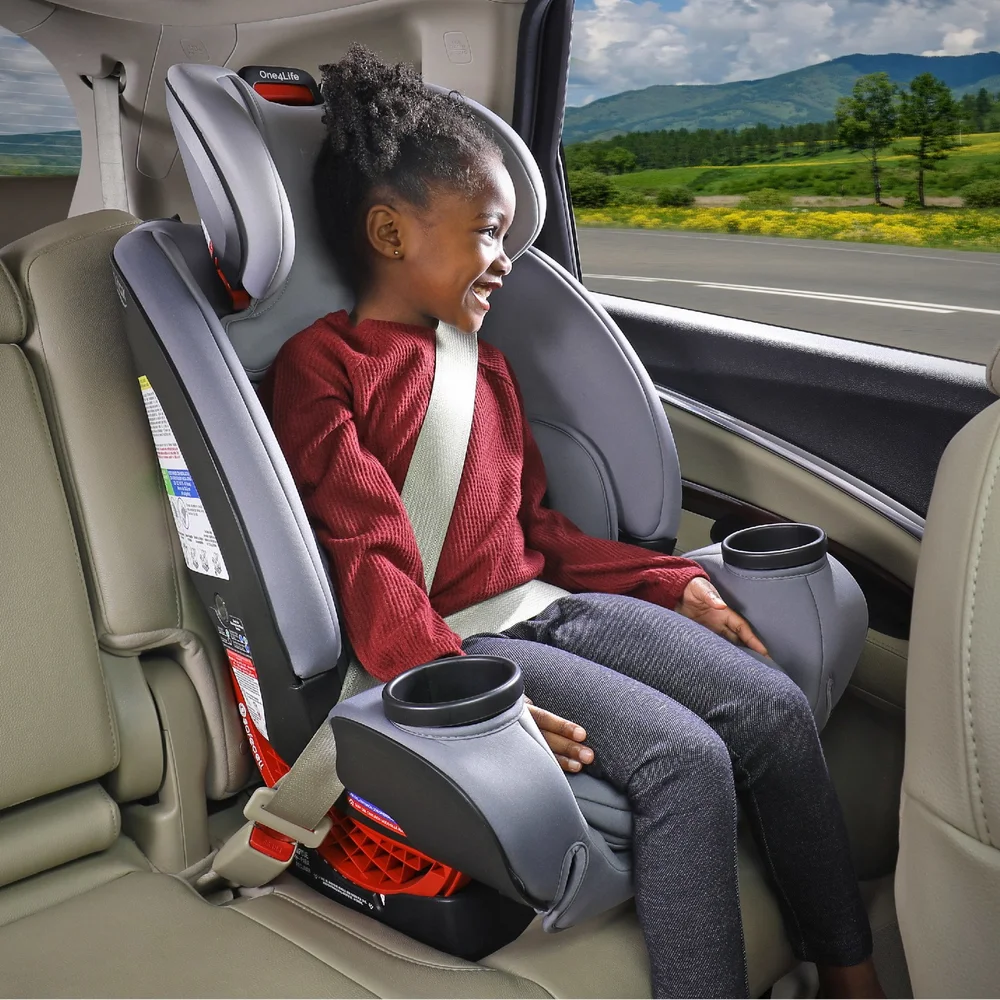
A booster seat is a special seat for kids. It raises them up. This helps the car’s seat belt fit the child right. The seat belt goes over the shoulder and lap. This protects the child if the car stops suddenly.
Booster seats are different from car seats with harnesses. Harness seats have straps that hold the child. Booster seats use the car’s belt instead. This is why the child must be big enough first.
Why Use a Booster Seat?
- It keeps the seat belt in the right place.
- It stops the belt from hurting the child’s neck.
- It helps the child sit safely and comfortably.
- It reduces the risk of injury in a crash.
When Should a Toddler Move to a Booster Seat?
There is no exact age for moving to a booster seat. But there are rules to follow. The child must be ready in size and weight. Most children use car seats with harnesses until they are about 4 to 7 years old.
Here are the key points to decide:
1. Weight And Height
Booster seats are for kids who weigh at least 40 pounds (18 kilograms). Some seats start at 30 pounds (14 kilograms). Check the booster seat label for limits.
Height is also important. Usually, kids need to be at least 40 inches (102 cm) tall. This helps the seat belt fit well over the shoulder and lap.
2. Outgrowing The Harness Seat
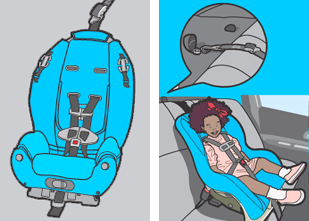
When your child is too big for a car seat with a harness, it’s time to switch. If the harness is tight or the child’s head is above the seat, move on.
3. Can The Child Sit Still?
Booster seats do not have straps. The child must sit still and keep the belt on. If your toddler moves a lot, stay with a harness seat longer.
4. Check Local Laws
Different places have different rules. Some require booster seats until age 8 or until a certain height. Always follow the law where you live.
Signs Your Toddler Is Ready for a Booster Seat
Look for these signs before changing seats:
- Your child’s shoulders are above the top harness slot.
- Your child’s ears are higher than the car seat back.
- Your child weighs more than 40 pounds (18 kg).
- Your child can sit still for the whole car ride.
- The car belt fits across their chest and lap, not the neck or stomach.
How to Choose the Right Booster Seat
There are two main types of booster seats:
1. High-back Booster Seat
This seat has a backrest. It helps support the child’s head and neck. It is good for cars without headrests. Also good for long trips.
2. Backless Booster Seat
This seat has no back. It is smaller and easy to move. Good for short trips or cars with good headrests.
Make sure the booster seat fits your child and your car.
How to Use a Booster Seat Correctly
Follow these steps to keep your child safe:
- Place the booster seat on the car seat.
- Have your child sit on the booster seat.
- Put the seat belt over the child’s shoulder and lap.
- Make sure the belt lies flat and is not twisted.
- The lap belt should fit low on the hips, not the stomach.
- The shoulder belt should cross the chest and shoulder, not the neck or face.
Always read the booster seat instructions. Check your car manual too. Some cars have special rules for booster seats.
When Can a Child Stop Using a Booster Seat?
Most kids stop using booster seats when they are about 8 to 12 years old. But size matters more than age.
A child can stop using a booster seat when:
- The seat belt fits correctly without a booster.
- The child’s back touches the car seat back.
- They can sit with knees bent at the edge of the seat.
Tips for Parents
- Always check your child’s growth regularly.
- Follow the booster seat manual carefully.
- Keep your child in a harness seat as long as possible.
- Never let your child use the seat belt without a booster if it does not fit well.
- Replace booster seats after a crash or if damaged.
- Practice patience. Every child grows at their own pace.

Credit: www.mercattoria.com.br
Summary Table: When to Use Booster Seat
| Criteria | Booster Seat Ready | Use Harness Seat |
|---|---|---|
| Weight | 40+ pounds (18+ kg) | Under 40 pounds (18 kg) |
| Height | At least 40 inches (102 cm) | Below 40 inches (102 cm) |
| Harness Fit | Outgrown harness seat | Fits in harness seat properly |
| Behavior | Can sit still, keep belt on | Moves a lot, needs straps |
| Seat Belt Fit | Fits over shoulder and lap correctly | Does not fit seat belt properly |
Credit: www.icbc.com
Final Thoughts
Choosing when to put your toddler in a booster seat is important. Safety comes first. Use the child’s size and behavior as a guide. Follow your local laws and seat instructions.
Remember, a booster seat is only safe when used correctly. It helps protect your child on every trip. Take your time. Make the best choice for your little one.
Frequently Asked Questions
When Should A Toddler Start Using A Booster Seat?
Toddlers usually start booster seats around 4 years old or when they outgrow the car seat.
How Do I Know My Toddler Needs A Booster Seat?
If your child’s shoulders are above car seat straps, it’s time for a booster seat.
What Is The Right Height For A Booster Seat?
A child should be about 40 inches tall to safely use a booster seat.
How Long Can A Toddler Stay In A Booster Seat?
Toddlers can use booster seats until they are 8 to 12 years old or 4’9”.