
Are you confused about whether you should refrigerate fresh eggs or keep them on the counter? You’re not alone.
Knowing the right time to refrigerate eggs can save you money, keep your food safe, and help your eggs last longer. You’ll discover simple tips that make a big difference for your kitchen and your health. Keep reading to find out exactly when and why you should refrigerate your fresh eggs.
Egg Storage Basics
Egg storage plays a key role in keeping eggs fresh and safe to eat. Fresh eggs differ from store-bought ones, affecting how you should store them. Understanding these basics helps you decide when to refrigerate eggs and how to handle them properly.
How Fresh Eggs Differ
Fresh eggs come directly from hens without washing. They have a longer shelf life if stored correctly. Store-bought eggs are cleaned and refrigerated to prevent bacteria. Fresh eggs can be stored at room temperature for several weeks. This difference changes the best storage method.
Natural Protective Coating
Fresh eggs have a natural coating called the bloom or cuticle. This coating seals tiny pores on the shell. It stops bacteria and moisture from entering the egg. Washing eggs removes this coating, making them more vulnerable. Keeping the bloom intact helps fresh eggs stay fresh without refrigeration.

Credit: www.peteandgerrys.com
Refrigeration Benefits
Refrigerating fresh eggs offers clear benefits for keeping them safe and fresh longer. Cold storage slows down natural processes that cause eggs to spoil. It also helps protect against harmful bacteria. Understanding these benefits can help you decide the best way to store your eggs at home.
Extending Shelf Life
Refrigeration can double or triple an egg’s shelf life. Eggs last about 3 to 5 weeks in the fridge. The cold temperature slows down aging and moisture loss. This keeps eggs fresher for a longer time. It also preserves their texture and flavor better than room temperature storage.
Preventing Bacterial Growth
Cold temperatures reduce the risk of bacterial growth on eggs. Harmful bacteria like Salmonella grow slower in the fridge. Keeping eggs chilled lowers chances of foodborne illness. It is especially important if eggs are washed or cracked. Refrigeration creates a safer environment for fresh eggs.
When To Refrigerate
Fresh eggs should be refrigerated after washing to keep them safe and fresh longer. Unwashed eggs can stay at room temperature for a short time. Cold storage slows bacteria growth and preserves quality.
Knowing when to refrigerate fresh eggs can make a significant difference in their quality and safety. Eggs are a staple in many households, and understanding the right time to store them in the fridge can help extend their shelf life while maintaining their freshness. Let’s dive into some important factors that will help you make the best decision on when to refrigerate your eggs.After Washing Eggs
If you’ve washed your eggs, it’s crucial to refrigerate them immediately. Washing removes the protective coating on the eggshell, which can make them more susceptible to bacteria. You might think that washing eggs makes them cleaner, but it actually increases the risk of contamination.Climate And Temperature Factors
Your local climate plays a big role in determining when to refrigerate eggs. In warmer climates, it’s best to keep eggs in the fridge to prevent spoilage. Conversely, in cooler climates, eggs can often be stored at room temperature for a short time. Would you risk leaving your eggs out on a hot summer day?Store-bought Vs. Farm-fresh Eggs
Store-bought eggs should always be refrigerated, as they’ve likely been washed and processed. Farm-fresh eggs, however, come with their natural coating intact, offering some protection. If you buy eggs from a local farm or market, ask if they’re washed so you can decide how to store them. Being aware of these factors can help you enjoy fresh, delicious eggs with peace of mind. Do you see a difference in taste or texture when you store your eggs differently? It might be time to experiment and find out what works best for you!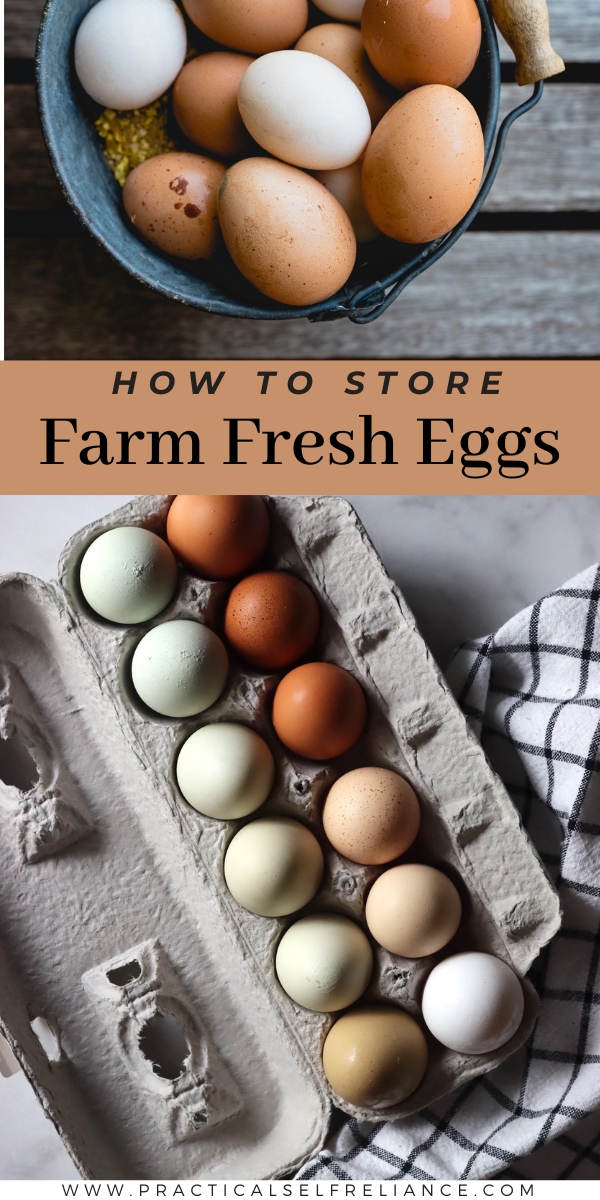
Credit: practicalselfreliance.com
Proper Refrigeration Tips
Proper refrigeration is key to keeping fresh eggs safe and tasty. It’s not just about tossing eggs into any part of the fridge. Knowing the right temperature, where to place your eggs, and what to avoid can make a big difference in how long they last and how fresh they stay.
Ideal Temperature Settings
Eggs stay best at a steady temperature between 33°F and 40°F (about 1°C to 4°C). Temperatures above this can speed up bacterial growth, while freezing can ruin the texture.
Think about your fridge’s thermostat—do you know where it’s set? A quick check with a fridge thermometer can save you from guessing and keep your eggs fresh longer.
Best Storage Location In Fridge
Many people put eggs in the fridge door, but this isn’t the best spot. The door temperature fluctuates every time you open it, which can harm your eggs.
Store eggs on a middle or lower shelf inside the main fridge compartment. This area keeps a more consistent temperature and protects eggs from strong odors.
Avoiding Common Mistakes
- Don’t wash eggs before storing:Washing removes the protective bloom, making eggs more vulnerable to bacteria.
- Avoid storing eggs near strong-smelling foods:Eggs can absorb odors, which changes their taste.
- Keep eggs in their original carton:The carton helps protect eggs and prevents moisture loss.
Have you ever cracked an egg only to find it smells off? These simple storage habits can prevent that unpleasant surprise and keep your meals safe.
Signs Eggs Are No Longer Fresh
Knowing the signs that eggs are no longer fresh helps avoid health risks. Fresh eggs have a firm yolk and clear egg white. Over time, eggs lose quality and may become unsafe to eat. Identifying spoilage early protects you and your family.
Visual And Smell Checks
Check the eggshell for cracks or slimy texture. A dirty or powdery shell may mean mold. Fresh eggs have no strong smell. A rotten egg has a sharp, sulfur-like odor. Always trust your nose before cooking.
Float Test Method
Fill a bowl with cold water and gently place the egg inside. Fresh eggs sink and lay flat on the bottom. Older eggs stand upright or float. Floating means air has entered, and the egg is not fresh. Use this simple test to decide if eggs need refrigeration or disposal.
Alternative Egg Storage Methods
Fresh eggs don’t always need to go straight into the fridge. Understanding alternative storage methods can help you keep eggs safe and tasty, especially if refrigeration isn’t an option. These approaches can extend freshness and suit different kitchen setups or cultural practices.
Room Temperature Storage
Eggs can stay fresh at room temperature for about a week, depending on how fresh they were when you got them. Keep them in a cool, dry spot away from direct sunlight and strong odors. Using an egg carton helps protect them and prevents moisture loss.
Have you ever noticed that some countries don’t refrigerate eggs? This is often because their eggs are not washed, so the natural protective coating remains intact. If your eggs are washed, refrigeration is safer to prevent bacteria growth.
Preserving Eggs Without Refrigeration
If you need to store eggs longer without a fridge, try methods like coating them in mineral oil or storing them in a salt or water solution. Applying a thin layer of mineral oil seals the shell’s pores, reducing moisture loss and slowing bacteria entry.
- Mineral oil coating:Lightly brush the eggs with food-grade mineral oil before storing in a cool place.
- Salt preservation:Bury eggs in a container filled with dry salt to create a stable, dry environment.
- Water glass solution:Soak eggs in a solution of sodium silicate and water; this method can keep eggs fresh for months.
These techniques take a bit more effort but can be very effective. Have you tried any of these at home? They’re a great way to keep eggs fresh if you don’t have reliable refrigeration.

Credit: www.tasteofhome.com
Frequently Asked Questions
When Should Fresh Eggs Be Refrigerated?
Fresh eggs should be refrigerated if they are washed or you live in a warm climate. Refrigeration slows bacterial growth and keeps eggs fresh longer, typically up to 3-5 weeks. Unwashed eggs with their natural bloom can be stored at room temperature for about two weeks.
Can Fresh Eggs Be Stored At Room Temperature?
Yes, fresh eggs with intact shells and natural bloom can stay at room temperature safely for up to two weeks. Beyond this, refrigeration is recommended to maintain freshness and reduce the risk of bacteria. Always keep eggs away from direct sunlight and heat.
Why Do Some Countries Refrigerate Eggs And Others Don’t?
Countries refrigerate eggs based on food safety regulations and handling practices. In the US, eggs are washed, removing protective coating, so refrigeration is necessary. In Europe, eggs aren’t washed, preserving the natural bloom, allowing safe room temperature storage for several weeks.
How Does Washing Affect Egg Refrigeration Needs?
Washing eggs removes the protective bloom, making them porous to bacteria. This increases the need for refrigeration to prevent contamination and spoilage. Unwashed eggs retain their natural coating, allowing safe storage outside the fridge for a short period.
Conclusion
Fresh eggs last longer when stored properly. Keep them in the fridge if unsure. Room temperature can work briefly but not for long. Cold slows down bacteria growth and keeps eggs fresh. Always check eggs for cracks before storing. Use eggs quickly if left out too long.
Remember, safe storage means better taste and health. Simple care helps eggs stay fresh and safe to eat. Store eggs right to enjoy them at their best.