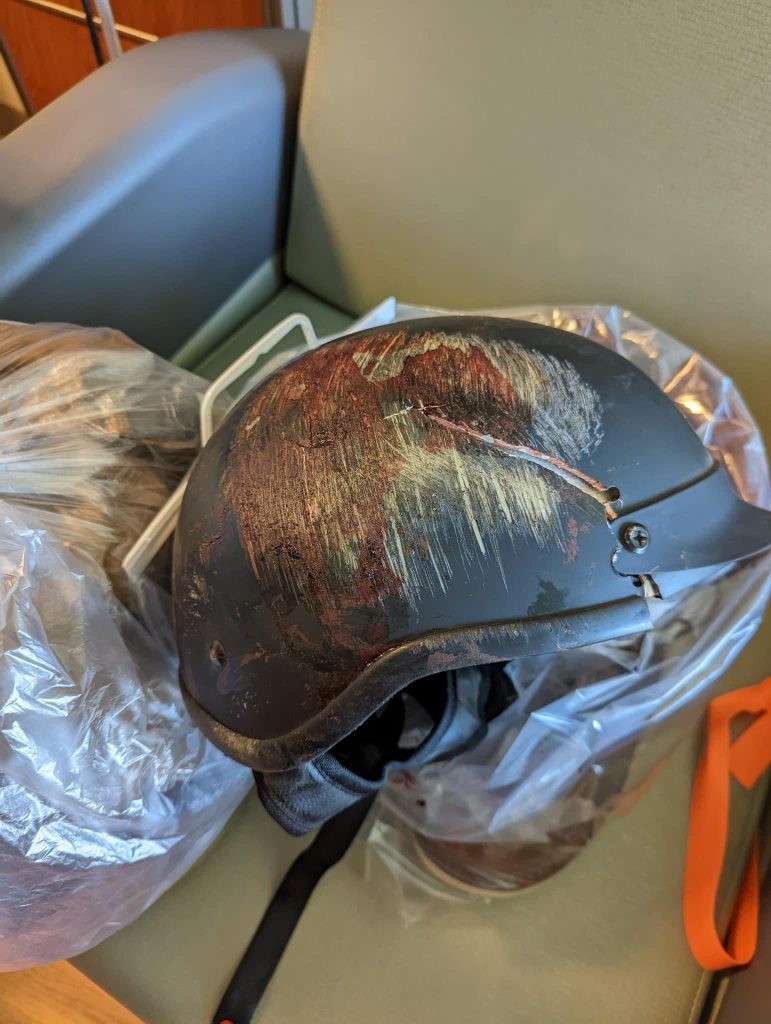
Your bike helmet is your best friend on every ride. But do you know when it’s time to replace it?
Using an old or damaged helmet can put your safety at serious risk, even if it looks fine on the outside. You’ll discover clear signs that tell you when your helmet is no longer reliable. Keep reading to protect yourself and enjoy every ride with confidence.
Your safety is worth it.
Signs Your Helmet Needs Replacing
Bike helmets protect your head during accidents. They wear out over time and after impacts. Knowing when to replace your helmet keeps you safe on every ride.
Look for clear signs of damage or wear. These signs tell you if the helmet can no longer protect you well. Check your helmet often for these warning signals.
Visible Cracks And Damage
Cracks or dents on your helmet’s shell or foam mean it is no longer safe. Even small damage can reduce protection. If you see any damage, replace the helmet immediately.
- Look for cracks on the outer shell
- Check for dents or compression in the foam
- Inspect straps and buckles for tears or breaks
- Notice any loose or missing padding inside
Helmet Age And Wear
Helmets lose strength over time. Materials break down with use and sun exposure. Most experts suggest replacing helmets every five years or less.
| Helmet Age | Replacement Advice |
| Less than 3 years | Check for damage regularly |
| 3 to 5 years | Consider replacing soon |
| More than 5 years | Replace helmet regardless of condition |
Impact History
Helmets are designed to absorb one major impact. After a crash, even if it looks fine, the helmet may be damaged inside. Replace helmets after any strong impact.
Signs that a helmet has been impacted:
- Sudden hard hit or crash
- Visible dents or cracks after impact
- Helmet feels softer or different in spots
- Straps or padding feel loose or damaged

Credit: www.news4jax.com
Helmet Lifespan Guidelines
Bike helmets protect your head during accidents. Knowing when to replace them keeps you safe.
Helmets wear out over time. This guide explains how to tell if your helmet is still good.
Manufacturer Recommendations
Most helmet makers say to replace a helmet every five years. The exact time depends on use and care.
- Check the label inside your helmet for replacement advice.
- Replace after any crash, even if no damage shows.
- Store helmets away from heat and sunlight.
- Replace if you see cracks or dents.
Material Degradation Over Time
Helmet materials break down from sun, sweat, and weather. This makes them less safe.
| Material | Effect of Aging | Replacement Warning Signs |
| Expanded Polystyrene Foam | Becomes brittle and cracks | Visible cracks or crumbles |
| Plastic Shell | Fades and weakens | Discoloration or deformation |
| Straps and Buckles | Fray and lose strength | Frayed straps or broken buckles |
Risks Of Using An Old Helmet
Old bike helmets might not protect your head well. They wear out over time and lose their strength.
Wearing an outdated helmet can increase your risk of injury. It’s important to understand why replacing it is crucial.
Reduced Protection Efficiency
Helmets are made to absorb shock and reduce head injuries. As they age, their materials weaken.
- Foam inside gets brittle and less effective
- Outer shell can crack or warp
- Straps may lose their elasticity
Increased Injury Risk
Using an old helmet can lead to more serious injuries. It might not cushion impacts as well.
| Helmet Age | Risk Level |
| 0-3 years | Low |
| 3-5 years | Medium |
| 5+ years | High |

Credit: road.cc
Choosing A New Helmet
Replacing your bike helmet is important for safety. A new helmet keeps your head protected during rides.
Choosing the right helmet means thinking about fit, safety, and useful features. This guide helps you pick the best one.
Proper Fit And Comfort
Your helmet must fit snugly without feeling tight. A good fit stops the helmet from moving in a crash.
Look for adjustable straps and padding. These help make the helmet comfortable for long rides.
- Measure your head size before buying
- Try the helmet on and adjust straps
- Check for pressure spots or loose areas
- Choose padding that feels soft yet firm
Safety Certifications To Look For
Safety certifications show that a helmet meets certain tests. These tests prove the helmet protects your head well.
Common certifications include CPSC, ASTM, and Snell. Always check the label before buying a helmet.
- CPSC: Required in the United States for bike helmets
- ASTM: Covers various sports helmets
- Snell: A strict safety testing standard
Features That Enhance Safety
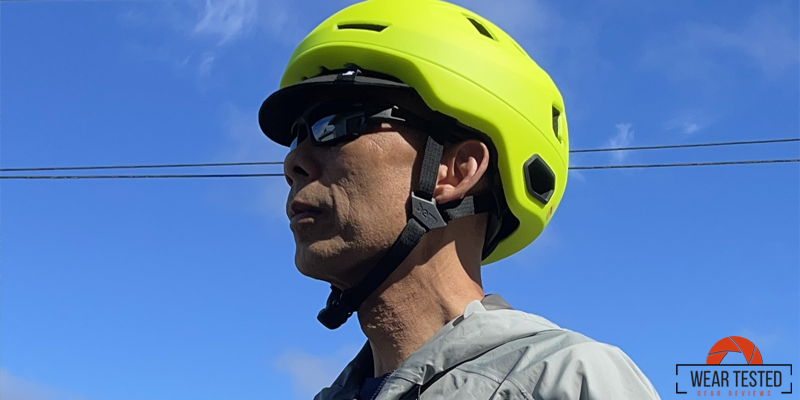
Extra features can improve your safety while riding. Look for helmets with reflective elements or built-in lights.
Ventilation helps keep your head cool. Some helmets have MIPS technology to reduce brain injury risk.
- Reflective stickers or bright colors increase visibility
- Good ventilation prevents overheating
- MIPS reduces rotational forces in crashes
- Visors protect your eyes from sun and rain
Maintenance Tips To Extend Helmet Life
Your bike helmet protects your head from injuries. Taking care of it helps keep it strong and safe.
Regular maintenance can make your helmet last longer. It keeps the materials from breaking down.
Cleaning And Storage
Clean your helmet often to remove dirt and sweat. Use mild soap and warm water to wash it gently.
Do not use strong chemicals or rough brushes. These can damage the helmet’s surface and padding.
- Use a soft cloth or sponge
- Rinse thoroughly with water
- Let the helmet air dry away from heat
Store your helmet in a cool, dry place. Keep it away from direct sunlight and heat sources.
Avoiding Exposure To Harsh Elements
Harsh elements can weaken your helmet. Avoid leaving it in hot cars or under the sun for long times.
Keep your helmet away from chemicals like gasoline or cleaning solvents. These can break down helmet materials.
- Do not expose helmet to extreme heat or cold
- Avoid contact with oils and solvents
- Keep helmet out of rain and moisture when possible
Credit: bernhelmets.com
Frequently Asked Questions
How Often Should I Replace My Bike Helmet?
Replace your bike helmet every 3 to 5 years. Over time, materials degrade, reducing protection. Also, replace it immediately after any crash or impact, even if no damage is visible.
Can A Helmet Be Used After A Crash?
No, always replace a helmet after a crash. Impact can cause invisible damage that weakens safety. Wearing a compromised helmet increases injury risk.
Does Helmet Age Affect Its Safety?
Yes, helmet age affects safety. Foam and straps degrade with time, lowering impact absorption. Regular replacement ensures optimal protection during rides.
Are Visible Damages The Only Sign To Replace A Helmet?
No, invisible damages matter too. Internal foam can crack without visible signs. Replace helmets after impacts or as per manufacturer’s timeline.
Conclusion
Bike helmets protect your head and save lives. Replace your helmet every few years or after a crash. Cracks, dents, or worn straps mean it’s time for a new one. Don’t take risks with old helmets. Stay safe by choosing a fresh, sturdy helmet.
Your head will thank you. Safety matters most on every ride.