Your microwave oven is a kitchen hero, tirelessly heating leftovers, popping popcorn, and speeding up meal prep. But how do you know when it’s time to retire this trusty appliance?
Is it when it starts making unusual noises, or when your food isn’t heating evenly? Maybe it’s when the buttons stick, or the door doesn’t close quite right? Understanding when to replace your microwave can save you from inconvenience, potential safety hazards, and even extra electricity costs.
You’ll discover the tell-tale signs that indicate it’s time for a new microwave, helping you make an informed decision that ensures your kitchen runs smoothly. Get ready to learn how to keep your culinary life efficient and safe!
Common Microwave Problems
Microwaves are useful kitchen tools but can develop issues over time. Recognizing common problems helps decide if replacement is needed. Some problems affect safety, others reduce performance.
Unusual Noises
Microwaves usually make a humming sound when operating. Loud grinding, buzzing, or rattling noises indicate mechanical or electrical issues. These sounds might come from the turntable motor or magnetron. Ignoring strange noises can lead to bigger problems.
Inconsistent Heating
Food should heat evenly in a microwave. If food is hot in some spots and cold in others, the microwave may have a failing magnetron or damaged waveguide. This problem reduces cooking efficiency and wastes energy.
Sparking Inside
Sparks inside a microwave are dangerous. They can occur due to metal objects, damaged interior walls, or a faulty waveguide cover. Sparking can cause fires or permanent damage. Stop using the microwave immediately if sparks appear.
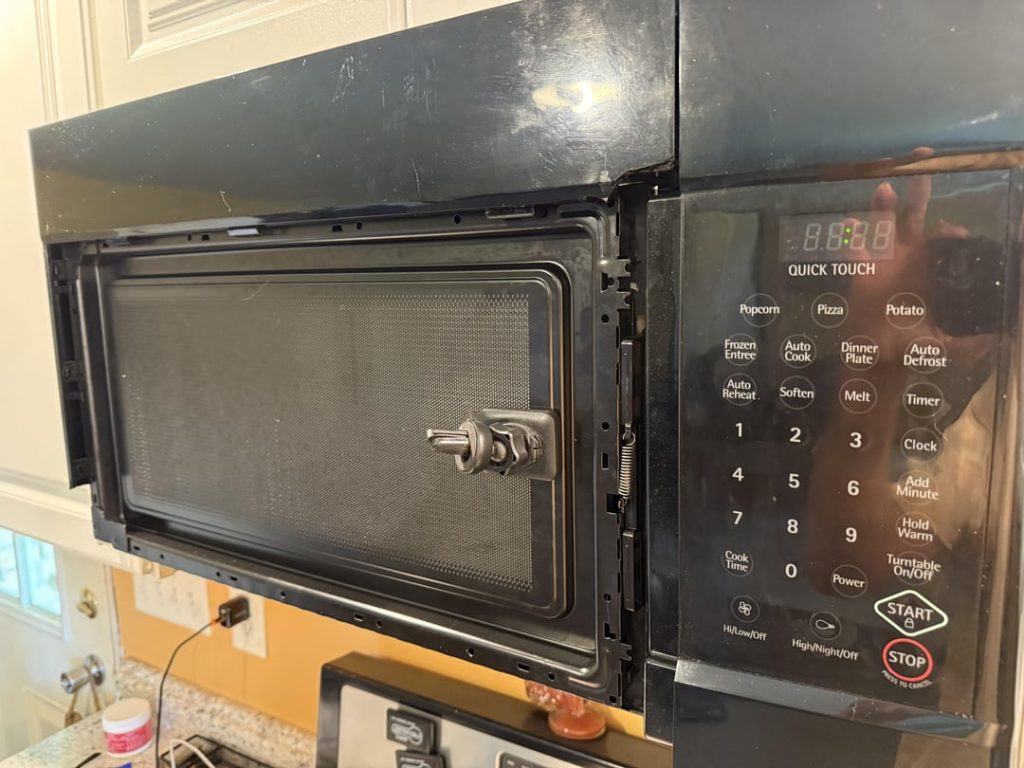
Door Seal Issues
The door seal keeps microwave energy inside. A broken or worn door seal allows radiation to escape, posing health risks. It also lowers cooking performance. Check for cracks, gaps, or loose seals. Replace the microwave if the door seal is damaged.

Credit: smartapplianceservices.com
Microwave Age And Lifespan
Understanding the age and lifespan of a microwave helps decide its replacement time. Microwaves do not last forever. Knowing their typical lifespan and signs of wear can save money and ensure safety. Let’s explore key factors affecting microwave longevity.
Average Microwave Lifespan
Most microwaves last between 7 and 10 years. This depends on brand and model quality. Basic units may fail sooner. High-end models might work well beyond a decade. Regular maintenance can also extend life.
Impact Of Usage Frequency
Microwaves used daily wear out faster. Heavy use strains internal parts and electronics. Light users may find their microwave lasts longer. Frequent heating cycles increase the chance of breakdowns.
Signs Of Aging Components
Look for these signs to identify old microwaves:
- Unusual noises during operation
- Uneven heating or cold spots
- Door latch problems
- Display or control panel failures
- Visible rust or damage inside
Such issues often indicate worn parts and possible safety risks. Repair costs might outweigh buying new.
Safety Concerns
Microwave ovens are a kitchen staple, but ignoring safety concerns can put you and your home at risk. Recognizing when your microwave poses a danger is crucial to avoid accidents. Let’s look at key safety issues that signal it’s time for a replacement.
Electrical Hazards
Frayed cords, sparks, or frequent tripping of your circuit breaker are red flags. These signs indicate internal wiring problems that can cause electric shocks or short circuits. Have you noticed any unusual smells or burning sounds when your microwave runs? These should never be ignored.
Using a microwave with electrical issues is risky. It’s safer to replace it than to repair if the cost is high or the appliance is old. Your safety should always come before saving a few dollars.
Radiation Leakage Risks
Microwaves emit low-level radiation to heat food, but damaged seals or door hinges can cause leakage. This leakage isn’t something you can see or smell, making it a hidden risk. Testing kits are available, but if your microwave is old or the door doesn’t close tightly, replacement is the best choice.
Consider this: how often do you check the condition of your microwave door? Ignoring small cracks or warping can lead to radiation escaping, which might affect your health over time. Don’t wait for visible damage to act.
Fire Hazards
Older microwaves can overheat or cause electrical fires, especially if used improperly or if internal parts wear out. Smelling something burning or seeing smoke should trigger immediate action. Even burnt popcorn can be a warning sign if it happens repeatedly.
Have you ever seen a microwave spark or catch fire? These incidents mean it’s time to stop using the appliance immediately. Fire hazards are serious and can be prevented by timely replacement and regular maintenance.
Cost Of Repairs Vs Replacement
Deciding between repairing a microwave and buying a new one depends largely on the costs involved. Repair expenses can add up quickly and sometimes match the price of a new microwave. Understanding these costs helps make a smart choice. Assessing repair costs alongside the benefits of a new appliance can save money and stress.
Common Repair Costs
- Replacing a magnetron: $80 to $200
- Fixing a door switch: $50 to $120
- Replacing a capacitor or diode: $40 to $100
- Fixing control panel or touchpad: $50 to $150
- Labor fees: $50 to $100 per hour
These costs vary by model and technician rates. Sometimes, parts alone cost half or more of a new microwave.
When Repairs Aren’t Worth It
- Repair costs reach 50% or more of a new microwave
- Microwave is over 7-10 years old
- Repeated breakdowns occur shortly after repairs
- Parts are hard to find or obsolete
- Energy efficiency is low compared to new models
These signs suggest replacing is often the better choice. Old microwaves may waste energy and raise electricity bills.
Benefits Of A New Microwave
- Improved energy efficiency saves money
- Latest safety features protect users
- Advanced cooking functions enhance convenience
- Warranty covers repairs and replacements
- Modern designs fit well in kitchens
New microwaves often cost less to operate and last longer. They provide better value over time.
Energy Efficiency Considerations
Energy efficiency is a key factor to consider when deciding if it’s time to replace your microwave oven. Older units often use more power and waste energy, which can quietly inflate your electricity bills. Understanding the differences between old and new models will help you make a smarter choice that benefits both your wallet and the environment.
Older Models Vs Newer Models
Older microwave ovens tend to be less energy efficient because they were built with outdated technology. They use more electricity to heat food and often have longer cooking times. Newer models come with improved power management and smart sensors that adjust cooking time, saving energy without sacrificing performance.
Think about your microwave at home—if it feels sluggish or overheats quickly, it might be using more energy than necessary. Upgrading to a newer model can reduce your energy use by up to 30%, according to some appliance studies.
Impact On Electricity Bills
While a microwave might not seem like a big energy consumer compared to heating or cooling systems, inefficient models can add noticeable costs over time. Running an older microwave several times a day can lead to higher monthly bills. New microwaves often have eco-modes or standby settings that cut down power consumption when not in use.
Have you ever checked how much your appliances add to your monthly electric bill? Swapping out your old microwave could be a simple way to trim those expenses. Over a year, this small change can save you enough to cover part of the new appliance’s cost.
Environmental Benefits
Choosing an energy-efficient microwave helps reduce your household’s carbon footprint. Using less electricity means fewer fossil fuels burned by power plants, which lowers greenhouse gas emissions. Additionally, many new microwaves are made with eco-friendly materials and designed for easier recycling.
Imagine the impact if more people replaced old, inefficient appliances with greener options. Your decision to upgrade could be a step toward a cleaner planet. What if everyone in your neighborhood made this change?

Credit: danmarcappliance.com
Signs Of Obsolescence
Microwave ovens can become outdated over time. Signs of obsolescence show when the appliance no longer meets your needs. Recognizing these signs helps decide the right time for replacement. It saves you from poor performance and wasted energy.
Missing Modern Features
Older microwaves often lack features found in new models. Touch controls, sensor cooking, and preset menus are common today. Without these, cooking can take longer and be less precise. Energy-saving modes and child locks also improve safety and efficiency. Missing these features means the microwave is falling behind current standards.
Compatibility Issues
New kitchen appliances often work together for convenience. Old microwaves may not connect with smart home systems or apps. This limits your control over cooking settings remotely. Also, power requirements and sizes may differ. Such issues make an old microwave less practical in a modern kitchen.
Frequent Breakdowns
Repeated repairs indicate the microwave is wearing out. Broken buttons, strange noises, or uneven heating are warning signs. Repair costs can add up quickly and exceed replacement price. Frequent breakdowns disrupt daily routines and cause frustration. A reliable microwave is essential for smooth kitchen operation.
Choosing A Replacement Microwave
Choosing a replacement microwave can feel overwhelming with so many options available. You want something that fits your kitchen space, meets your cooking needs, and stays within your budget. Understanding the types of microwaves, the features that matter, and how to budget can make your decision easier and more satisfying.
Types Of Microwaves
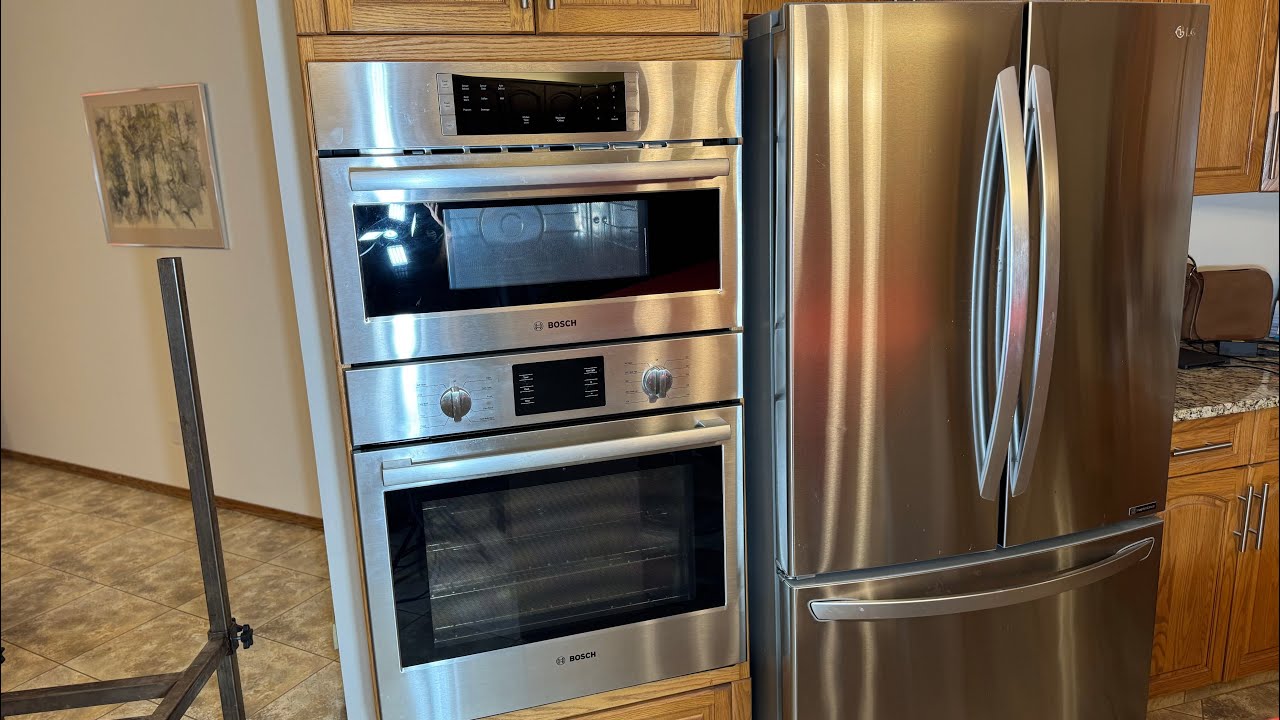
Microwaves come in several styles, each designed for different uses and kitchen layouts. Countertop models are the most common and easiest to install—just plug and play. If you want to save counter space, consider an over-the-range microwave, which doubles as a vent hood.
Built-in microwaves offer a sleek, integrated look but usually require professional installation. You might also find compact microwaves ideal for small kitchens or dorm rooms. Think about your kitchen setup and how you plan to use the microwave daily before choosing a type.
Key Features To Look For
Not all microwaves are created equal, so focus on features that will enhance your cooking experience. Power wattage is critical—higher wattage means faster and more even cooking. Look for at least 900 watts for reliable performance.
Sensor cooking is a handy feature that adjusts cooking time automatically based on the food’s moisture. Easy-to-clean interiors and turntables that can be removed also save you time. Don’t forget to check if the controls are intuitive; complicated buttons can turn a simple task into a hassle.
Budgeting Tips
Microwaves range from under $50 to over $500, so setting a budget upfront helps narrow your choices. Think about what features you truly need versus nice-to-have extras. Spending a bit more on a reliable brand can save money on repairs or replacements down the line.
Look for sales around holidays or major shopping events to get the best deals. Reading customer reviews can also highlight products that offer great value for your money. Have you considered how often you use your microwave and what you expect it to do? That can guide how much you should invest.
Credit: www.youtube.com
Frequently Asked Questions
When Should I Replace My Microwave Oven?
Replace your microwave if it no longer heats food well, makes strange noises, or has visible damage. Frequent malfunctions and safety concerns also signal it’s time for a new one.
How Long Does A Microwave Typically Last?
Most microwaves last about 7 to 10 years with regular use. Proper maintenance can extend its life, but performance usually declines after this period.
What Are Signs A Microwave Is Failing?
Signs include uneven heating, unusual noises, sparks, and a burning smell. These indicate internal problems that can compromise safety and efficiency.
Is It Worth Repairing An Old Microwave?
Repair costs often approach the price of a new microwave. If your microwave is over 7 years old, replacement is usually more cost-effective.
Conclusion
A microwave oven shows signs when it needs replacement. Strange noises, uneven heating, or sparks are warnings. Older models may use more electricity and cost more. Safety matters most—cracks or broken doors can be risky. Consider how often you use your microwave daily.
Sometimes, fixing is cheaper, but new ones offer better features. Trust your gut feeling about its performance. Replacing at the right time saves money and stress. Keep your kitchen safe and your meals quick. Choose wisely for comfort and convenience in cooking.