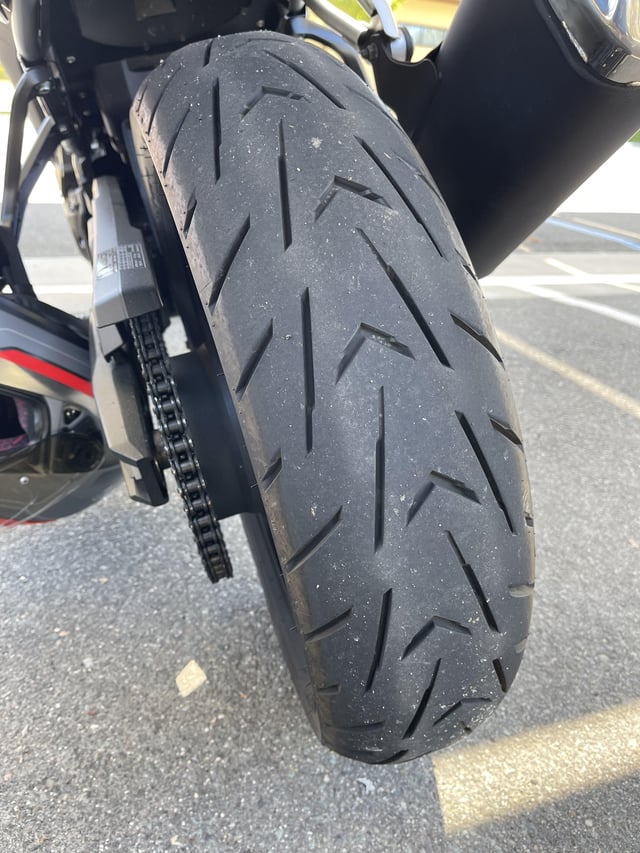
Your motorcycle tire is the only part that touches the road. That means its condition directly affects your safety and riding experience.
But how do you know when it’s time to replace your tire? If you keep riding on worn-out tires, you risk losing control or facing unexpected breakdowns. You’ll discover the clear signs to watch for and simple steps to take so you never miss the moment to change your motorcycle tire.
Keep reading to protect yourself and get the most out of every ride.

Credit: www.reddit.com
Tread Depth And Wear
Motorcycle tires wear down with use. Checking tread depth helps keep you safe on the road.
Worn tires lose grip and can cause accidents. Knowing when to replace them is very important.
Minimum Tread Requirements
Most places require at least 1/32 to 2/32 inch of tread on motorcycle tires.
Check your local laws to know the exact minimum tread depth allowed.
- Below minimum depth means the tire is unsafe.
- Replace tires before they reach this limit.
- Tires with too little tread increase stopping distance.
Visual Signs Of Tread Wear
Look at your tire to spot signs of wear beyond just tread depth.
Cracks, bald spots, and uneven wear show the tire needs replacing.
- Tread wear bars: Raised lines across the tread show wear level.
- Flat areas on the tire mean uneven wear.
- Cracks or cuts on the tire surface weaken it.
Using A Tread Depth Gauge
A tread depth gauge measures how much tread is left on your tire.
Place the gauge in the tire grooves to get an accurate reading.
- Insert the gauge into the deepest tread groove.
- Read the measurement on the gauge scale.
- Compare the number to minimum tread requirements.
- Replace the tire if measurement is below the safe limit.
Cracks And Dry Rot
Motorcycle tires can develop cracks and dry rot over time. These issues weaken the tire and can cause dangerous riding conditions.
Knowing when to replace your tire is important to stay safe on the road. This guide helps you spot cracks and dry rot early.
Causes Of Tire Cracking
Tire cracking happens because of heat, sunlight, and age. These factors dry out the rubber and make it brittle.
Riding on rough roads or low tire pressure can also cause cracks. Chemicals like oils and solvents may damage the tire surface too.
- Exposure to UV light from the sun
- Ozone in the air breaking down rubber
- High or low temperatures
- Improper tire inflation
- Contact with oils and chemicals
Identifying Dry Rot On Tires
Dry rot makes the tire surface look cracked and faded. The rubber feels hard and less flexible than new tires.
Check the sidewalls and tread for small cracks. If you see many cracks or chunks of rubber missing, the tire is dry rotted.
- Surface cracks that look like spider webs
- Faded or discolored rubber
- Rubber feels dry and brittle
- Chunks or flakes of rubber coming off
Risks Of Riding On Cracked Tires
Cracked tires can fail while riding. This can cause loss of control and serious accidents.
Cracks let air escape, leading to flat tires or blowouts. Dry rot weakens the tire’s strength and grip on the road.
- Increased chance of tire blowout
- Poor traction and handling
- Risk of sudden air loss
- Reduced tire lifespan
- Possible accidents and injuries
Uneven Tire Wear
Uneven tire wear affects how well your motorcycle rides and handles. It can cause safety risks and reduce tire life.
Understanding the causes and signs of uneven wear helps you decide when to replace a tire. This keeps your motorcycle safe and smooth on the road.
Common Patterns Of Uneven Wear
Tires wear unevenly in different ways. Each pattern shows a possible problem with your motorcycle or tire.
- Center Wear:The tire’s center tread is worn more than the edges. This often means over-inflation.
- Edge Wear:The tire edges wear faster than the center. This usually shows under-inflation.
- Cupping:The tread has high and low spots, like cups. This can mean suspension issues.
- Feathering:The tread blocks feel smooth on one side and sharp on the other. This suggests alignment problems.
Impact Of Suspension And Alignment
The suspension and wheel alignment affect tire wear a lot. Bad suspension lets the tire bounce, causing cupping.
Misaligned wheels make the tire wear uneven or cause feathering. Both issues shorten tire life and affect handling.
| Cause | Wear Pattern | Effect |
| Over-inflation | Center Wear | Less grip, faster center wear |
| Under-inflation | Edge Wear | More rolling resistance, heat build-up |
| Suspension Problems | Cupping | Rough ride, noise, poor control |
| Wheel Misalignment | Feathering | Uneven grip, handling issues |
When To Replace Based On Wear Patterns
Check your tires often for uneven wear signs. Replace them if the wear affects safety or performance.
- Replace tires if tread depth is below 2/32 inch in any worn area.
- Replace if cupping or feathering causes vibration or poor handling.
- Replace if edges or center wear reduces traction significantly.
- Replace tires showing cracks or damage along with uneven wear.

Credit: www.reddit.com
Visible Damage And Deformities
Motorcycle tires must be checked often for visible damage. Damage can make riding unsafe.
Look closely for cuts, punctures, bulges, and sidewall problems. Replace tires if you see damage.
Cuts, Punctures, And Bulges
Cuts on tires can go deep and weaken the tire structure. Even small cuts can grow worse over time.
Punctures cause air leaks and can be dangerous if not fixed right. Some punctures can be repaired, but many require tire replacement.
Bulges appear when the tire’s internal layers break. Bulges show the tire is weak and can blow out suddenly.
- Replace tires with large or deep cuts
- Inspect punctures carefully; replace if repair is unsafe
- Never ride on tires with bulges
Sidewall Damage Concerns
The tire sidewall is thin and very important for strength. Damage here is risky and often means the tire must be replaced.
Sidewall damage includes cracks, cuts, or bubbles. These can cause sudden tire failure while riding.
- Check sidewalls for any visible cracks or cuts
- Avoid riding if you see bubbles or deformities on sidewalls
- Sidewall damage usually cannot be repaired safely
Handling Tire Damage Safely
Do not ignore any visible damage. Riding on a damaged tire puts you at risk of accidents.
Replace tires immediately if damage is serious. If unsure, ask a professional to inspect the tire.
- Stop using the tire if you see cuts, bulges, or sidewall damage
- Use a proper repair kit only for minor punctures
- Regularly check tires to find damage early
- Always keep a spare tire if you ride long distances
Age And Mileage Factors
Motorcycle tires wear out over time and use. Age and mileage both affect tire safety and performance. Knowing when to replace them is important.
Old or worn tires can cause accidents. Riders should check tires regularly for signs of damage or wear.
Recommended Tire Lifespan
Most motorcycle tires last about five years from the manufacturing date. Even if the tire looks fine, age weakens the rubber.
Storing tires in hot or sunny places can shorten their life. Check the tire’s date code to find its age.
- Tires over five years old should be replaced.
- Inspect tires yearly for cracks or dry rot.
- Replace tires sooner if you see damage or heavy wear.
Effects Of Old Tires On Performance
Old tires lose grip and become less flexible. This reduces traction and handling on the road.
Worn tires increase stopping distance and risk of slipping. They can cause vibrations or uneven rides too.
- Reduced traction on wet or dry roads
- Harder to control the motorcycle
- Higher chance of tire failure or blowouts
- Less comfort due to vibrations
Mileage Guidelines For Replacement
Tire mileage varies by type, road conditions, and riding style. Most tires last between 3,000 and 15,000 miles.
Check the tire tread depth regularly. Replace tires when tread wears down to 1/32 inch or less.
- Sport tires: 3,000 to 5,000 miles
- Touring tires: 8,000 to 15,000 miles
- Off-road tires: 6,000 to 10,000 miles
- Replace tires if tread is uneven or damaged

Credit: www.youtube.com
Performance Changes
Your motorcycle tire affects how well you ride. Over time, tires wear out and change performance.
Knowing when to replace tires helps keep you safe and improves your ride quality.
Reduced Grip And Handling
Worn tires lose their grip on the road. This makes it harder to control your motorcycle.
Turning and stopping become less precise. The bike may feel unstable or slide more.
- Longer stopping distances
- Less confidence in corners
- More slipping on rough surfaces
Increased Risk Of Hydroplaning
Old tires have shallow treads that do not clear water well. This raises the chance of hydroplaning.
Hydroplaning means losing contact with the road on wet surfaces. It can cause sudden loss of control.
- Reduced water drainage
- Slippery feeling in rain
- Sudden wheel spin on wet roads
Signs Noticed While Riding
Watch for changes in how your motorcycle feels. These signs show your tires may need replacing.
Feeling vibrations, wobbling, or pulling to one side can mean worn tires. Also, check for cracks or bald spots.
- Vibrations at normal speeds
- Pulling during braking or riding
- Visible tire damage or wear
- Less stable feeling in corners
Maintenance Tips To Extend Tire Life
Motorcycle tires wear down over time and need to be replaced. Taking care of your tires can make them last longer. Good maintenance keeps you safe and saves money.
Follow simple tips to check and care for your tires. This helps you spot problems early. Proper care means better grip and smoother rides.
Proper Inflation Techniques
Keep your tires at the right pressure. Check the pressure when tires are cold. Use a quality gauge to get accurate readings.
Do not overinflate or underinflate tires. Too much pressure can cause uneven wear. Too little pressure makes the tire wear faster and can be unsafe.
- Check tire pressure weekly
- Follow the motorcycle manual for pressure levels
- Adjust pressure before long rides or heavy loads
Regular Tire Inspections
Look over your tires often for cracks, cuts, or objects stuck in the tread. Small problems can become big if you ignore them.
Check the tread depth to make sure tires have enough grip. Replace tires if the tread is too shallow or worn unevenly.
- Inspect tires before every ride
- Look for signs of damage or wear
- Use a tread depth gauge to measure tread
Balancing And Rotation Practices
Keep your tires balanced to avoid vibration and uneven wear. Unbalanced tires can make riding uncomfortable and unsafe.
Rotate tires if your motorcycle model allows it. This helps tires wear evenly and last longer.
- Have tires balanced when installed or if vibration occurs
- Ask a professional about rotation options
- Balance tires after repairs or puncture fixes
Frequently Asked Questions
How Often Should Motorcycle Tires Be Replaced?
Motorcycle tires should be replaced every 5,000 to 10,000 miles. This depends on riding conditions and maintenance. Regular checks for tread wear, cracks, and damage are essential. Replace tires if tread depth is below the recommended limit. Proper tire maintenance ensures safety and optimal performance on the road.
What Are Signs Of Worn Motorcycle Tires?
Signs of worn motorcycle tires include visible tread wear, cracks, and uneven wear patterns. If you notice reduced traction or handling issues, it’s time to inspect your tires. Regularly check for embedded objects and tire pressure. Replacing worn tires promptly ensures safety and enhances the riding experience.
Can Weather Affect Motorcycle Tire Lifespan?
Yes, weather can significantly impact motorcycle tire lifespan. Extreme temperatures and UV exposure can cause rubber deterioration. Riding in wet or icy conditions can accelerate wear. Store your motorcycle in a cool, dry place and regularly inspect tires for damage.
Proper care extends tire lifespan and ensures safety.
Why Is Tire Tread Depth Important?
Tire tread depth is crucial for maintaining grip and traction. It helps channel water away, reducing the risk of hydroplaning. As tread wears down, handling and braking efficiency decrease. Regularly check tread depth to ensure it meets safety standards. Replace tires when tread is below the recommended limit.
Conclusion
Regular tire checks keep your ride safe and smooth. Worn tires reduce grip and increase accident risk. Replace tires when tread wears thin or damage appears. Don’t wait for a flat tire to change them. Proper tire care saves money and prevents problems.
Remember, good tires mean better control and comfort. Stay alert and inspect tires often for signs of wear. Your safety depends on your tires’ condition. Keep your motorcycle ready for every ride.