Baby bottles are important tools for feeding your little one. They help babies drink milk or formula easily. But, like many baby items, bottles do not last forever. Knowing when to replace baby bottles is very important. It keeps your baby safe and healthy.
Why Replace Baby Bottles?
Baby bottles can wear out over time. They can get cracks, scratches, or stains. These problems can cause germs to grow. Germs can make your baby sick. Also, old bottles may not work well.
When bottles are worn out, the nipple can get sticky or torn. This can cause milk to leak or flow too fast. This can upset your baby’s tummy. Using new bottles helps your baby feed well and stay healthy.
Signs It Is Time to Replace Baby Bottles
Here are some signs to watch for:
- Cracks or Chips: Check the bottle carefully. If you see any cracks or chips, replace it immediately.
- Cloudy or Discolored Bottles: Bottles that become cloudy or change color are old. They can hide germs and should be replaced.
- Scratches or Deep Marks: Scratches can trap bacteria. If the bottle has many scratches, it’s time for a new one.
- Worn Out Nipples: Nipples that are sticky, cracked, or torn must be replaced. They can cause leaks or choking risks.
- Milk Stains or Smells: If the bottle smells bad or has stains that don’t go away, replace it.
How Often Should You Replace Baby Bottles?
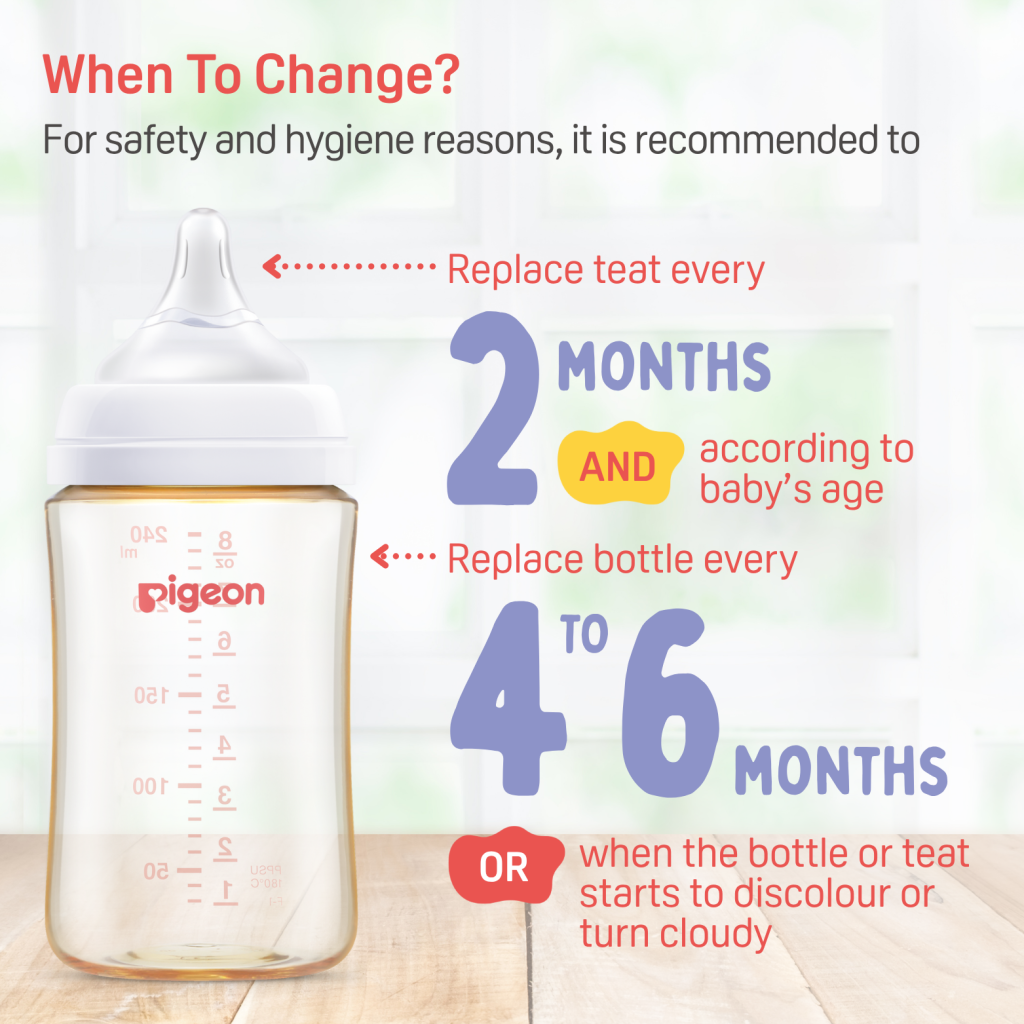
Experts say to replace baby bottles every 3 to 6 months. But this depends on how often you use them. Also, how you clean and care for bottles matters.
If you see any signs of damage before 3 months, change the bottle right away. Some parents replace nipples more often than bottles. This is good to keep feeding safe.
Table: Recommended Replacement Times
| Baby Bottle Part | Replace Every | Reason |
|---|---|---|
| Bottle | 3 to 6 months | Wear, cracks, and bacteria build-up |
| Nipple | 1 to 2 months | Wear, tears, and hygiene |
| Sealing Ring | Every feeding change or when damaged | Ensures leak-free feeding |
How to Check Baby Bottles for Damage
It is easy to check bottles for damage. Here is how:
- Look closely at the bottle for cracks or chips.
- Feel the nipple for sticky or rough spots.
- Check if the nipple has holes or tears.
- Smell the bottle to find bad odors.
- Make sure the bottle seals tightly with the ring.
Doing this after every wash helps keep bottles safe.
How to Take Care of Baby Bottles
Taking care of bottles can make them last longer. Here are some tips:
- Wash bottles right after use with warm, soapy water.
- Use a bottle brush to clean inside well.
- Rinse bottles well to remove soap.
- Sterilize bottles regularly by boiling or using a sterilizer.
- Dry bottles completely before storing them.
- Store bottles in a clean, dry place.
Good care helps prevent damage and bacteria growth.
Materials and Their Lifespan
Baby bottles come in different materials. Each lasts differently.
- Plastic Bottles: Light and cheap. Replace every 3 to 6 months.
- Glass Bottles: Heavy but last longer. Replace if broken or cracked.
- Silicone Bottles: Flexible and durable. Replace if damaged or stained.
Always follow the maker’s advice on when to replace bottles.
Why Not Use Old Bottles?
Using old bottles can be risky. Cracks and scratches hide germs. Germs can cause illness. Worn nipples can cause choking. Leaks can waste milk. Old bottles may break easily. New bottles keep feeding safe and easy.
Signs You Should Replace Nipples More Often
Nipples wear out faster than bottles. Watch these signs:
- Sticky or sticky feeling on the nipple.
- Small tears or holes that are too big.
- Milk flows too fast or too slow.
- Change in nipple shape or softness.
- Any strange smell or taste.
Change nipples every 1 to 2 months, or sooner if needed.

Credit: www.cherubbaby.com
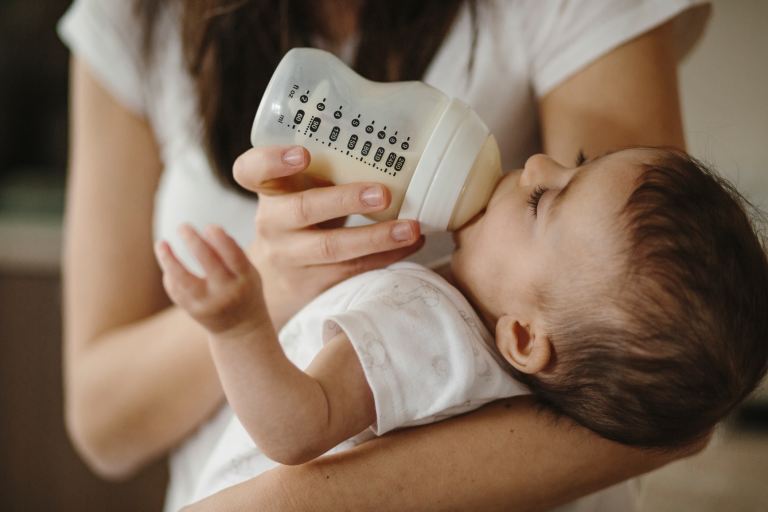
Safety Tips When Using Baby Bottles
- Always wash your hands before feeding.
- Use clean bottles and nipples every time.
- Check bottles and nipples before each feeding.
- Do not heat bottles in the microwave; use warm water instead.
- Throw away bottles or nipples that are damaged.
- Follow the instructions on bottle packaging.
Credit: www.babylist.com
Frequently Asked Questions
How Often Should Baby Bottles Be Replaced?
Replace baby bottles every 3 to 6 months or when signs of wear appear.
What Are Signs A Baby Bottle Needs Replacing?
Look for cracks, discoloration, or a sticky film on the bottle.
Can Old Baby Bottles Cause Health Problems?
Yes, worn bottles can harbor bacteria and cause illness.
Is It Safe To Reuse Scratched Baby Bottles?
Scratches can trap bacteria, so it’s safer to replace scratched bottles.
Conclusion
Baby bottles are important for your baby’s health. Replacing bottles and nipples at the right time keeps your baby safe. Check for cracks, stains, and damage often. Take good care of bottles to help them last longer. When in doubt, replace the bottle or nipple. It is better to be safe than sorry. Your baby will thank you for clean and safe feeding.