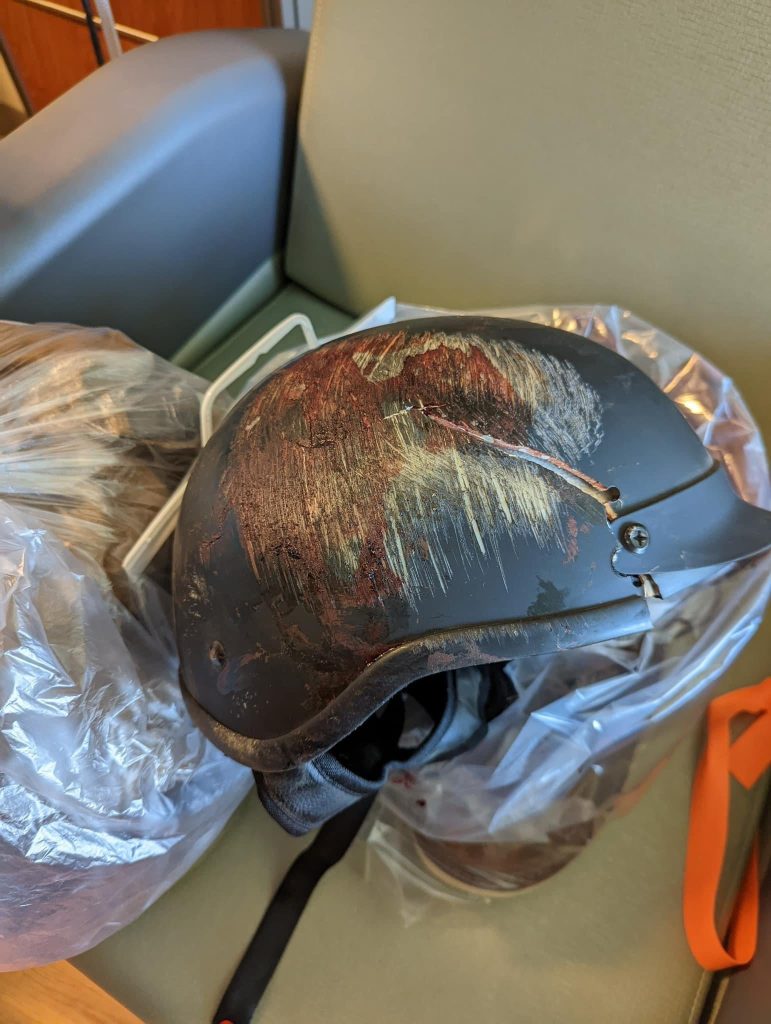
Your bike helmet is your most important safety gear. But do you know when it’s time to replace it?
Using an old or damaged helmet can put you at serious risk. You might think your helmet is still good, but unseen damage or wear could leave you unprotected when you need it most. You’ll learn the clear signs that tell you it’s time for a new helmet.
Keep reading to make sure your head stays safe every time you ride.

Credit: road.cc
Helmet Lifespan
Bike helmets protect your head during accidents. They lose strength after some years.
Knowing when to replace a helmet helps keep you safe on every ride.
Typical Expiration Period
Most bike helmets last about five years from the date of use. The exact time can vary.
Helmets used in crashes need replacement immediately, no matter their age.
- Usual helmet life is 3 to 5 years
- Check the manufacturer’s expiry date if available
- Replace after any impact or crash
Material Degradation Over Time
Helmet materials break down slowly due to sun, sweat, and weather. This weakens protection.
Foam inside the helmet loses its ability to absorb shocks after years of use.
- UV light damages outer shell and foam
- Sweat can weaken helmet straps and padding
- Heat causes foam to compress and lose shape
- Store helmets away from sun and heat to extend life
Credit: www.bikeradar.com
Signs Of Damage
Your bike helmet is crucial for safety. Knowing when to replace it is important. Damaged helmets cannot protect you well.
Look out for damage signs. They tell you if your helmet needs replacing. Let’s explore these signs.
Visible Cracks And Dents
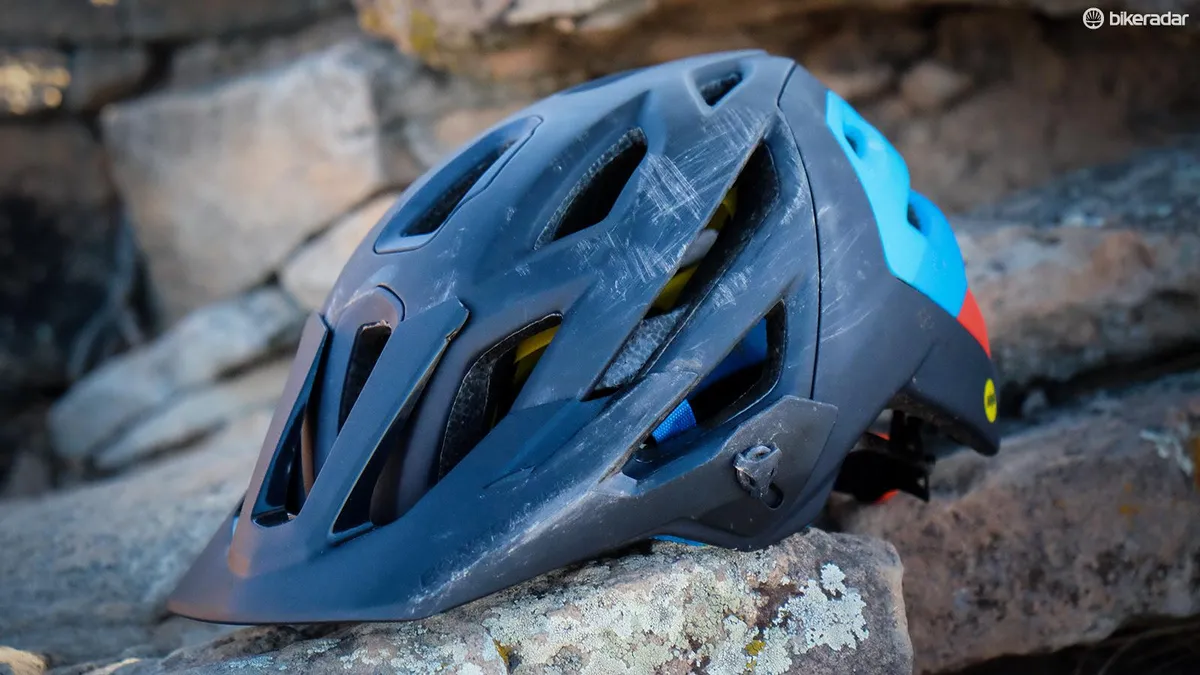
Inspect your helmet for cracks and dents. These are signs of wear and tear. Even small cracks can weaken the helmet.
- Check the outer shell for any visible cracks.
- Look for dents on the surface.
- Inspect after each fall or impact.
Strap And Buckle Wear
Straps and buckles must be strong. They keep your helmet secure. Loose or worn straps can fail in an accident.
| Check Point | What to Look For |
| Straps | Fraying or cuts |
| Buckles | Cracks or broken pieces |
| Adjustability | Slipping or loosening |
Foam Compression
The foam inside the helmet absorbs impact. Compressed foam reduces protection. Feel the foam for soft spots or changes.
After A Crash
A bike helmet protects your head during a crash. It absorbs impact to reduce injury. After any crash, you must check your helmet carefully.
Even if it looks fine, the helmet may be damaged inside. This can make it unsafe for future use.
Impact Assessment
Look for cracks or dents on the helmet shell. Check if the foam inside is crushed or compressed. Damage may not be visible from the outside. If you feel any change in fit or comfort, it can mean damage.
- Inspect the outer shell for cracks or scratches
- Press on the foam to check for soft spots
- Look inside for broken or separated foam pieces
- Test the straps and buckles for damage
When To Replace Immediately
Replace your helmet right after a crash if you find any damage. Also, replace it if you were unconscious or hit your head hard.
| Condition | Action |
| Visible cracks or dents | Replace helmet immediately |
| Foam compression or breakage | Replace helmet immediately |
| Loose or damaged straps | Replace helmet immediately |
| Hard impact with loss of consciousness | Replace helmet immediately |
| No visible damage but hard impact | Consider replacement for safety |
Fit And Comfort Changes
Your bike helmet should fit well and feel comfortable. Over time, the fit may change as materials wear out or your head shape changes.
Changing fit and comfort are signs that it might be time to replace your helmet for safety and better protection.
Helmet Shift During Rides
If your helmet moves or shifts when you ride, it no longer fits correctly. This can reduce protection during a fall or crash.
Check if the helmet stays in place when you shake your head or ride on rough roads. A loose helmet needs adjustment or replacement.
- Helmet slides forward or backward
- Helmet tilts side to side
- Straps feel loose even when tightened
Discomfort And Pressure Points
New pressure spots or pain on your head can mean the helmet is worn out or does not fit well anymore.
Discomfort may cause you to adjust the helmet often, which lowers its protective power.
- Pressure on the forehead or temples
- Soreness behind the ears
- Red marks or skin irritation
Storage And Maintenance
Knowing when to replace your bike helmet is important. Proper storage and maintenance can help your helmet last longer.
Helmet damage is not always visible. Careful handling protects its safety features.
Proper Helmet Care
Clean your helmet regularly with mild soap and water. Avoid strong chemicals that can weaken the materials.
Store your helmet in a cool, dry place away from sharp objects. Keep it out of backpacks or tight spaces that can deform it.
- Use a soft cloth to wipe dirt and sweat
- Check straps and buckles for wear and tear
- Do not drop or throw your helmet
- Keep it away from heavy pressure or sharp edges
Effects Of Sun And Heat Exposure
Sunlight and heat can weaken your helmet’s materials over time. This can reduce its ability to protect your head.
Do not leave your helmet in direct sunlight or inside a hot car. Heat can cause the foam to break down and the plastic to warp.
- Store helmets indoors or in shaded areas
- Avoid long exposure to sunlight
- Check for cracks or soft spots after heat exposure
- Replace helmets that feel brittle or misshapen
Choosing A New Helmet
Choosing the right bike helmet keeps you safe and comfortable. A new helmet protects your head in crashes and fits well.
Look for helmets that meet safety rules and have useful features. This guide helps you select a helmet that works best.
Latest Safety Standards
Check if the helmet meets current safety standards. These rules ensure the helmet passes important tests.
| Standard | Region | Focus |
| CPSC | USA | Impact and penetration resistance |
| EN 1078 | Europe | Shock absorption and retention system |
| AS/NZS 2063 | Australia/New Zealand | Durability and safety performance |
Choose helmets labeled with these certifications. They show the helmet passed safety tests for your region.
Features To Look For
Good helmets have features that add comfort and safety. Think about these points before buying.
- Adjustable straps for a secure fit
- Ventilation holes to keep your head cool
- Lightweight materials for easy wearing
- Removable and washable liners
- Reflective elements for better visibility
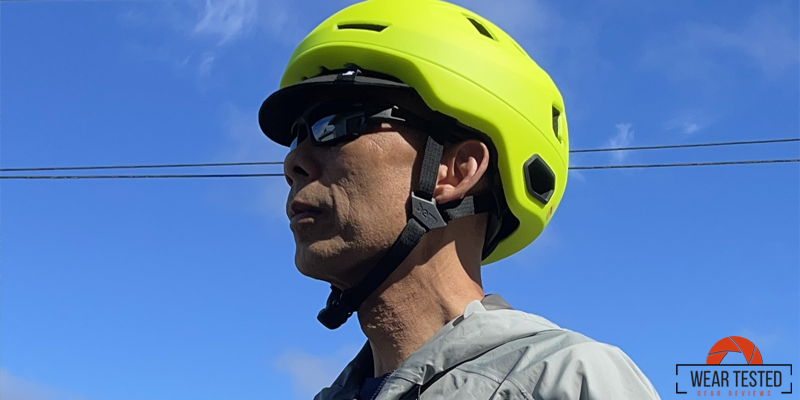
Try helmets on to check comfort and fit. A proper fit means the helmet sits level and does not move.
Credit: bernhelmets.com
Frequently Asked Questions
When Should I Replace My Bike Helmet After A Crash?
Replace your bike helmet immediately after any crash. Impact can damage the helmet’s integrity, reducing protection even if no cracks are visible. Always prioritize safety and get a new helmet after a collision.
How Often Should I Replace My Bike Helmet?
Replace your bike helmet every 3 to 5 years. Materials degrade over time due to wear, sweat, and UV exposure. Regular replacement ensures optimal protection and comfort during rides.
Can I Use A Damaged Bike Helmet Safely?
No, using a damaged bike helmet is unsafe. Cracks or dents compromise its ability to absorb shocks. Always inspect your helmet and replace it if you find any damage.
Does Helmet Age Affect Bike Safety?
Yes, helmet age affects safety. Over time, foam and materials weaken, reducing impact absorption. Even without visible damage, older helmets may not protect as well as new ones.
Conclusion
Bike helmets protect your head and save lives. Replace your helmet after any crash or impact. Also, change it every five years, even without damage. Over time, materials weaken and may not protect well. Regular checks keep you safe on every ride.
Don’t wait for cracks or dents to appear. A good helmet fits well and feels comfortable. Stay alert and replace your helmet when needed. Safety matters most on every bike trip. Keep your head safe and enjoy riding.