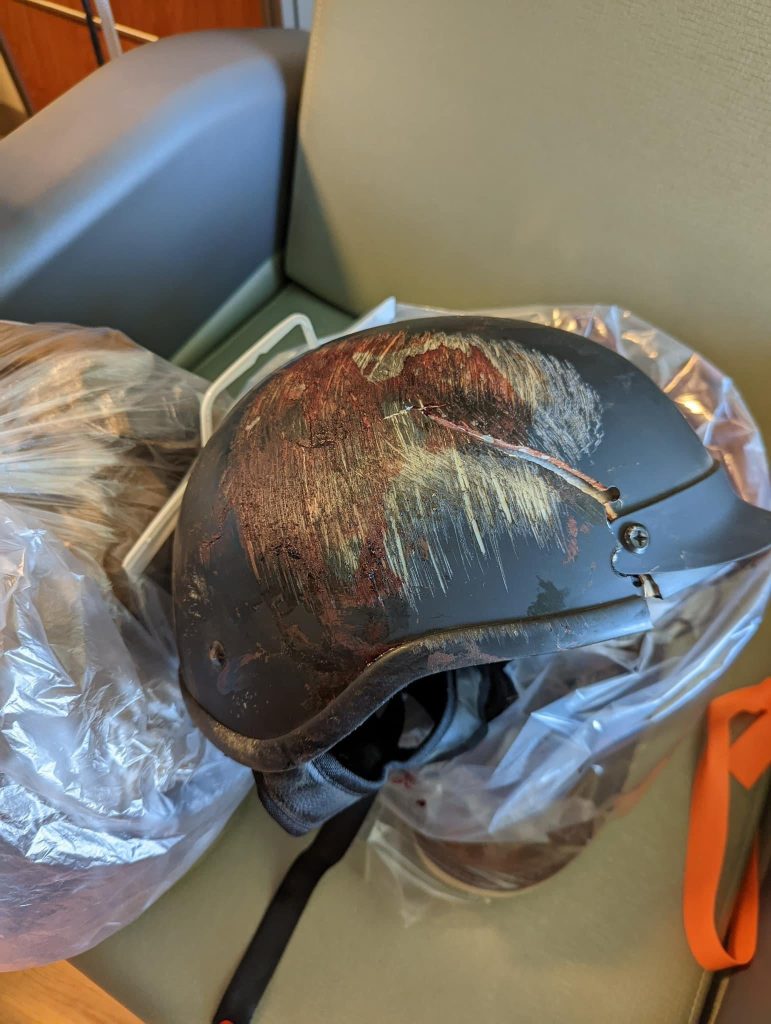
Your bike helmet is more than just gear—it’s your best defense on every ride. But how do you know when it’s time to replace it?
Wearing an old or damaged helmet can put you at serious risk, even if it still looks fine. You’ll discover the simple signs that tell you it’s time for a new helmet. Keep reading to protect yourself and ride with confidence every time you hit the road.
Signs Your Helmet Needs Replacement
Your bike helmet protects your head in crashes. Over time, it can wear out or get damaged. Knowing when to replace your helmet keeps you safe.
Look for clear signs that show your helmet is no longer reliable. Do not wait too long to get a new one.
Visible Cracks And Damage
Check your helmet outside and inside for cracks or dents. Even small cracks can weaken the helmet’s strength.
If you find any damage, replace your helmet right away. Cracks mean the helmet may not protect you well in a crash.
- Look for cracks on the shell or foam
- Check for dents or deep scratches
- Inspect the inside lining for damage
Foam Compression And Wear
The foam inside your helmet absorbs impact. If it feels soft or squished, it may not work well anymore.
Over time, foam can wear down from use or sweat. Replace your helmet if the foam does not spring back to shape.
- Press the foam to check if it feels firm
- Look for areas that are crushed or worn
- Replace if foam shows permanent dents or softness
Strap And Buckle Condition
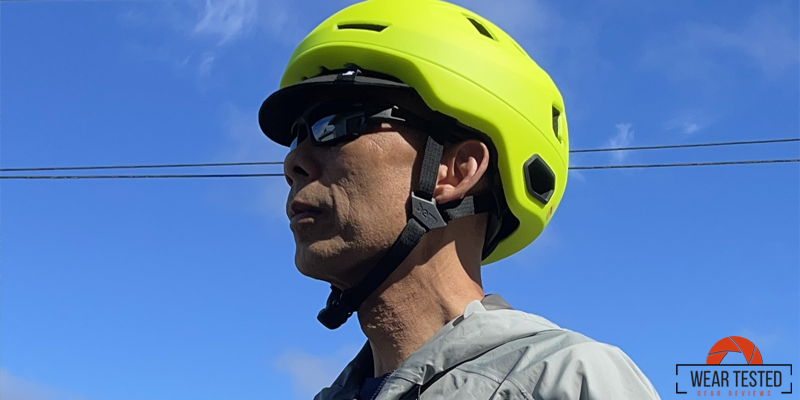
Straps keep your helmet tight on your head. Check them for frays, cuts, or stretching. Damaged straps reduce helmet safety.
Also test the buckle. It should fasten and unfasten smoothly and hold tight. Replace your helmet if straps or buckle fail.
- Look for frayed or torn straps
- Check if straps stretch too much
- Test buckle for secure locking
- Replace helmet if strap or buckle is damaged
Credit: bernhelmets.com
Recommended Replacement Timeline
A bike helmet protects your head during accidents. It is important to know when to replace it. Helmets wear out over time and may not protect well.
Replacing your helmet on time keeps you safe. This guide explains how long helmets last and what affects their lifespan.
Typical Lifespan Of Helmets
Most bike helmets last about three to five years. After this, their materials weaken. The protective foam inside can lose its strength.
Manufacturers often recommend replacing helmets every five years. Even without damage, helmets get less safe with age.
Impact Of Usage Frequency
How often you use your helmet affects its lifespan. Frequent use can cause more wear and tear. Sweat, sunlight, and bumps can damage it.
If you ride daily, check your helmet more often. Replace it sooner if you see cracks or dents. Infrequent use may allow longer use.
- Daily riders: inspect helmet every 6 months
- Occasional riders: inspect helmet yearly
- Replace helmet immediately after a crash
Material Degradation Over Time
Helmet materials break down from sun and heat exposure. UV rays weaken the plastic shell and foam inside. This reduces impact protection.
Even if the helmet looks fine, its materials may be weak. Store helmets away from direct sunlight and heat to slow damage.
- UV rays cause plastic to crack and fade
- Heat can make foam brittle and less shock-absorbent
- Humidity may damage padding and straps
After A Crash Or Impact
Your bike helmet protects your head during a crash. After any impact, it may not work well again.
Knowing when to replace your helmet after a crash keeps you safe on every ride.
Why Immediate Replacement Is Crucial
A crash can damage your helmet without visible cracks. The inside padding may lose its strength.
Using a damaged helmet puts your head at risk in another accident. Replace it right after any impact.
- Helmets absorb shock only once.
- Cracks inside the foam may not show outside.
- A new helmet offers full protection.
Checking For Hidden Damage
Not all damage is easy to see. The helmet’s foam can crush or crack inside after a hit.
Look for dents, cracks, or soft spots. Check if straps or buckles still work well.
- Press the foam gently to feel for soft spots.
- Look closely for cracks or broken parts.
- Make sure straps are tight and not frayed.
When To Consult A Professional
Sometimes it is hard to tell if your helmet is safe. A bike shop can check it for you.
Professionals know what damage makes a helmet unsafe. They can help you decide to replace or keep it.
- Take your helmet to a trusted bike store.
- Ask for a helmet safety inspection.
- Follow their advice on replacement.

Credit: lazersport.ca
Factors Affecting Helmet Durability
Bike helmets protect your head during accidents. Over time, helmets wear out and lose strength. Knowing what affects helmet durability helps you decide when to replace it.
Several factors cause helmets to weaken. Some are easy to spot, while others happen inside the helmet material. Pay attention to these factors to stay safe on your rides.
Exposure To Sunlight And Heat
Sunlight and heat can damage the helmet’s outer shell and inner foam. UV rays break down the plastic, making it brittle. Heat can soften the foam, reducing its ability to absorb impact.
Leaving your helmet in direct sunlight or a hot car can speed up this damage. It is best to avoid long exposure to strong sunlight or high temperatures.
- UV rays cause plastic to crack and fade
- Heat can warp the helmet shape
- Foam inside loses cushioning ability
- Store helmets in cool, shaded places
Storage Conditions
How you store your helmet affects its lifespan. Keeping a helmet in a damp, dusty, or cramped space can cause damage. The foam and straps may degrade faster in bad conditions.
Always store your helmet on a flat surface or hang it by the straps. Avoid stacking heavy objects on top of it to prevent deformation. Proper storage helps keep its shape and strength.
- Store in dry, clean places
- Avoid placing heavy items on helmet
- Use a helmet bag or shelf when possible
- Keep away from chemicals and solvents
Sweat And Moisture Effects
Sweat and moisture can harm your helmet over time. Sweat contains salt and oils that may weaken straps and foam padding. Moisture trapped inside can cause mold or bad smells.
After riding, let your helmet dry completely. Remove any removable pads and wash them regularly. Clean and dry helmets last longer and stay safer.
- Sweat breaks down strap strength
- Moisture causes foam to weaken
- Removable pads prevent buildup
- Air dry helmets after use
Choosing The Right Replacement Helmet
Replacing your bike helmet is important for safety. A new helmet can protect your head better in a crash.
Picking the right helmet is more than just size. You need to check safety, fit, and features.
Certifications And Safety Standards
Look for helmets that meet safety rules. These rules make sure the helmet protects your head well.
Common certifications include CPSC, ASTM, and Snell. Each shows the helmet passed tests for impact and strength.
- CPSC: Required in the U.S. for bike helmets
- ASTM: Covers various sports helmets
- Snell: A high standard for strong protection
Proper Fit And Comfort
Your helmet should fit snugly without pain. It should not move when you shake your head.
Check the straps and padding. Good padding helps keep the helmet comfortable for long rides.
- Measure your head size before buying
- Adjust straps to fit under your chin
- Look for helmets with adjustable padding
- Try on the helmet to test comfort
Features To Consider
Some helmets have extra features that improve safety or comfort. Choose ones that fit your needs.
Ventilation helps keep your head cool. Reflective parts improve visibility in low light.
- Vent holes for airflow
- Reflective stickers or colors
- Visors to block sun and rain
- Lightweight materials for comfort
- Easy-to-use buckle system
Maintaining Your Helmet For Longevity
A bike helmet protects your head during accidents. Taking care of it helps keep it strong and safe.
Regular care extends the life of your helmet and ensures it works well when needed.
Cleaning Tips
Keep your helmet clean to avoid damage from dirt and sweat. Use mild soap and warm water to wash it.
Avoid strong chemicals or solvents. They can weaken the helmet’s materials and reduce safety.
- Use a soft cloth or sponge for cleaning
- Remove the inner pads and wash them separately
- Let the helmet air dry, away from direct sunlight
Regular Inspections
Check your helmet often for cracks, dents, or worn straps. These signs mean your helmet may not protect you well.
Inspect the foam inside. If it feels soft or broken, replace the helmet as soon as possible.
- Look for cracks or dents on the shell
- Check if the straps are frayed or loose
- Ensure the buckle works properly
- Test the foam for firmness and damage
Safe Storage Practices
Store your helmet in a cool, dry place to keep it in good shape. Avoid hot or humid areas.
Do not leave your helmet in direct sunlight or near chemicals. This can break down the materials.
- Keep helmet away from sharp objects
- Use a helmet bag or soft cloth cover
- Store it on a shelf or hook, not on the floor

Credit: road.cc
Frequently Asked Questions
How Often Should You Replace A Bike Helmet?
You should replace your bike helmet every 3 to 5 years. This ensures optimal safety features and material integrity. If you experience an accident, replace it immediately. Over time, exposure to sunlight, sweat, and weather can degrade the helmet. Always check manufacturer guidelines for specific recommendations on replacement.
What Are Signs A Helmet Needs Replacing?
Look for visible cracks, dents, or damaged straps on your helmet. These are clear signs it needs replacing. Fading colors or worn-out padding also indicate it’s time for a new one. Regularly inspect your helmet for these issues to maintain safety while riding.
Does A Helmet Expire Without Use?
Yes, helmets can expire even without use. The materials can degrade over time due to environmental exposure. Manufacturer guidelines usually recommend replacing every 3 to 5 years. Even stored helmets can lose protective capabilities. Always check the production date and follow the suggested replacement timeline.
Can A Dropped Helmet Be Reused?
If a helmet is dropped from a significant height, it’s safer to replace it. Even if there are no visible damages, the internal structure might be compromised. This can reduce its protective ability in an accident. For your safety, it’s best to invest in a new one.
Conclusion
Bike helmets protect your head and save lives. Replace your helmet every few years or after any crash. Cracks or dents mean it cannot protect well. Choose a helmet that fits snugly and feels comfortable. Regularly check for wear and tear.
Staying safe means knowing when to get a new helmet. Protect yourself and enjoy every ride with confidence.