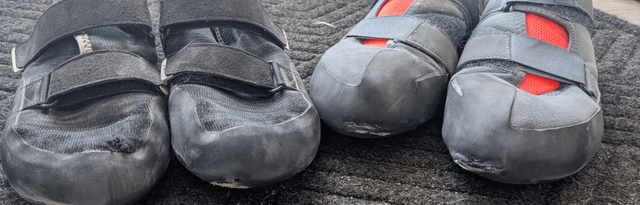
When you’re scaling new heights, the last thing you want is for your climbing shoes to let you down. Your shoes are your lifeline, helping you grip, balance, and conquer those daunting cliffs.
But how do you know when it’s time to bid farewell to your trusty companions? Replacing climbing shoes is a crucial decision that can impact your performance and safety. Are your shoes holding you back? This guide will help you understand the signs that it’s time for an upgrade.
Dive in to discover how to keep your climbing game strong and ensure every step is as secure as it should be. You won’t want to miss these tips that can make all the difference in your climbing adventures.

Credit: www.reddit.com
Wear Patterns To Watch
Climbing shoes wear down over time. Watching for signs helps you know when to replace them. Some parts wear faster than others.
Here are key areas to check on your shoes. Each shows different wear patterns that affect performance and safety.
Sole Thickness And Grip
The sole is the most important part for grip. Thin soles lose friction and make climbing harder. Worn soles can slip on holds.
- Check if the sole is very thin or has holes.
- Look for smooth spots where rubber is gone.
- Test grip by rubbing the sole on rough surfaces.
- Replace shoes if soles feel hard or slick.
Upper Material Damage
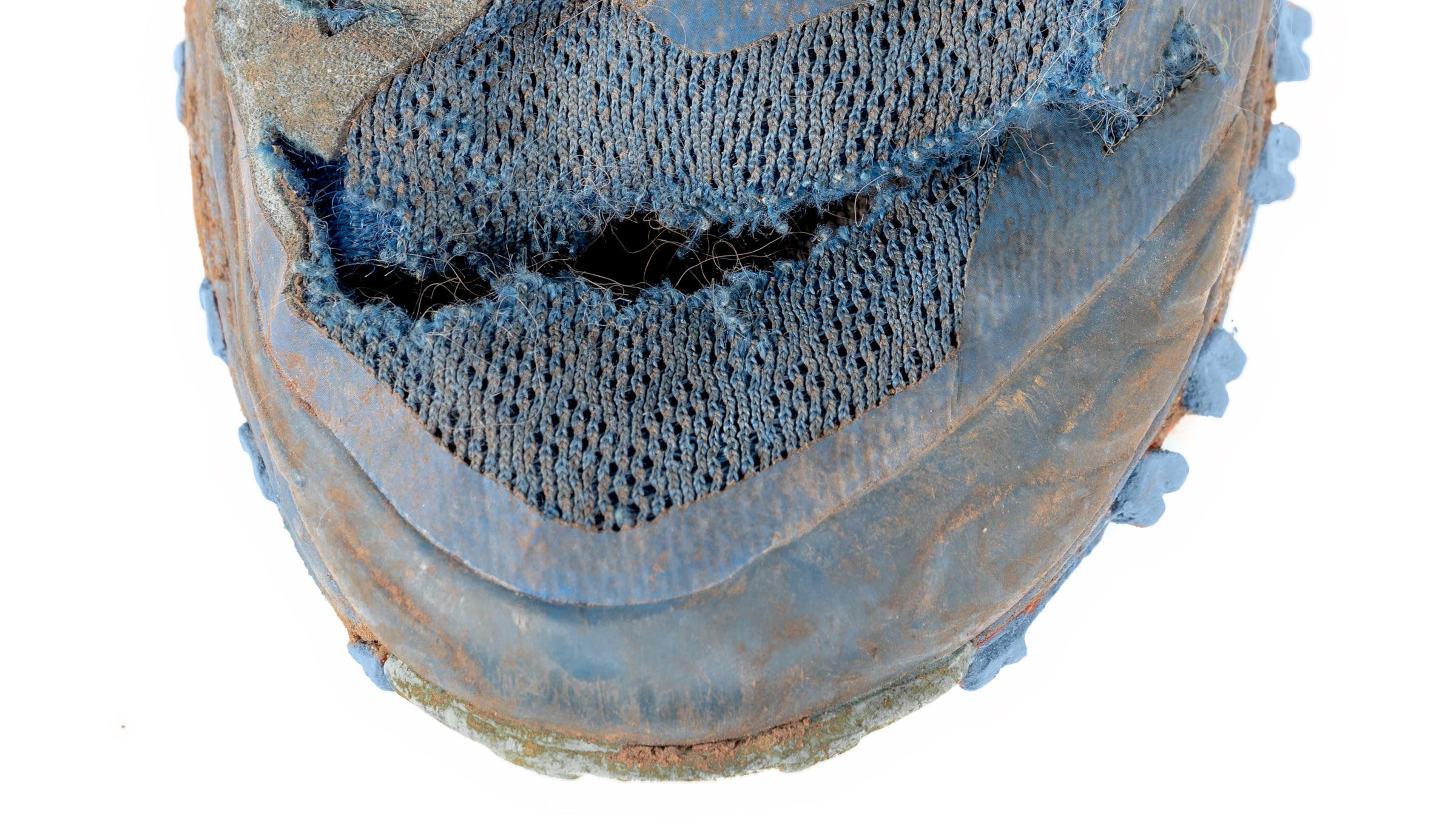
The upper part holds your foot and keeps the shoe tight. Tears or holes reduce support and comfort. Damaged uppers can cause pain or blisters.
| Type of Damage | Effect on Performance | Signs to Watch |
| Tears or Holes | Less support and fit | Visible rips, loose threads |
| Stretched Material | Looser fit, less control | Shoe feels big or loose |
| Worn Stitching | Potential breakage | Frayed seams, gaps |
Midsole Stiffness Loss
The midsole keeps your foot stiff for edging. Over time, it softens and bends too much. This reduces support on small edges.
Signs your midsole is worn out:
- Foot feels less stable on edges.
- Shoe bends too easily in the middle.
- Less power transfer from foot to shoe.

Credit: www.reddit.com
Fit Changes Over Time
Climbing shoes change shape and fit after many uses. This can affect your climbing performance and comfort.
Knowing when to replace your shoes helps you climb better and avoid injury. Watch for signs like loosened fit and wear in key areas.
Loosened Fit Impact
Shoes stretch and soften with time. A loose fit reduces control and precision on small holds.
- Heel slipping lowers stability on steep routes.
- Loose toe box makes edging harder.
- Worn-down liners add extra space inside.
- Reduced tightness causes foot movement inside shoe.
Replace shoes if they feel too loose or your foot moves inside when climbing.
Heel And Toe Box Issues
The heel and toe box take the most wear. Damage here can hurt fit and performance.
| Area | Common Problem | Effect on Fit |
| Heel | Stretching or tearing | Heel slips, less grip on heel hooks |
| Toe Box | Compression or holes | Toes have more room, less precise edging |
Check these parts often. Replace shoes if damage changes how your foot feels inside.
Performance Decline
Climbing shoes wear down over time and lose their effectiveness. Recognizing performance decline helps you know when to replace them.
Two main signs show that your climbing shoes are past their best: reduced sensitivity and decreased precision.
Reduced Sensitivity
Climbing shoes should let you feel the rock beneath your feet. Worn-out soles and midsoles lower this sensitivity. This makes it harder to sense small holds and edges.
- Thickened soles dull the feel of the surface.
- Worn midsoles reduce feedback and control.
- Old shoes cause foot fatigue faster.
Decreased Precision
Precision is key for foot placement on tiny edges. As shoes age, their shape and grip weaken. This lowers your climbing accuracy.
| Wear Issue | Effect on Precision |
|---|---|
| Stretched upper | Looser fit reduces control |
| Worn rubber | Less grip on holds |
| Deformed toe box | Poor edge contact |
Common Damage Types
Climbing shoes face a lot of wear during use. Knowing common damage helps you decide when to replace them. This keeps your climbing safe and comfortable.
Below are three common damage types to watch for in your climbing shoes. Each type affects shoe performance differently.
Separation And Delamination
Separation happens when the sole starts to peel away from the upper part of the shoe. Delamination means the layers inside the sole come apart. Both reduce shoe support and grip.
- Look for gaps between the sole and shoe upper
- Notice if the sole feels loose or floppy
- Check if water or dirt gets inside easily
- Feel for uneven sole thickness or bubbles
Rips And Tears
Rips and tears appear on the shoe’s fabric or leather. Small holes can grow bigger with use. This damage lowers protection and can cause discomfort.
| Damage Type | Effect on Shoe | Signs to Check |
| Small Rips | Less protection | Visible holes or cuts |
| Large Tears | Reduced fit and safety | Open fabric, loose parts |
| Frayed Seams | Weak structure | Loose threads, seams coming apart |
Insole Wear
The insole supports your foot inside the shoe. Over time, it can flatten or lose padding. This causes less comfort and poor foot support.
Signs of worn insoles include:
- Feeling the hard sole underfoot
- Less cushioning during climbs
- Uneven foot pressure or pain
- Visible compression or cracks
Safety Concerns
Climbing shoes wear out over time and can cause safety problems. It is important to know when to replace them.
Old shoes may fail to protect your feet or help you hold grips. This can lead to accidents or injuries.
Risk Of Injury
Worn-out climbing shoes can cause slips or falls. The sole may lose grip or tear, making it unsafe on rocks.
Damaged shoes do not support your feet well. This can lead to sprains, cuts, or bruises during climbs.
- Worn soles reduce friction on holds
- Tears or holes expose skin to sharp edges
- Loose fit causes foot movement and instability
Compromised Support
Climbing shoes lose their shape with use. This weakens the support for your arches and toes.
Without proper support, your foot can slide or twist inside the shoe. This decreases control and increases danger.
- Stretched material reduces tightness
- Flattened soles lower foot stability
- Damaged toe boxes reduce precision on small holds
When Repair Isn’t Enough
Climbing shoes often need repairs after heavy use. Some fixes bring them back to life. But there are times repairs can’t fix the damage.
Knowing when to replace your shoes saves money and keeps your climbing safe. This guide helps you decide when repairs won’t cut it.
Evaluating Repair Costs
Repairing climbing shoes can be cheap or costly. The cost depends on the type of damage and the repair needed.
- Small holes or sole wear usually cost less to fix.
- Replacing the entire sole or rand can be expensive.
- Multiple repairs add up and may exceed the shoe’s value.
- Labor fees vary by cobbler and repair type.
- Shipping costs matter if you use a specialized repair service.
Signs Repairs Won’t Restore Performance
Some shoe damage affects performance and safety even after repairs. Look for these warning signs:
| Sign | Why It Matters |
| Deep tears in the upper material | Weakens shoe support and fit |
| Severe sole separation | Reduces grip and control |
| Worn-out heel cup | Limits heel hooking ability |
| Stretched or loose fit | Causes foot slippage inside shoe |
| Damaged toe box | Less protection for toes |
Extending Shoe Lifespan
Climbing shoes take a lot of wear and tear. Taking care of them helps them last longer. Proper care saves money and keeps shoes safe.
Here are three key ways to extend your climbing shoe lifespan. Cleaning, rotating, and storing shoes right are all important.
Proper Cleaning And Drying
Cleaning your climbing shoes removes dirt and sweat that can damage materials. Drying them properly stops bad smells and mold.
- Use a soft brush to remove dirt after each climb.
- Wipe the inside with a damp cloth to remove sweat.
- Air dry shoes in a cool, shaded spot away from direct sunlight.
- Never put shoes in a dryer or near heaters to avoid shrinking.
Rotating Shoes
Using the same pair every time speeds up wear. Rotating between two or more pairs gives shoes time to recover.
| Benefit | Description |
| Less Wear | Shoes last longer with less constant use. |
| Better Fit | Alternate pairs keep shape and comfort. |
| Improved Performance | Dry shoes provide better grip and feel. |
Storage Tips
Proper storage keeps shoes in good shape. Avoid places that are hot, damp, or crowded.
- Store shoes in a cool, dry place.
- Keep shoes away from direct sunlight.
- Use shoe trees or stuff shoes with paper to keep shape.
- Do not store shoes in plastic bags that trap moisture.
Credit: www.backpacker.com
Frequently Asked Questions
When Should I Replace My Climbing Shoes?
Replace climbing shoes when the rubber sole wears thin or holes appear. Worn shoes reduce grip and safety. Also, if shoes lose their shape or comfort, it’s time to get new ones.
How Does Worn Rubber Affect Climbing Performance?
Worn rubber decreases friction and grip on holds. This reduces climbing precision and increases slip risk. Regularly check soles and replace shoes before rubber is too thin for safety and performance.
Can Stretched Shoes Be Repaired Or Replaced?
Shoes that have stretched significantly lose fit and performance. Minor stretching may be fixed by resoling, but major stretch often requires replacement for proper support and control.
How Often Should Climbers Inspect Their Shoes?
Inspect climbing shoes before and after every climb. Look for sole wear, holes, or loose seams. Regular checks prevent accidents and help decide when to replace shoes for optimal performance.
Conclusion
Worn-out climbing shoes can hurt your performance and safety. Check for holes, loose soles, or loss of grip. If shoes feel uncomfortable or don’t fit well, it’s time to replace them. Fresh shoes help you climb better and avoid injuries.
Remember, climbing shoes wear out faster than regular shoes. Take care of them and know when to buy new ones. Your feet will thank you on every climb.