Is your microwave acting up, or are you just not sure if it’s time to say goodbye? You rely on your microwave every day to heat meals quickly and easily, but when does it stop being a helpful kitchen tool and start causing more trouble than it’s worth?
Knowing the right time to replace your microwave oven can save you money, keep your cooking safe, and make your kitchen more efficient. You’ll discover clear signs to watch for and simple tips to help you decide when it’s time for a new microwave.
Keep reading to make sure your kitchen stays smart and stress-free.
Credit: www.jlconline.com
Microwave Lifespan
Microwave ovens are a staple in modern kitchens. They offer quick meals and easy reheating. But like any appliance, they have a lifespan. Understanding this helps in planning for a replacement.
Average Usage Duration
The average microwave lasts about 7 to 10 years. This depends on usage and maintenance. Families using it daily might see a shorter lifespan. Light use can extend its life slightly.
Factors Affecting Longevity
Several factors affect how long a microwave lasts. Usage frequency plays a big role. Heavy use can wear down parts faster. Cleaning and maintenance are crucial. A dirty microwave can overheat and fail.
The brand and model matter too. Some brands are known for durability. Cheaper models might not last as long. Power surges can damage microwaves. Using a surge protector helps prevent this.
Proper ventilation is essential. Microwaves need space to cool down. Lack of airflow can cause overheating. This leads to shorter appliance life.
Performance Issues
Performance issues in a microwave oven can signal that it is time to replace it. These problems affect how well the microwave cooks food and can cause frustration. Identifying these signs early helps avoid wasted time and uneven meals. Common performance issues include uneven heating, extended cooking times, and unusual noises.
Uneven Heating
Food heats unevenly when some parts are hot and others remain cold. This means the microwave’s magnetron or turntable might be failing. Uneven heating can cause food to be unsafe or unpleasant to eat. Consistent hot spots or cold spots show the microwave is losing efficiency.
Extended Cooking Times
When meals take longer to cook, the microwave may be losing power. This issue wastes energy and increases waiting time. The microwave might seem weak even at full power settings. Cooking times that stretch significantly beyond usual are a sign to consider replacement.
Unusual Noises
Strange sounds like buzzing, humming, or grinding are warning signals. These noises come from worn-out internal parts or a failing motor. Unusual noises often mean the microwave is struggling to work properly. Ignoring these sounds can lead to a complete breakdown.
Visible Damage
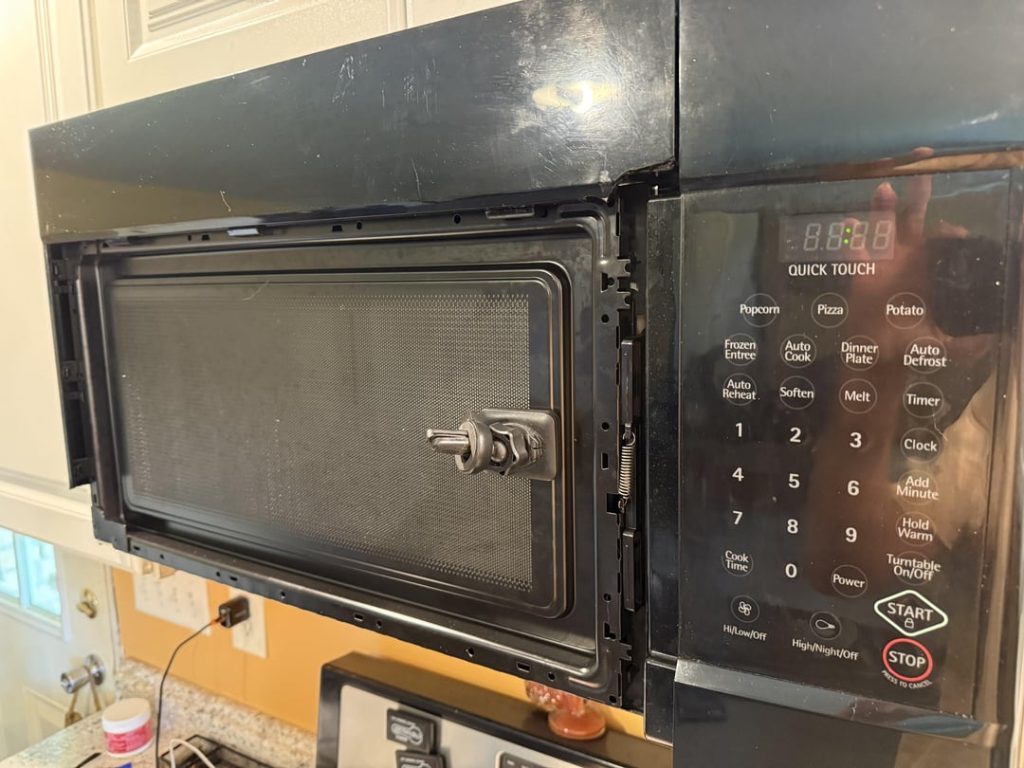
Visible damage on your microwave oven is more than just an eyesore. It can signal deeper problems that affect safety and performance. Noticing cracks, dents, or malfunctioning parts means it’s time to take a closer look and decide if a replacement is necessary.
Cracked Door Or Seal
The door and its seal keep microwave radiation safely inside. Even a small crack can let energy escape, posing health risks and reducing cooking efficiency.
Have you ever tried heating food only to find it uneven or cold? This could be due to a compromised door seal. If you spot any cracks or gaps, it’s safer to replace the microwave rather than repair it.
Damaged Interior
The inside of the microwave should be smooth and clean. Chips, rust, or peeling paint inside can cause sparks or fires during use.
Imagine heating a cup of soup and suddenly seeing sparks inside your microwave. That’s a clear sign the interior lining is damaged. Continuing to use it can lead to costly damage or danger, so replacement is the best option.
Faulty Control Panel
Your microwave’s control panel is the brain behind its functions. Buttons that stick, don’t respond, or display errors can make cooking frustrating and unreliable.
Think about the last time a button didn’t work, forcing you to guess cooking times. If resetting or cleaning doesn’t fix it, a failing control panel often means it’s time to buy a new microwave.
Credit: www.kitchenaid.com
Safety Concerns
Microwave ovens can become unsafe over time. Safety concerns should never be ignored. Knowing the signs helps protect your home and family.
Sparking Or Arcing
Sparking or arcing inside the microwave is a serious warning. It happens when electrical sparks jump inside the oven. This can cause fires or damage to the microwave’s internal parts. Sparks often appear near the door seal or inside the cooking cavity. If you see sparking, stop using the microwave immediately.
Burning Smell
A burning smell is a clear sign of danger. It may mean the microwave’s wiring or components are overheating. The smell can come from melted plastic or burnt electronics. Continuing to use the microwave with this smell risks fire and toxic fumes. Always unplug the appliance if you detect any burning odor.
Electrical Problems
Electrical problems include flickering lights, power surges, or the microwave not turning on. These issues often signal internal wiring faults or a failing magnetron. Faulty wiring can cause shocks or short circuits. Electrical problems are not safe to ignore and usually mean the microwave needs replacing.
Energy Efficiency
Energy efficiency plays a key role in deciding when to replace your microwave oven. Older microwaves tend to use more electricity, raising your power bills. Choosing a more efficient model can save money and reduce environmental impact. Understanding how energy use changes helps in making a smart choice.
Rising Power Consumption
Microwaves lose efficiency as they age. Components wear out and consume more power to heat food. You might notice longer cooking times and higher electricity bills. This steady rise in power use signals it may be time for a replacement.
Keeping an eye on your energy meter can help track consumption. A sudden increase in microwave energy use is a warning sign. Old microwaves often waste energy by running inefficiently.
Comparing New Models
New microwave ovens use advanced technology to cut energy use. Inverter technology offers precise power control, reducing wasted energy. Energy Star-rated models meet strict efficiency standards.
Here is a simple comparison table to show differences:
| Feature | Old Microwave | New Microwave |
|---|---|---|
| Power Consumption | High | Low |
| Cooking Time | Longer | Shorter |
| Energy Star Certified | No | Yes |
Replacing an old microwave with an efficient model reduces power use. The savings add up over months and years. Energy-efficient microwaves use less electricity and cook faster.

Credit: www.searshomeservices.com
Cost Of Repairs
Understanding the cost of repairs is crucial when deciding whether to fix your microwave or replace it. Repair bills can quickly add up, sometimes exceeding the value of the appliance itself. Knowing when repair expenses make sense—and when they don’t—can save you money and frustration.
Evaluating Repair Expenses
Start by getting a clear estimate of the repair cost. Common fixes like replacing a fuse or a door latch usually cost less than $50, while more complex repairs such as fixing the magnetron or control panel can exceed $100.
Compare this repair cost to the current price of a new microwave. If the repair is more than half the price of a new unit, it’s worth questioning if the repair is truly economical.
Also, consider the age and condition of your microwave. A $120 repair on a 10-year-old model might not be wise, since newer models offer better features and energy efficiency.
When Replacement Is Cheaper
Sometimes, replacing your microwave is the smarter choice. If your microwave frequently breaks down or has multiple issues, repair costs can pile up quickly.
Think about this: a $150 repair might seem reasonable now, but if another part fails soon after, you’ll spend more than a new microwave costs.
Look for sales or discounts on new microwaves. You might find a model with a warranty that covers future problems, saving you money in the long run.
Ask yourself: Would you rather invest in a reliable appliance or keep patching an old one? Your time and peace of mind are worth something too.
Upgrading Benefits
Upgrading your microwave oven offers more than just a new look. It brings practical benefits that improve daily use and safety. New models include useful features that older microwaves may lack. Safety improvements protect your family and reduce risks in the kitchen.
New Features And Technology
Modern microwaves come with smart technology. Sensors adjust cooking time and power automatically. This means food cooks evenly without guesswork. Some models have preset menus for specific dishes. These presets make cooking faster and easier.
Touchscreen controls replace old buttons for better precision. Some microwaves connect to Wi-Fi, allowing remote control via apps. This adds convenience and flexibility in meal preparation.
Improved Safety Standards
New microwaves follow updated safety rules. These standards lower the chance of electrical problems. Better insulation and materials reduce fire risks. Child lock features prevent accidents with young kids.
Microwave ovens now have improved door seals. This stops radiation leaks, keeping your kitchen safe. Overheating sensors shut the microwave off automatically. These safety upgrades protect your home and family.
Frequently Asked Questions
How Long Does A Microwave Oven Usually Last?
Microwave ovens typically last 7 to 10 years with regular use. Performance drops and frequent repairs signal replacement time. New models offer better efficiency and safety features.
What Are Signs To Replace A Microwave Oven?
Signs include uneven heating, strange noises, sparks, and door issues. Frequent breakdowns and increased energy consumption also indicate it’s time to replace your microwave.
Is It Safe To Use A Microwave With Damaged Door?
No, using a microwave with a damaged door is unsafe. It can leak harmful radiation and cause injury. Replace or repair the door immediately to ensure safe operation.
Can Old Microwaves Affect Food Quality?
Yes, old microwaves may heat food unevenly and reduce taste. Worn components cause inconsistent cooking, affecting texture and flavor. Upgrading ensures better food quality and safety.
Conclusion
A microwave oven shows signs when it needs replacing. Strange noises, uneven cooking, or sparks are clear warnings. Older models may use more electricity and cost more. Safety matters most, so do not delay fixing issues. Choosing a new microwave can improve kitchen time and food quality.
Pay attention to how your microwave works daily. Replace it when problems affect your cooking or safety. A fresh microwave helps keep your kitchen running smooth and safe.