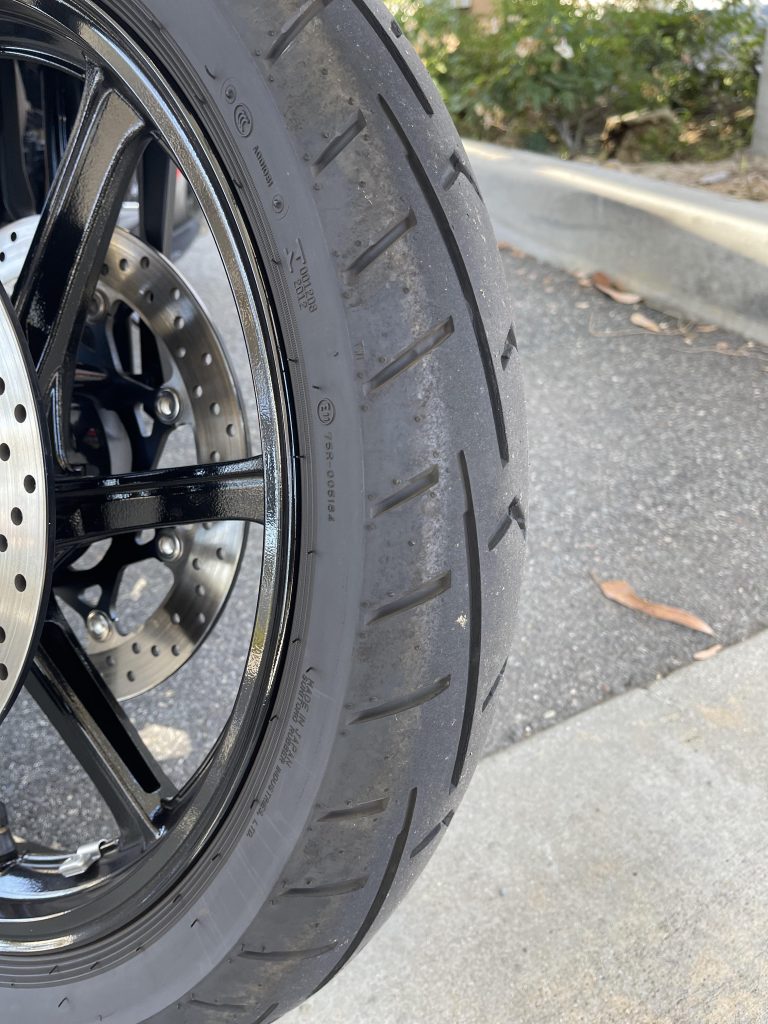
Your motorcycle tires are the only part that touches the road. That means your safety depends on them more than anything else.
But how do you know when it’s time to replace your tires? Riding on worn-out tires can be dangerous and cost you more in the long run. You’ll discover clear signs that tell you it’s time for new tires. Keep reading to protect yourself and get the most out of every ride.

Credit: www.youtube.com
Signs Of Worn Tires
Motorcycle tires wear down with use and time. Recognizing worn tires helps keep you safe on the road.
Look for clear signs to know when to replace your tires. This guide covers key wear indicators.
Tread Depth Indicators
Tread depth is the most important sign of tire wear. Tires have built-in tread wear indicators.
- These indicators are small raised bars in the grooves.
- When the tread wears down to the bars, replacement is needed.
- Low tread depth reduces grip and wet traction.
- Use a tread depth gauge to check if unsure.
Cracks And Dry Rot
Cracks on the tire surface show the rubber is drying out. This is called dry rot.
| Crack Location | What It Means |
| Sidewalls | Rubber is aging and weakening |
| Tread Area | Risk of tread separation |
| Between Tread Blocks | Loss of tire flexibility |
Cracks can cause tire failure. Replace tires if cracks are deep or widespread.
Uneven Wear Patterns
Uneven tire wear shows problems with alignment or tire pressure.
- Center wear means overinflation of the tire.
- Edge wear indicates underinflation or hard cornering.
- Patchy wear suggests suspension or balance issues.
- One-sided wear can mean poor wheel alignment.
Fix the cause and replace uneven tires to avoid safety risks.

Credit: www.reddit.com
Tire Age And Mileage
Motorcycle tires wear out over time and use. Knowing when to replace them keeps you safe. Age and mileage are key factors to watch.
Old tires lose grip and can crack. Tires with too many miles also wear thin. Check both to avoid accidents.
Recommended Lifespan
Tire manufacturers suggest replacing tires every five years. Even if the tread looks fine, the rubber hardens and weakens with age.
- Store tires away from sunlight and heat to extend life.
- Inspect tires regularly for cracks and dry rot.
- Replace tires that are older than five years, regardless of use.
Mileage Benchmarks
Tire mileage depends on riding style, road type, and tire quality. Most motorcycle tires last between 3,000 and 15,000 miles.
| Tire Type | Typical Mileage |
| Sport Tires | 3,000 – 5,000 miles |
| Touring Tires | 8,000 – 15,000 miles |
| Dual-Sport Tires | 5,000 – 10,000 miles |
Performance Changes
Motorcycle tires wear out over time, affecting how the bike performs. Knowing when to replace them keeps riding safe and smooth.
As tires age, they lose grip and responsiveness. This can lead to problems with handling and stability on the road.
Handling And Stability Issues
Worn tires make the motorcycle harder to control. You may notice the bike feels loose or wobbly during turns.
Old tires reduce the bike’s ability to respond quickly. This can cause delays in steering and affect balance.
- Slower steering response
- Increased wobbling on curves
- Less stable at high speeds
Loss Of Traction
Tires lose traction as their tread wears down. This reduces grip on wet and slippery roads.
Reduced traction can cause the motorcycle to slide or skid, especially when braking or turning.
- Longer stopping distances
- More chances of slipping on wet roads
- Less control on loose surfaces
Environmental And Riding Conditions
Motorcycle tires wear out faster or slower based on how and where you ride. The environment and road types affect tire life.
Knowing when to replace tires depends on these conditions. This helps keep your rides safe and smooth.
Impact Of Weather
Weather changes can cause tires to wear out unevenly. Hot weather makes tires softer and may wear them faster.
Cold weather can make rubber hard and brittle. This leads to cracks and less grip on the road.
- Hot weather increases tire wear and pressure.
- Cold weather causes hardening and cracking.
- Wet weather reduces traction and can hide tire damage.
Road Surface Effects
Rough or uneven roads wear tires faster than smooth surfaces. Gravel and dirt roads cause more damage than asphalt.
Sharp stones and debris can cause cuts or punctures. Smooth roads help tires last longer and keep better grip.
- Rough roads wear down tire tread quickly.
- Sharp debris can cause tire damage.
- Smooth roads help tires last longer.
Routine Tire Inspections
Checking motorcycle tires often keeps you safe on the road. Tires wear out and need replacing to avoid accidents.
Routine inspections help you find problems early. This saves money and prevents breakdowns.
Visual Checks
Look closely at your tires for cracks, cuts, or bulges. These signs show the tire may be damaged.
Check the tread depth to ensure good grip. If the tread is too low, it’s time to replace the tires.
- Look for uneven wear patterns
- Check for embedded objects like nails
- Inspect the sidewalls for cracks or bubbles
- Use a tread depth gauge or coin to measure tread
Pressure Monitoring
Keep tires inflated to the correct pressure. Proper pressure ensures safe handling and longer tire life.
Check tire pressure when tires are cold. Use a reliable pressure gauge for best results.
- Check pressure at least once a week
- Adjust pressure to the motorcycle manufacturer’s specs
- Underinflated tires wear out faster and reduce control
- Overinflated tires can cause a harsh ride and uneven wear
Choosing Replacement Tires
Replacing motorcycle tires is important for safety and performance. Choosing the right tires helps your bike handle well.
Knowing how to pick tires lets you enjoy a smooth and safe ride every time.
Matching Tire Types
Motorcycle tires come in many types. Each type fits different bikes and road conditions.
Choose tires that match your bike’s style and the roads you ride on most.
- Sport tires for fast rides on smooth roads
- Touring tires for long trips and comfort
- Off-road tires for dirt and rough trails
- Dual-sport tires for both street and dirt use
Considering Riding Style
Your riding style affects the tire choice. Different styles need tires with specific features.
Think about how you ride before buying tires to get the best fit.
- Casual riders need durable tires with good grip
- Sport riders want tires with high performance and quick response
- Commuters benefit from tires that last long and handle wet roads well
- Adventure riders need tires that work on many surfaces
Timing The Replacement
Knowing when to replace motorcycle tires is important for safety. Tires wear down over time and lose grip. Replacing them at the right time keeps your ride smooth and secure.
Tire replacement depends on many factors like weather and how far you plan to ride. Watching these signs helps you decide the best time to change tires.
Seasonal Considerations
Seasons affect tire life and performance. Cold weather can make tires hard and brittle. Warm weather keeps tires soft but can speed up wear.
- Check tire tread depth before winter and summer.
- Use tires designed for your riding season.
- Store tires properly when not in use.
- Look for cracks or damage caused by cold.
Preparing For Long Rides
Long rides put extra stress on tires. You should inspect tires carefully before a trip. Check air pressure and look for uneven wear.
| Inspection Point | What to Check | Why It Matters |
| Tread Depth | At least 2mm | Good grip on road |
| Air Pressure | Manufacturer’s recommendation | Better handling and fuel efficiency |
| Sidewall Condition | No cracks or bulges | Prevents blowouts |
| Overall Wear | Even wear pattern | Ensures safe ride |

Credit: www.reddit.com
Frequently Asked Questions
When Should I Replace My Motorcycle Tires?
Replace motorcycle tires when tread depth is below 1/32 inch. Also, check for cracks, punctures, or uneven wear. Old tires over five years should be replaced regardless of condition for safety.
How Do I Check Motorcycle Tire Tread Depth?
Use a tread depth gauge or a coin to measure. Replace tires if tread is less than 1/32 inch. Adequate tread ensures proper grip and safe handling on the road.
Can Worn Tires Cause Motorcycle Accidents?
Yes, worn tires reduce traction and increase stopping distance. They can cause skidding and loss of control. Regularly inspect tires to prevent accidents and maintain safety.
What Signs Indicate Motorcycle Tire Damage?
Look for cracks, bulges, punctures, or uneven wear patterns. Damaged tires risk blowouts and poor handling. Replace tires immediately if any damage is visible.
Conclusion
Tires wear out faster than many expect. Check tread depth and look for cracks often. Uneven wear or frequent flats signal replacement time. Safe riding depends on good tire condition. Don’t wait until a problem appears on the road. Changing tires on time protects you and your bike.
Keep your motorcycle ready for every ride. Stay alert to tire changes to avoid accidents. Regular checks save money and stress later. Your safety starts with the right tires.