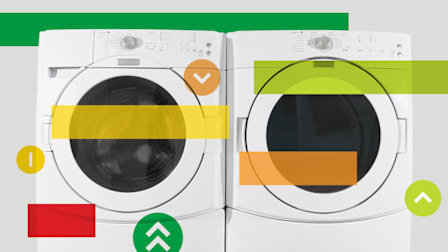
Is your washer or dryer acting up more than usual? You might be wondering if it’s time to replace them or just fix the problem.
Knowing when to say goodbye to your old machines can save you money, stress, and endless laundry headaches. You’ll discover clear signs that your washer and dryer are ready for an upgrade—and how to make the best choice for your home.
Keep reading to avoid costly mistakes and get your laundry routine back on track!
Credit: www.consumerreports.org
Signs Of Aging Appliances
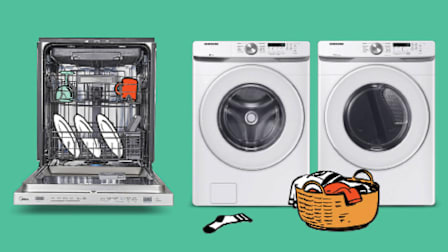
Washers and dryers wear out after years of use. Knowing when to replace them saves time and money.
Look for clear signs that show your appliances are aging and need replacement soon.
Wear And Tear Indicators
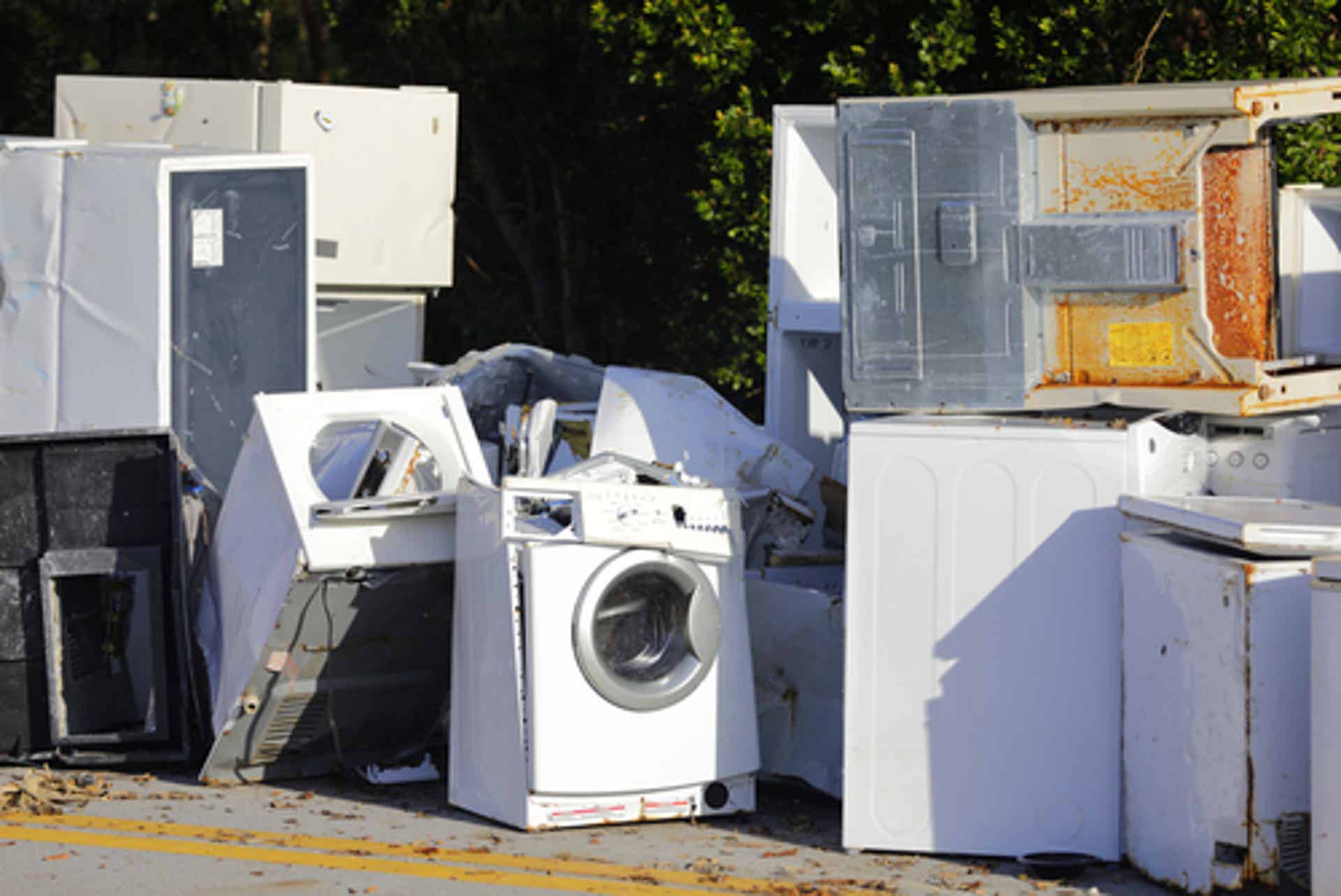
Scratches, dents, and rust are common signs of aging washers and dryers. These damages can affect how well they work.
Old rubber seals may crack or leak water. Also, buttons and dials might become hard to use.
- Rust spots on the exterior
- Cracked or torn door seals
- Faded or broken control buttons
- Dents or scratches on the body
Unusual Noises
Strange sounds from your washer or dryer can mean parts are wearing out. These noises are not normal.
Grinding, banging, or loud humming often show motor or drum problems. These issues may get worse over time.
- Grinding or scraping noises
- Loud banging or thumping sounds
- High-pitched squeals or whistles
- Continuous humming without stopping
Frequent Breakdowns
If your washer or dryer breaks down often, it may be time to replace it. Repair costs can add up quickly.
Repeated problems with spinning, draining, or heating show the appliance is losing reliability.
- Washer not spinning or draining
- Dryer not heating or drying clothes
- Frequent error codes or shutdowns
- Need for constant repairs
Performance Issues
Washing machines and dryers lose efficiency over time. This affects how well they clean and dry clothes.
Knowing the signs of poor performance helps you decide when to replace your washer and dryer.
Inefficient Cleaning And Drying
When clothes come out dirty or still wet, the machine may not work properly. This wastes water and energy.
- Stains remain after washing
- Clothes feel damp after drying
- Unusual smells inside the drum
- Excess lint on clothing
Longer Cycle Times
Older machines take more time to finish cycles. This slows down laundry routines and increases bills.
| Cycle Type | Normal Duration | Extended Duration |
| Wash | 30 minutes | Over 60 minutes |
| Dry | 45 minutes | Over 90 minutes |
Inconsistent Results
Machines that work unevenly cause some clothes to be clean or dry while others are not.
Common issues include:
- Clothes still wet in some areas
- Mixed levels of cleanliness in a single load
- Repeated cycles needed for good results
Energy Consumption Concerns
Washing machines and dryers use a lot of electricity. Old machines can waste energy and increase your bills.
It is important to know when to replace them to save money and reduce energy use.
Rising Utility Bills
Older washers and dryers often use more power than newer models. This can cause your utility bills to rise.
- Your monthly electricity cost may go up.
- Machines run longer due to inefficiency.
- Heating elements in dryers consume a lot of energy.
- Worn parts reduce machine performance.
Outdated Energy Ratings
Old machines may have low energy-efficiency ratings. New models follow stricter energy standards.
| Machine Age | Typical Energy Rating | Energy Use (kWh/year) |
| 10+ years old | Low | 500-700 |
| 5-10 years old | Medium | 350-500 |
| Under 5 years | High | 200-350 |
Credit: www.servpro.com
Safety Risks
Old washers and dryers can cause safety problems. It is important to know when to replace them.
Ignoring safety risks can lead to serious damage or injury. Watch for warning signs to protect your home.
Electrical Problems
Worn wiring or damaged plugs in old machines can cause electrical shocks. Faulty connections may also trip breakers often.
These problems increase the risk of injury or electrical fires. It is safer to replace appliances with frequent electrical issues.
- Exposed wires or sparks
- Frequent circuit breaker trips
- Burning smells near plugs
Water Leaks And Damage
Old washers may leak water inside or outside the machine. Leaks can cause water damage to floors and walls.
Water damage can lead to mold growth and weaken building structure. Fixing leaks can be costly and may not last long.
- Pooling water under the washer
- Rust or stains around the machine
- Soft or warped floors nearby
Fire Hazards
Dryers that are old or poorly maintained can catch fire. Lint buildup in vents or hoses is a common cause.
Fire risks increase if the dryer overheats or has faulty parts. Replacing old dryers reduces chances of fire.
- Lint accumulation in vents
- Burning smells during drying
- Dryer stops working suddenly
Cost Analysis
Replacing a washer and dryer can be costly. Understanding when to replace them is important. Consider repair costs versus replacement costs.
Think about long-term savings when deciding. Analyzing costs helps make the best choice for your budget.
Repair Vs Replacement Costs
Repairing a washer or dryer might seem cheaper at first. Small fixes can save money. But frequent repairs can add up over time.
Replacing a machine can be expensive. New models might cost more upfront. But they usually offer better efficiency and reliability.
- Small repairs: Cheaper, but may recur
- Major repairs: Can be costly
- New machines: Higher initial cost, less frequent issues
Long-term Savings
New washers and dryers often use less energy. This can reduce electricity bills over time. Energy-efficient models can save money annually.
Modern machines may also have features that save water. Less water use means lower utility bills. Investing in a new appliance might be smart for long-term savings.
- Energy-efficient models: Save on electricity
- Water-saving features: Lower utility bills
- Reliable performance: Fewer repair costs
Choosing New Appliances
Replacing your washer and dryer means choosing the right appliances for your needs. It is important to think about features, size, and energy use.
Careful selection helps you save money and get the best performance. Look at modern options that make laundry easier and efficient.
Modern Features To Consider
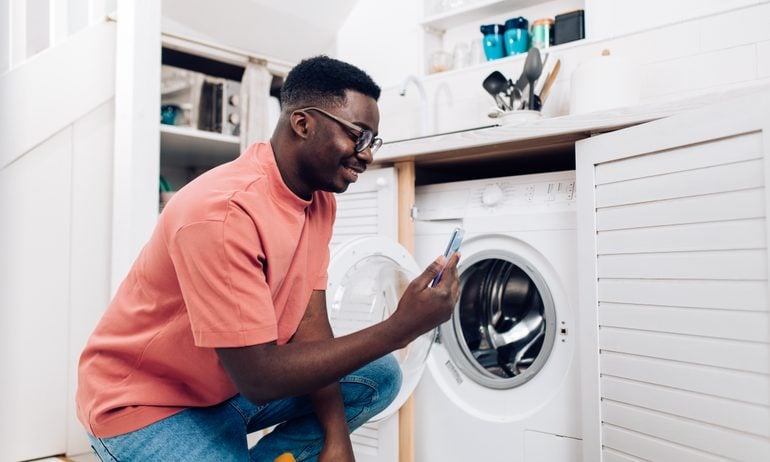
New washers and dryers offer many features that improve cleaning and convenience. Some have smart controls you can use with your phone.
- Quick wash and dry cycles
- Steam cleaning to remove stains and wrinkles
- Wi-Fi connectivity for remote control
- Noise reduction technology
- Automatic detergent dispensers
Size And Capacity Options
Washers and dryers come in many sizes and capacities. Choose one that fits your laundry space and load size.
| Appliance Size | Capacity | Best For |
| Compact | 2-3 cubic feet | Small spaces, singles, couples |
| Standard | 3.5-4.5 cubic feet | Small families, moderate loads |
| Large | 5+ cubic feet | Large families, heavy laundry |
Energy Efficiency Ratings
Energy-efficient washers and dryers save power and reduce bills. Look for the Energy Star label for the best models.
- Use less water and electricity
- Lower your monthly utility costs
- Help protect the environment
- Often include advanced technology for better cleaning
Credit: www.nerdwallet.com
Frequently Asked Questions
When Is The Best Time To Replace A Washer?
Replace your washer if it leaks, makes loud noises, or has frequent breakdowns. Also, consider replacement after 10-15 years for efficiency.
How Do I Know If My Dryer Needs Replacing?
If your dryer takes too long to dry clothes, overheats, or shows error codes, it may be time to replace it.
What Are Signs My Washer Is Beyond Repair?
Persistent leaks, excessive vibrations, and failure to spin or drain indicate your washer likely needs replacement, not just repair.
How Often Should I Replace My Washer And Dryer?
Typically, washers and dryers last about 10-15 years. Replace them sooner if performance declines or repair costs rise significantly.
Conclusion
Old washers and dryers can waste energy and money. Frequent breakdowns signal it’s time to replace them. New machines save water, power, and time. Consider your budget and how much repairs cost. Upgrading improves laundry results and convenience. Don’t wait until your appliances stop working completely.
A timely replacement helps avoid unexpected problems. Choose a model that fits your needs well. This ensures smooth laundry days ahead.