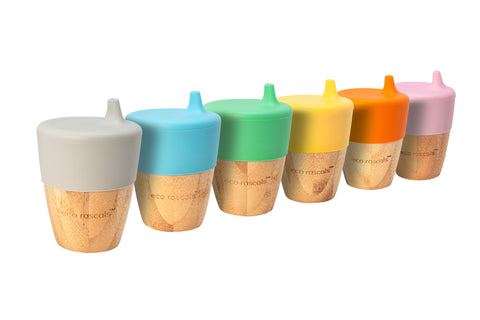
Sippy cups help babies and toddlers learn how to drink on their own. They are easy to hold and stop spills. But parents often ask, when to stop sippy cups? This is an important question. Using sippy cups for too long can cause problems. This article will help you know the right time to stop using sippy cups.
What Are Sippy Cups?
Sippy cups are small cups with lids and spouts. They help young children drink water, milk, or juice without spilling. These cups are used after babies move from bottles. They teach kids to drink by themselves.
Most children start using sippy cups between 6 to 9 months old. At this age, babies are ready to try drinking from a cup. Sippy cups are a good step before regular cups. They help children learn to drink without help.
Why Use Sippy Cups?
- They stop spills and messes.
- They are easy for small hands to hold.
- They help children learn to drink.
- They give a transition from bottle to cup.
Sippy cups are very helpful for parents and kids. They make drinking easier and cleaner.
:max_bytes(150000):strip_icc()/prt-chicco-double-wall-insulated-flip-top-sippy-cup-with-silicone-straw-jenna-flannigan-07-1-aea3f343f6174b69843acd08f1b96584.jpeg)
Credit: www.parents.com
When Should You Stop Using Sippy Cups?
Most experts say children should stop using sippy cups by the time they are 12 to 18 months old. Some say it is okay to use them until 2 years. But it is best to stop before 2 years. Why? Because using sippy cups too long can cause problems.
Problems With Using Sippy Cups Too Long
- Dental Issues: Sippy cups can cause tooth decay. Kids often drink sugary drinks from sippy cups. This can harm baby teeth.
- Speech Development: Using sippy cups for a long time may slow speech. Children need to use regular cups and practice mouth movements.
- Dependency: Kids may become too dependent on sippy cups. They may refuse to drink from regular cups.
- Oral Health: Sippy cups can change the shape of the mouth. This can cause problems with teeth and jaws.
Because of these reasons, it is good to stop sippy cups at the right time.
Signs Your Child Is Ready to Stop Using Sippy Cups
Every child is different. But here are signs that your child may be ready to stop sippy cups:
- Your child can drink from a regular cup without spilling.
- Your child shows interest in using a regular cup.
- Your child can sit still and hold a cup properly.
- Your child is over 12 months old and growing fast.
If your child shows these signs, it is time to start stopping sippy cups.

Credit: www.thepediatricianmom.com
How to Help Your Child Stop Using Sippy Cups
Stopping sippy cups can be easy with these tips:
- Introduce regular cups: Give your child a small open cup with handles.
- Offer drinks in regular cups: Start with water or milk in a small cup.
- Be patient: It may take time for your child to get used to the new cup.
- Limit sippy cup use: Use sippy cups only at nap or bedtime at first.
- Encourage practice: Let your child practice drinking from a cup every day.
- Make it fun: Use cups with colors or pictures your child likes.
Tips to Make the Transition Smooth
Here are some easy ways to help your child stop using sippy cups:
| Tip | How It Helps |
|---|---|
| Start with small amounts | Helps child get used to new cup slowly |
| Use favorite drinks | Makes child excited to try the cup |
| Practice during meals | Links cup use with eating time |
| Give praise and encouragement | Builds child’s confidence |
| Be consistent | Helps child learn faster |
What About Straw Cups?
Straw cups are another option. They help children learn to sip through a straw. Straw cups are better than sippy cups for teeth. They also help develop mouth muscles. You can switch to straw cups before moving to regular cups.
Many parents use straw cups between 12 and 18 months. Then they move to open cups around 18 to 24 months.
When to Use Regular Cups?
Children usually start using regular cups between 12 and 24 months. Some kids learn earlier. Others take more time.
Regular cups help develop good drinking habits. They also help with speech and oral health. At about 2 years old, children should be able to drink well from regular cups.
Summary: When to Stop Sippy Cups
Here is a quick look at when to stop sippy cups:
| Age | What to Do |
|---|---|
| 6 to 9 months | Start using sippy cups |
| 12 to 18 months | Begin switching to straw or regular cups |
| 18 to 24 months | Stop sippy cups completely |
| 2 years and older | Use regular cups only |
Stopping sippy cups at the right time helps children grow healthy. It protects teeth and helps speech. It also teaches good drinking habits.
Final Thoughts
Sippy cups are great for little kids. But they are only a step. It is important to know when to stop. Most children stop sippy cups by 18 months or 2 years. Watch your child. Help them move to regular cups. Be patient and encouraging. This change is good for their health and skills.
Remember, every child is unique. Follow your child’s pace. Use the tips here for a smooth change. Soon, your child will drink like a big kid!
Frequently Asked Questions
When Should Toddlers Stop Using Sippy Cups?
Most toddlers stop using sippy cups between 12 to 24 months old.
Why Is Stopping Sippy Cups Important For Dental Health?
Prolonged sippy cup use can cause tooth decay and affect teeth alignment.
How To Know If My Child Is Ready To Stop Sippy Cups?
Look for signs like drinking from regular cups and showing interest in them.
What Are The Risks Of Extended Sippy Cup Use?
Extended use may cause speech delays and dental problems.