Many parents wonder when to take their baby off the bottle. This is a common question. Babies use bottles for feeding milk or formula. But at some point, they need to stop using the bottle. Why? Because holding a bottle for too long can cause problems. It is important to know the right time to make this change.
Why Stop Using the Bottle?
Bottles are helpful at first. They make feeding easy. But after a while, bottles can cause issues. Here are some reasons why it is good to stop bottle feeding:
- Dental problems: Staying with a bottle too long can hurt baby’s teeth.
- Ear infections: Bottle feeding while lying down can cause ear problems.
- Speech delays: Babies need to practice drinking from cups to learn to talk well.
- Healthy eating habits: Using a cup helps babies eat solid foods better.

Credit: healthiertogether.westlondon.nhs.uk
When Should You Take Baby Off the Bottle?
The right time to stop bottle feeding is different for each baby. But many experts say to begin between 12 and 18 months. Some babies might be ready earlier or later. The key is to watch your baby’s development and habits.
Below is a simple table showing typical ages and what to expect:
| Age | Feeding Stage | What to Do |
|---|---|---|
| 0 to 6 months | Exclusive bottle or breastfeeding | Feed only milk or formula by bottle or breast |
| 6 to 12 months | Introduce solids, continue bottle or breastfeeding | Offer small amounts of solid food, continue bottle |
| 12 to 18 months | Start cup training | Begin using a sippy cup or open cup, reduce bottle |
| 18 to 24 months | Wean off the bottle | Stop bottle feeding, encourage cup use |
Signs Your Baby Is Ready to Stop the Bottle
Every baby is unique. But some signs show when your baby is ready to stop using the bottle:
- Baby shows interest in drinking from a cup.
- Baby can hold a cup with help or alone.
- Baby eats solid foods well.
- Baby is less interested in the bottle.
- Baby can sit up well without support.
If you see these signs, it might be time to start moving away from the bottle.
How to Help Your Baby Stop Using the Bottle
Changing habits can be hard. Babies like what they know. Here are simple ways to help your baby stop the bottle:
- Introduce a cup early: Start giving water in a cup around 6 months.
- Use a sippy cup: These cups are easier for babies to hold and drink from.
- Offer the cup often: Give the cup at meal times and snack times.
- Slowly reduce bottle use: Cut back on bottle feeds little by little.
- Replace bottle times with cuddles: Babies like the comfort of feeding. Offer hugs instead.
- Be patient and calm: Babies may resist at first. Keep trying kindly.
Common Challenges When Stopping the Bottle
Sometimes, stopping the bottle is not easy. Some babies may cry or refuse the cup. Here are some challenges you might face:
- Baby wants the bottle at night: Night feeds are hard to stop.
- Baby uses the bottle for comfort: It may be a way to feel safe.
- Baby refuses the cup: New things can be scary for babies.
Do not worry. These problems are normal. Try to stay calm and keep encouraging your baby.
Tips for Nighttime Bottle Weaning
Many babies want bottles before sleep. Here is how to help your baby stop night bottles:
- Offer water in a cup instead of milk at night.
- Comfort baby with hugs or a soft toy.
- Slowly reduce the amount of milk in the bottle.
- Keep a consistent bedtime routine.
- Be patient; night weaning takes time.
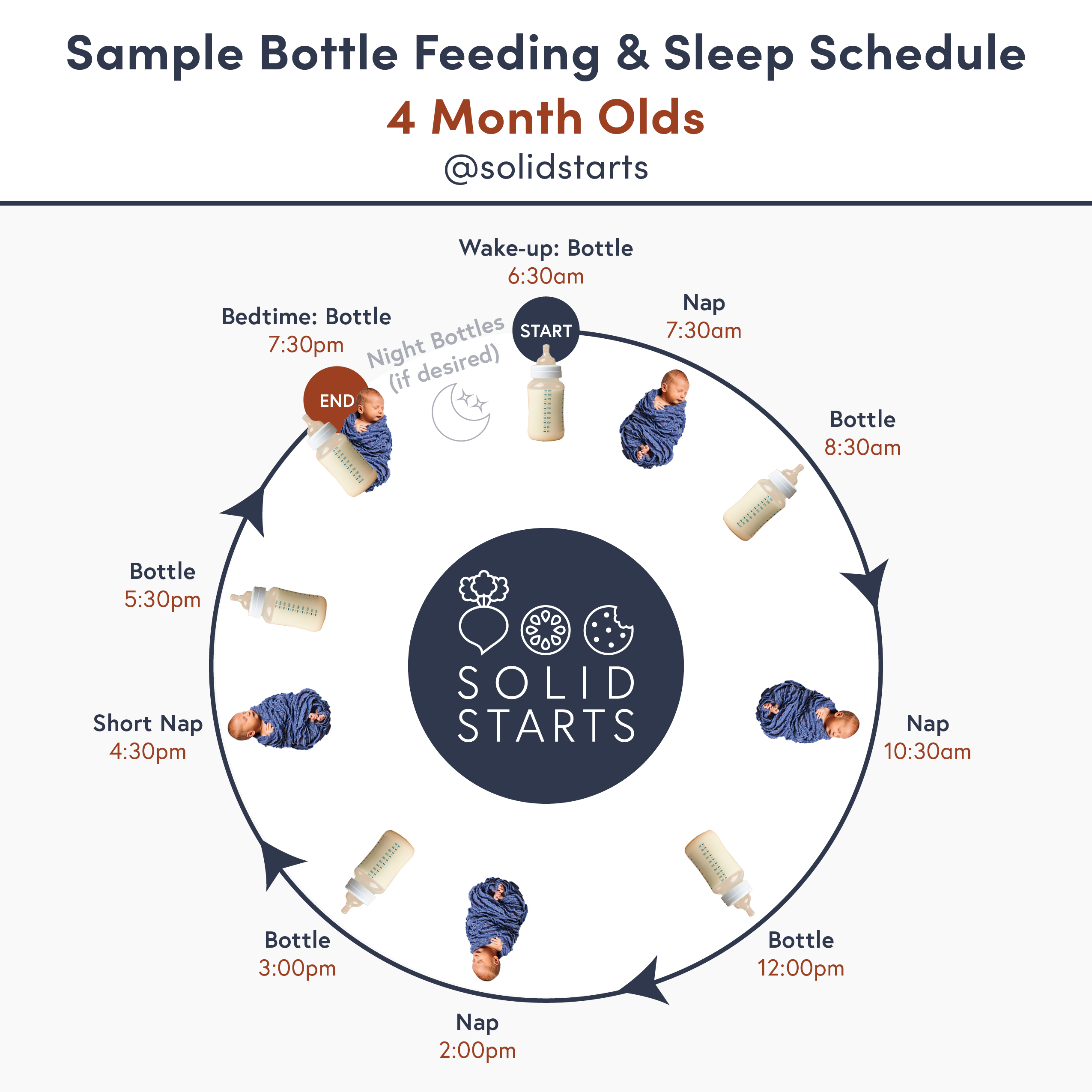
Credit: solidstarts.com
What If Baby Still Wants the Bottle?
Some babies hold on to the bottle longer. This is okay. You can try these ideas:
- Give the bottle only at meal times.
- Replace bottle with a favorite cup.
- Offer more solid foods to reduce hunger.
- Make feeding times fun with songs or stories.
Remember, every baby is different. Follow your baby’s pace.
Benefits of Taking Baby Off the Bottle
Stopping bottle feeding helps your baby in many ways. Some benefits are:
- Better teeth: Less risk of cavities and tooth decay.
- Stronger mouth muscles: Helps with speaking and eating solid foods.
- Good eating habits: Baby learns to eat from a cup and plate.
- Less ear infections: Babies who stop bottles early get fewer ear problems.
Summary
Knowing when to take your baby off the bottle is important. Most babies are ready between 12 and 18 months. Watch your baby’s signs. Start offering a cup early. Reduce bottle feeds slowly. Be patient during the process. Your baby will learn to drink from a cup. This change supports healthy growth and development.
Take your time. Make feeding fun and safe. Soon, your baby will enjoy drinking from a cup.
Frequently Asked Questions
When Should A Baby Stop Using A Bottle?
Babies usually stop bottle feeding between 12 to 18 months old.
What Are Signs Baby Is Ready To Quit The Bottle?
Baby shows interest in cups and drinks less from the bottle.
Can Bottle Feeding Cause Dental Problems?
Yes, long-term bottle use can lead to tooth decay and cavities.
How To Transition Baby From Bottle To Cup?
Offer small amounts in a cup and reduce bottle use gradually.