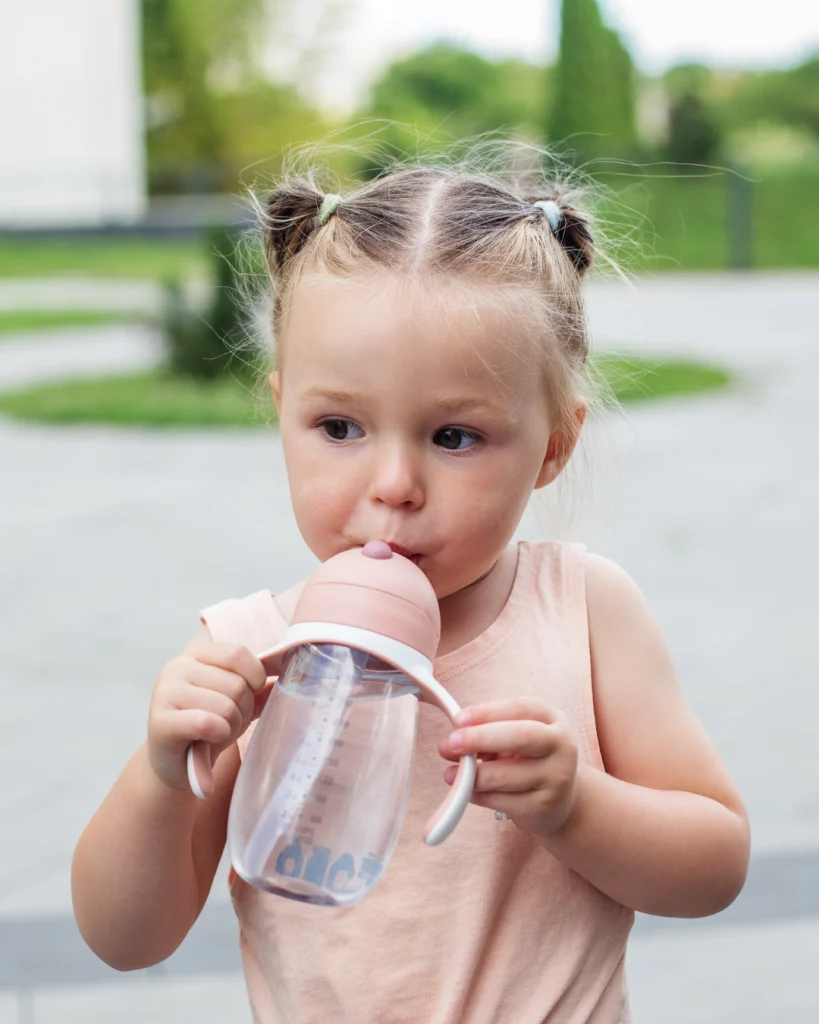
Many parents wonder when to move their child from a bottle to a sippy cup. This is an important step in a child’s growth. It helps them learn new skills. It also supports good health and development.
In this article, we will talk about the right time to switch. We will also share signs your child is ready. Plus, tips to make the change easy and smooth.
Why Move from Bottle to Sippy Cup?
Bottles are great for babies at first. They help with feeding and comfort. But as children grow, bottles can cause problems.
- Bottles can affect teeth health if used too long.
- They may cause ear infections if children lie down with them.
- Using bottles for too long can slow speech development.
- Sippy cups help children learn to drink like big kids.
Changing to a sippy cup supports your child’s mouth and teeth. It also helps them learn to hold and drink from a cup.
What Is a Sippy Cup?
A sippy cup is a small cup with a lid. It has a spout or straw for easy drinking. It stops spills and helps children drink by themselves.
Sippy cups come in many shapes and sizes. Some have hard spouts. Others use soft ones or straws. Choosing the right one can help your child learn better.

Credit: www.youtube.com
When Is the Right Time to Switch?
Most babies start drinking from a sippy cup between 6 and 12 months. But the best time can differ for every child. Watch your child to see when they are ready.
Doctors and experts often suggest starting sippy cups around 6 months. At this age, babies begin eating solid foods too. This helps them practice new skills with drinking.
By 12 to 18 months, children usually use sippy cups well. Many parents try to stop bottle use by 12 to 18 months. This helps avoid problems with teeth and feeding habits.
Signs Your Child Is Ready to Use a Sippy Cup
It is good to know if your child is ready before switching. Here are some signs to look for:
- Your child can sit up well without help.
- They show interest in holding and using cups.
- Your child can chew and swallow solid foods.
- They try to imitate drinking from an adult cup.
- Your child can move liquids from the front to the back of their mouth.
- They can hold small objects with their fingers.
If your child shows some of these signs, it is a good time to try a sippy cup.
:max_bytes(150000):strip_icc()/prt-chicco-double-wall-insulated-flip-top-sippy-cup-with-silicone-straw-jenna-flannigan-07-1-aea3f343f6174b69843acd08f1b96584.jpeg)
Credit: www.parents.com
How to Make the Transition Smooth
Moving from bottle to sippy cup can be easy with the right steps. Follow these tips to help your child learn.
- Start Slowly: Offer the sippy cup during meal times first. Let your child try it with water or milk.
- Use a Familiar Cup: Choose a sippy cup with soft spouts. This feels like a bottle nipple.
- Be Patient: Your child may spill or refuse at first. That is normal. Keep trying.
- Offer Both: For a short time, let your child use both bottle and sippy cup. This helps them adjust slowly.
- Make Drinking Fun: Praise your child when they use the sippy cup. Use words like “good job” to encourage them.
- Set a Routine: Use the sippy cup at certain times daily. This helps your child expect and learn.
Common Challenges and How to Handle Them
Some children may not like the change right away. They may cry or refuse the sippy cup. This is common and can be managed.
- Refusal to Drink: Try different cup styles or liquids. Let your child see you drinking from a cup.
- Spilling Drinks: Practice with small amounts. Use cups with handles for better grip.
- Clinging to Bottle: Gradually reduce bottle use. Remove bottles during naps or bedtime last.
Benefits of Using a Sippy Cup Early
Switching to a sippy cup at the right time helps your child. Here are some benefits:
| Benefit | Explanation |
|---|---|
| Better Teeth Health | Less chance of tooth decay compared to long bottle use. |
| Improved Speech | Helps mouth muscles develop for talking better. |
| Self-Feeding Skills | Encourages your child to drink and feed by themselves. |
| Less Ear Infection Risk | Drinking upright reduces ear infection chances. |
| Good Habits | Helps your child learn cup drinking habits early. |
When to Stop Using the Bottle Completely?
Experts suggest stopping bottle use by 18 months. After this age, bottles can cause dental and health problems.
Continuing with a bottle after 2 years may cause delayed speech. It also can lead to poor eating habits.
Try to remove bottles from bedtime and naps first. Then, remove them during the day.
Frequently Asked Questions
At What Age Should Babies Switch To A Sippy Cup?
Babies usually start using sippy cups around 6 to 9 months old, as they develop better drinking skills.
Why Transition From Bottle To Sippy Cup Is Important?
Switching helps prevent tooth decay and supports healthy jaw and speech development.
How To Know If Baby Is Ready For A Sippy Cup?
Look for signs like sitting up well and showing interest in cups.
Can Toddlers Use Sippy Cups All Day Long?
Limit sippy cup use to avoid too much liquid and encourage regular cups.
Conclusion
Transitioning from bottle to sippy cup is a big step. It helps your child grow and learn new skills.
Start around 6 months if your child is ready. Watch for signs like sitting well and interest in cups. Move slowly and be patient.
Remember, every child is different. Some take longer to change, and that is okay.
Using a sippy cup early can protect teeth and help speech. It also teaches self-feeding and good habits.
With time and care, your child will enjoy their new cup. This change is an important part of growing up.