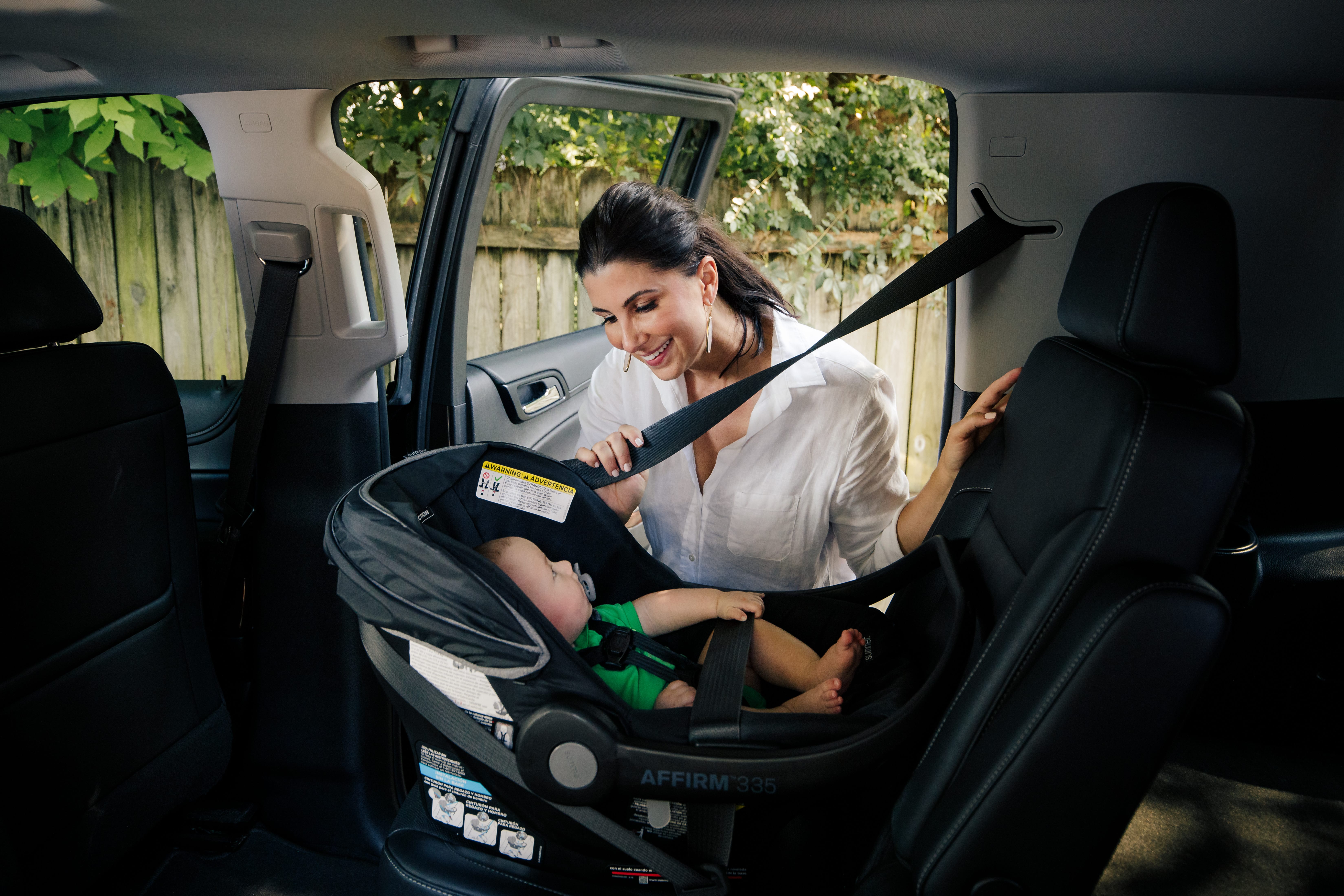
Every parent wants to keep their child safe in the car. One important step is using the right car seat. As children grow, they need different seats. One of these is the booster seat. But when is the right time to change from a car seat to a booster seat?
What Is a Booster Seat?
A booster seat is a special seat for children. It helps the car’s seat belt fit the child correctly. The seat belt must lie across the child’s body safely. Booster seats raise children up so the belt fits well.
Without a booster seat, the seat belt might not protect children well. It can cause injuries in accidents. Booster seats make the belt fit across the chest and hips, not the neck or stomach.
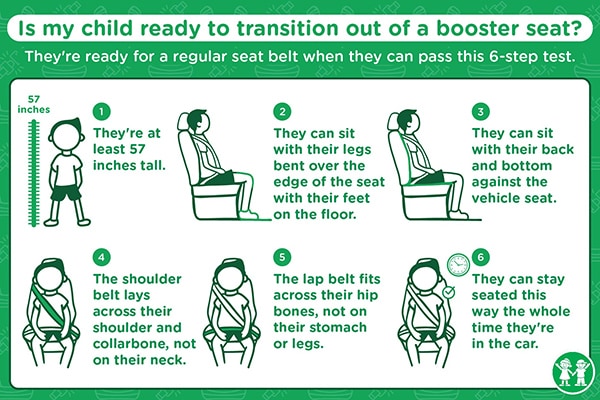
Credit: www.safeintheseat.com
Why Use a Booster Seat?
- Booster seats improve safety for growing kids.
- They help the seat belt fit the child’s body.
- Booster seats reduce the risk of injury in crashes.
- They are easy to use and move between cars.
Booster seats are very important until children grow tall enough for seat belts.

Credit: www.thecarmomofficial.com
Signs Your Child Is Ready for a Booster Seat
Children cannot move to a booster seat just by age. There are other things to check. Here are signs your child might be ready:
| Sign | Details |
|---|---|
| Age | Usually children over 4 years old can use booster seats. |
| Weight | Child should weigh at least 40 pounds (18 kg). |
| Height | Child should be at least 40 inches (102 cm) tall. |
| Outgrown Harness | Child no longer fits in the forward-facing car seat harness. |
| Seat Belt Fit Test | Seat belt fits incorrectly without a booster seat. |
These signs help parents decide when to switch safely.
Why Not Move to Booster Seat Too Early?
Some parents think about changing seats too soon. This can be dangerous. Here is why:
- Young children need the harness for better restraint.
- Booster seats rely on seat belts, which may not fit small kids well.
- Early transition can increase risk of injury in accidents.
So, wait until your child meets the right size and age.
How to Know Booster Seat Fits Well?
Once you move to a booster seat, check the fit each time. The seat belt must be in the right place:
- The lap belt should lie low on the hips, touching the thighs.
- The shoulder belt should cross the middle of the chest and shoulder.
- The belt should never touch the neck or face.
If the belt does not fit this way, the booster seat might be wrong or your child is not ready.
Types of Booster Seats
There are two main types of booster seats:
- Backless Booster Seats: These are small and easy to carry. They raise the child so the seat belt fits. Use only if your car has headrests.
- High-Back Booster Seats: These have a back and head support. They are better for cars without headrests. They protect the head and neck more.
Choose the type that fits your car and your child’s needs.
How Long Should a Child Use a Booster Seat?
Children should stay in booster seats until they are big enough for seat belts. Usually, this means:
- At least 8 to 12 years old.
- Height of about 4 feet 9 inches (145 cm).
At this size, seat belts fit well without a booster.
Steps to Transition to a Booster Seat
Follow these simple steps to change seats safely:
- Check your child’s age, weight, and height.
- Make sure the child has outgrown the forward-facing car seat harness.
- Choose the right booster seat type.
- Install the booster seat properly in the car.
- Teach your child how to sit correctly in the booster seat.
- Check the seat belt fit every time you travel.
Common Mistakes to Avoid
Parents sometimes make mistakes when switching to booster seats. Avoid these:
- Moving to booster seat before the child is ready.
- Not using the booster seat every time in the car.
- Allowing the child to sit improperly in the seat.
- Not checking the seat belt fit each trip.
- Using a booster seat that is not right for the child’s size.
Following the rules helps keep children safe.
Why Booster Seats Matter for Safety
Booster seats save lives. They reduce injuries in crashes. When kids grow, they need booster seats to keep seat belts in the right place.
Without booster seats, seat belts can hurt children. A belt too high on the stomach or neck can cause serious injuries.
Booster seats make sure the belt fits across the strong parts of the body. This protects the child better during accidents.
Legal Rules About Booster Seats
Many places have laws about car seats. Most laws say:
- Use a booster seat until the child reaches a certain age or height.
- Children under a certain age or weight must use a car seat with a harness.
Always check your local laws. Following them keeps children safe and avoids fines.
Tips for Parents
- Always read the booster seat manual carefully.
- Make sure the booster seat fits well in your car.
- Help your child sit properly every time.
- Replace booster seats after a crash or if damaged.
- Do not use second-hand seats without checking the history.
Frequently Asked Questions
When Should A Child Start Using A Booster Seat?
Children should use a booster seat once they outgrow their forward-facing car seat, usually around 4 years old.
How Long Can Kids Stay In A Booster Seat?
Kids use booster seats until they are about 8 to 12 years old or 4 feet 9 inches tall.
Why Is A Booster Seat Important For Safety?
Booster seats help seat belts fit properly, reducing injury risk in car crashes for kids.
Can A Booster Seat Fit In Any Car?
Most booster seats fit standard cars, but checking car and seat compatibility is important.
Conclusion
Transitioning to a booster seat is an important step. It helps children stay safe in the car. Remember to check your child’s size, age, and seat belt fit. Use the right booster seat type for your child and car.
Never rush this change. Safety comes first. Use booster seats until your child is tall and old enough for seat belts alone.
Following these tips helps protect your child every time you travel. Safety on the road is the most important goal.