Are you wondering when the best time is to turn your air conditioner off? You might be surprised how this simple choice can save you money, boost your comfort, and even extend the life of your unit.
Knowing exactly when to switch off your AC isn’t just about staying cool—it’s about smart energy use and making your home feel just right. Keep reading, and you’ll discover easy tips that help you make the smartest decisions for your comfort and your wallet.

Credit: www.realsimple.com
Ideal Temperatures For Ac Use
Knowing when to turn off your air conditioner saves energy and money. It also keeps your home comfortable without wasting power.
Choosing the right temperature balance helps you enjoy cool air and lower energy bills. Let’s look at how to decide.
Comfort Vs Energy Savings
Setting your AC too low makes your home very cool but uses lots of electricity. A higher setting saves energy but may feel warm.
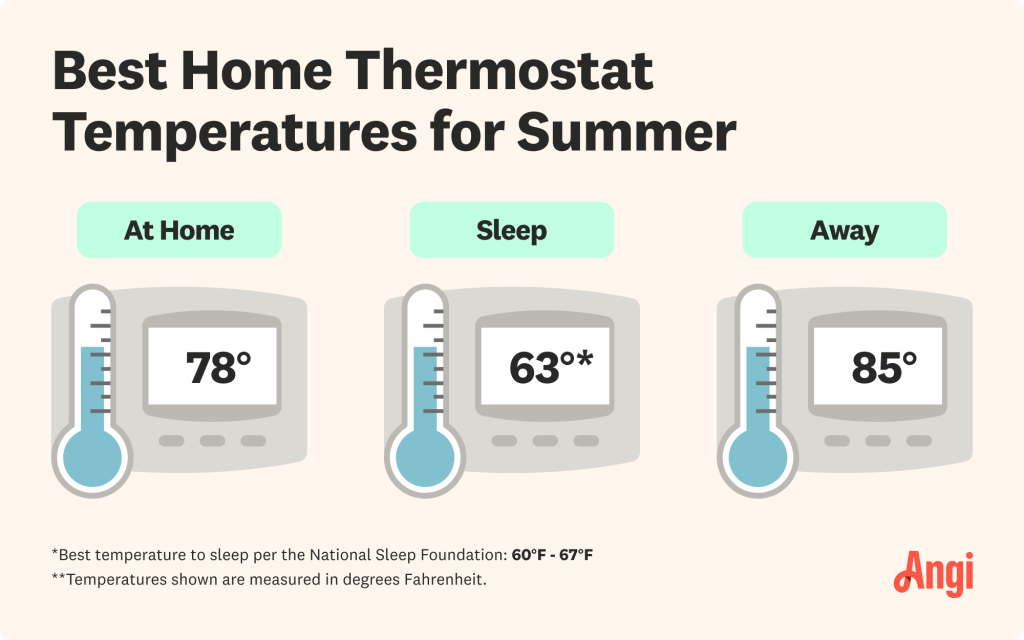
Many people find 24–26°C (75–78°F) comfortable and energy-friendly. Adjust this based on how you feel and outdoor heat.
- Lower temperatures cool faster but increase bills
- Higher temperatures save energy but reduce cooling speed
- Use fans to help feel cooler at higher AC settings
Seasonal Temperature Guidelines
Season changes affect when you should turn off the AC. Cooler days mean you can turn it off earlier or use less.
In hot summer, keep the AC on longer but set it at energy-saving levels. In spring or fall, open windows when outside is cool.
- Summer: Use 24–26°C (75–78°F) and run AC as needed
- Spring/Fall: Turn AC off if outdoor temperature is below 22°C (72°F)
- Winter: Turn AC off unless heating is needed, use other methods
Signs To Turn Off Your Ac
Knowing when to turn off your air conditioner can save energy and money. It also helps keep your home comfortable without overusing the AC.
Look for clear signs that show your AC is not needed. These signs help you decide the best time to switch it off.
Stable Indoor Climate
If the temperature inside your home stays steady and comfortable, you may not need the AC. A stable climate means your house keeps cool enough without extra cooling.
When the indoor temperature is consistent, turning off the AC can reduce energy use without making your home feel hot.
Cool Nighttime Conditions
At night, the air often gets cooler naturally. If the outdoor temperature drops, you can turn off your AC and open windows for fresh air.
Using natural cool air at night helps save power and keeps your home fresh without running the AC.
Reduced Humidity Levels
When humidity is low, the air feels more comfortable and less sticky. Your AC does not need to work as hard to cool your home.
If you notice less moisture in the air, it is a good time to turn off your AC and enjoy natural comfort.
Energy-saving Practices
Turning off your air conditioner at the right time helps save energy. Small changes in how you use cooling can lower your bills.
Using other methods to stay cool and controlling your AC smartly supports energy savings. Regular care also keeps your system efficient.
Using Fans As Alternatives
Fans use less electricity than air conditioners. They help circulate air and make you feel cooler. Use fans when it is not too hot outside.
- Use ceiling fans to move air in rooms.
- Place portable fans near windows for fresh air flow.
- Combine fans with open windows during cooler times.
- Turn fans off when you leave a room to save energy.
Setting Timers And Smart Controls
Timers and smart controls help turn off the AC automatically. You can set the AC to run only when needed. This avoids cooling empty rooms.
| Control Type | Energy Saving Benefit |
| Timer | Turns AC off after set time |
| Smart Thermostat | Adjusts temperature based on room use |
| Remote Control | Turn off AC from anywhere |
Regular Maintenance Benefits
Keeping your air conditioner clean and checked helps it work well. A well-maintained AC uses less power and lasts longer.
- Clean or replace air filters monthly.
- Check for leaks in ducts and seals.
- Schedule professional tune-ups yearly.
- Keep outdoor unit free from debris.

Credit: www.bhg.com
Impact Of Ac Usage On Bills
Using an air conditioner affects your electricity bills. The longer it runs, the higher the cost.
Knowing when to turn off your AC can help save money and energy.
Cost Differences By Usage Time
Running your AC all day costs more than using it only when needed. Shorter usage times reduce your bill.
Turning off the AC during cooler hours lowers your overall cost.
- Running AC 24 hours can double your bill
- Using AC 8 hours or less saves up to 50%
- Shutting off AC at night cuts costs further
Energy Consumption Patterns
ACs use more energy when starting up and running at high settings. Lower settings save energy.
Energy use depends on room size, AC efficiency, and outside temperature.
- Higher temperatures make the AC work harder
- Smaller rooms need less energy to cool
- Energy-efficient ACs cost less to run
When Not To Turn Off Ac
Turning off your air conditioner can save energy. But sometimes, it is better to keep it running. Knowing when not to turn off your AC helps keep your home safe and comfortable.
This guide explains important times to keep your air conditioner on. Learn about extreme heat, health needs, and humidity control.
Extreme Heat Waves
During extreme heat waves, indoor temperatures can rise quickly. Turning off the AC can cause your home to become dangerously hot.
High heat inside increases the risk of heat exhaustion and heat stroke. Keep the AC on to keep your home cool and safe.
- Protects vulnerable people from heat risks
- Keeps indoor temperature below 80°F (27°C)
- Prevents damage to heat-sensitive items
Health Considerations
People with certain health conditions need steady temperatures. Turning off the AC can worsen breathing problems or allergies.
AC filters dust and pollen, improving air quality. It is best to keep the system running to protect health.
- Helps asthma and allergy sufferers breathe easier
- Maintains air cleanliness and reduces pollutants
- Supports stable body temperature for sick individuals
Humidity Control Needs
Air conditioners remove moisture from the air. Turning off the AC can cause high humidity levels indoors.
Excess humidity causes mold and dust mites to grow. Keep the AC running to control moisture and avoid damage.
- Prevents mold and mildew in walls and furniture
- Reduces dust mites and allergens
- Keeps home comfortable and fresh
Smart Thermostats And Automation
Smart thermostats help control your air conditioner easily. They learn your schedule and adjust temperatures automatically.
Automation lets you set rules for your AC. It can turn off when you leave or cool before you arrive.
Optimizing Ac Run Times
Smart thermostats reduce AC run time by adjusting settings. They avoid cooling empty rooms and save energy.
You can schedule times to turn off the AC. This keeps your home comfortable without wasting power.
- Set higher temperatures when no one is home
- Lower temperatures before you return
- Use sensors to detect room occupancy
- Limit AC use during cool nights
Remote Monitoring Features
Remote monitoring lets you check your AC from anywhere. Use a smartphone app to see current settings and status.
You can turn the AC off if you forget at home. This stops energy waste and lowers bills.
- View temperature and humidity in real time
- Receive alerts for unusual activity
- Adjust settings without being home
- Track energy usage over time

Credit: www.waychoffsac.com
Frequently Asked Questions
When Is The Best Time To Turn Off The Air Conditioner?
Turn off your air conditioner when outdoor temperatures are cooler. Early mornings and late evenings are ideal to save energy and reduce costs. Also, consider turning it off when you leave your home for extended periods.
How Does Turning Off Ac Affect Energy Bills?
Turning off your air conditioner when not needed significantly lowers energy consumption. This reduces your electricity bills and extends the lifespan of your unit. Using a timer or smart thermostat helps manage usage efficiently.
Should I Turn Off The Ac When Sleeping?
It’s beneficial to turn off or set the AC to a higher temperature while sleeping. Cooler nights often don’t require full AC use. Alternatively, use a fan or set the AC to an energy-saving mode.
Can Turning Off Ac Improve Indoor Air Quality?
Yes, turning off the AC occasionally allows fresh air circulation. Continuous AC use can trap pollutants inside. Opening windows and ventilating your space improves air quality and reduces allergens.
Conclusion
Turning off your air conditioner saves energy and money. It’s crucial during mild weather or when leaving home. Regularly assess your comfort and adjust accordingly. This helps maintain efficiency and prolongs the unit’s lifespan. Remember, simple habits make a big difference.
Also, clean filters ensure better performance. Consider natural cooling methods like fans or open windows. These can provide comfort without extra costs. Thoughtful use of your air conditioner benefits both your wallet and the environment. Stay mindful, stay cool, and enjoy a comfortable living space.