
Have you ever wondered exactly when you should turn on your air conditioner? It’s a simple decision, but getting it right can save you money and keep your home comfortable.
Turning it on too early might waste energy, while waiting too long can make your living space uncomfortable and stuffy. You’ll discover the best moments to switch on your AC, how to balance comfort and cost, and tips to make your cooling system work smarter, not harder.
Keep reading—you’ll learn how to beat the heat without breaking the bank.
Signs You Need Cooling
Indoor temperatures rising above 75°F (24°C) can signal the need for cooling. Warm rooms make it hard to focus and rest. High temperatures often cause discomfort and tiredness.
Humidity levels over 60% feel sticky and cause sweat to stay on the skin. This can make the air feel hotter than it is. Reducing humidity improves comfort.
- Feeling hot and sweaty even when sitting still
- Skin feels clammy or sticky
- Difficulty sleeping due to heat
- Increased irritability or restlessness
Ideal Temperature Settings
Setting your air conditionerbetween 75°F and 78°Fkeeps your home cool and saves energy. This range feels comfortable for most people. Cooler settings use more electricity and raise bills.
Energy-efficient coolingmeans using the AC smartly. Keep doors and windows closed to stop cool air from escaping. Use fans to help spread cool air faster. Set timers or smart controls to run the AC only when needed.
Balancing comfort and costis key. Choose a temperature that feels good but does not waste power. Small changes, like raising the thermostat by 2°F, can cut energy use by nearly 10%. This saves money and helps the environment.
Timing Your Ac Use
The peak heat hoursusually happen in the afternoon, between 1 PM and 4 PM. During this time, the sun is very strong, and temperatures rise quickly. Turning on the air conditioner in these hours helps to keep your home cool and comfortable. It also prevents heat from building up inside.
Night cooling benefitsinclude using lower energy and saving money. The air outside is cooler at night, so the AC does not need to work hard. Running the AC at night can also help you sleep better by keeping the room cool and fresh.

Credit: www.bhg.com
Using Thermostats Effectively
Programmable thermostats help save energy by setting temperatures for different times. You can cool your home only when needed. Set it higher when you’re away and lower before you come back. This avoids wasting power and keeps rooms comfy.
Smart thermostats learn your schedule. They adjust settings automatically for comfort and savings. You can control them from your phone. This means no need to get up to change temperature. Some models even show energy use to help you save more.
Alternative Cooling Methods
Fans help cool rooms by moving air around. This air movement makes you feel cooler. Use ceiling fans or portable fans to help air circulate. Open windows at night to bring in fresh, cooler air. Cross-ventilation works best when windows or doors are open on opposite sides of a room. This lets air flow through and cool the space.
Shading blocks sunlight from heating your home. Use curtains, blinds, or shades on sunny windows. Planting trees or installing awnings outside can also reduce heat. Insulation keeps hot air out and cool air in. Good insulation in walls and roofs helps keep the home temperature steady. This reduces the need to turn on the air conditioner.
Maintaining Your Ac System
Keeping your air conditioner running wellmeans caring for its parts. The filteris very important. It traps dust and dirt, so the air stays clean. Clean the filter every month during heavy use. Replace it if it looks old or torn. A dirty filter makes the AC work harder and use more energy.
Professional service helps catch small problems early. A technician will check the coolant levels, clean coils, and test the system. Regular checks keep your AC efficient and reliable. Schedule service at least once a year before hot seasons. This keeps the air cool and your bills low.
Energy Saving Strategies
Setting timers helps control the air conditioner use efficiently. It allows the AC to run only when needed. This saves energy and lowers electricity bills. Timers can turn the AC on before you arrive home. They also switch it off when no one is around.
Energy-efficient models use less power than older units. Look for air conditioners with high Energy Star ratings. These models cool the room well while using less electricity. Using such models can reduce your energy consumption by up to 30%.

Credit: www.angi.com
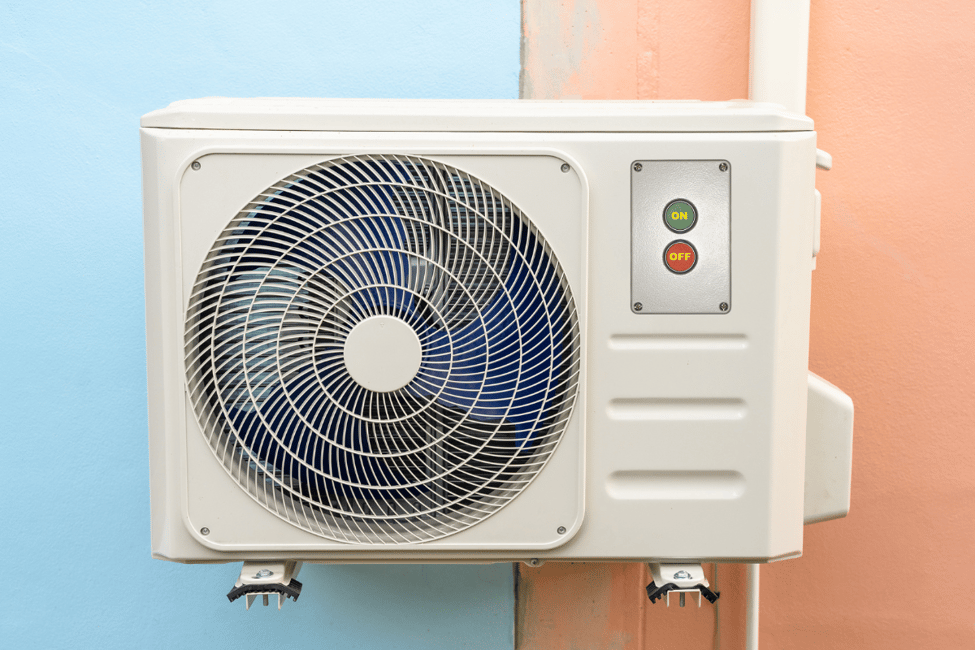
Credit: chachadestates.com
Frequently Asked Questions
When Is The Best Time To Turn On The Air Conditioner?
Turn on the air conditioner when indoor temperatures exceed 75°F (24°C). This ensures comfort and energy efficiency. Avoid waiting until it feels too hot, as early use can prevent heat buildup and reduce energy costs.
How Does Humidity Affect When To Use Ac?
High humidity makes indoor air feel hotter, so use the AC when humidity rises above 60%. The AC removes moisture, improving comfort and air quality. Controlling humidity prevents mold and allergens, making your home healthier.
Should I Run The Ac All Day Or Only When Hot?
It’s best to run the AC only when needed, not all day. Use a programmable thermostat to cool efficiently. This saves energy and reduces utility bills while keeping your home comfortable during peak heat hours.
Can I Turn On The Ac Before It Gets Too Hot?
Yes, turning on the AC early helps maintain a consistent temperature. It prevents the indoor environment from becoming uncomfortably warm. Early cooling also reduces strain on the air conditioner, extending its lifespan.
Conclusion
Choosing the right time to turn on your air conditioner is crucial. It helps manage energy bills and ensures comfort. Pay attention to the weather and indoor temperature. Use fans or open windows when possible. This keeps the air fresh without using too much energy.
On hotter days, turn on the AC to stay cool. Smart thermostats can make this easier by automating the process. They adjust settings based on your needs. Regular maintenance of your air conditioner also helps. This ensures efficiency and a longer lifespan.
With these tips, enjoy a comfortable home all year round.