
Are you wondering when the best time is to turn on your air conditioner? You might think it’s simple—just switch it on when it gets hot.
But there’s more to it than that. Turning your AC on too early or too late can cost you money and affect your comfort. You’ll discover the key signs that tell you exactly when to start cooling your home. Keep reading to learn how to stay comfortable without wasting energy or overspending.
Your perfect indoor temperature is closer than you think.
Ideal Temperature For Cooling
Setting the right temperature for your air conditioner helps keep your home comfortable. It also saves energy and lowers bills.
Knowing when to turn on the air conditioner depends on the ideal indoor temperature. This guide explains the best temperatures and factors that affect your comfort.
Recommended Indoor Temperatures
Experts suggest keeping indoor temperatures between 75°F and 78°F during summer. This range balances comfort and energy use well.
- 75°F to 78°F is best for cooling when people are home and active.
- Raising the thermostat a few degrees when you are away saves energy.
- Using a programmable thermostat helps keep temperatures in the right range.
Factors Affecting Temperature Preference
Several things change the temperature that feels best to you. Age, health, and activity level all play a role.
| Factor | Effect on Temperature Preference |
| Age | Older adults may prefer warmer settings |
| Health | People with certain conditions need cooler air |
| Clothing | Light clothes allow for cooler temperatures |
| Humidity | High humidity may require lower temperatures |
| Activity Level | Active people feel warmer and need cooler air |
Signs You Need To Turn On The Ac
Knowing when to turn on the air conditioner is important. It helps keep your home comfortable and healthy.
There are signs that indicate you should use your AC. Let’s explore these signs to make sure you’re staying cool.
Heat And Humidity Levels
High heat and humidity can make your home uncomfortable. It’s a clear sign to turn on the AC.
- Indoor temperatures rise above 78°F (26°C)
- Humidity levels exceed 60%
- Difficulty sleeping due to heat
Physical Discomfort Indicators
Physical discomfort is a strong signal. It indicates that your body needs a cooler environment.
Watch for these signs:
- Excessive sweating indoors
- Headaches or dizziness from heat
- Feeling lethargic or tired
Energy Efficiency Tips
Saving energy helps lower your bills and protects the planet. Using your air conditioner smartly is key to energy efficiency.
Learn when to turn on the air conditioner and how to keep your home cool without wasting power.
Optimal Thermostat Settings
Set your thermostat to a comfortable but not too cold temperature. This reduces energy use and keeps your home cool.
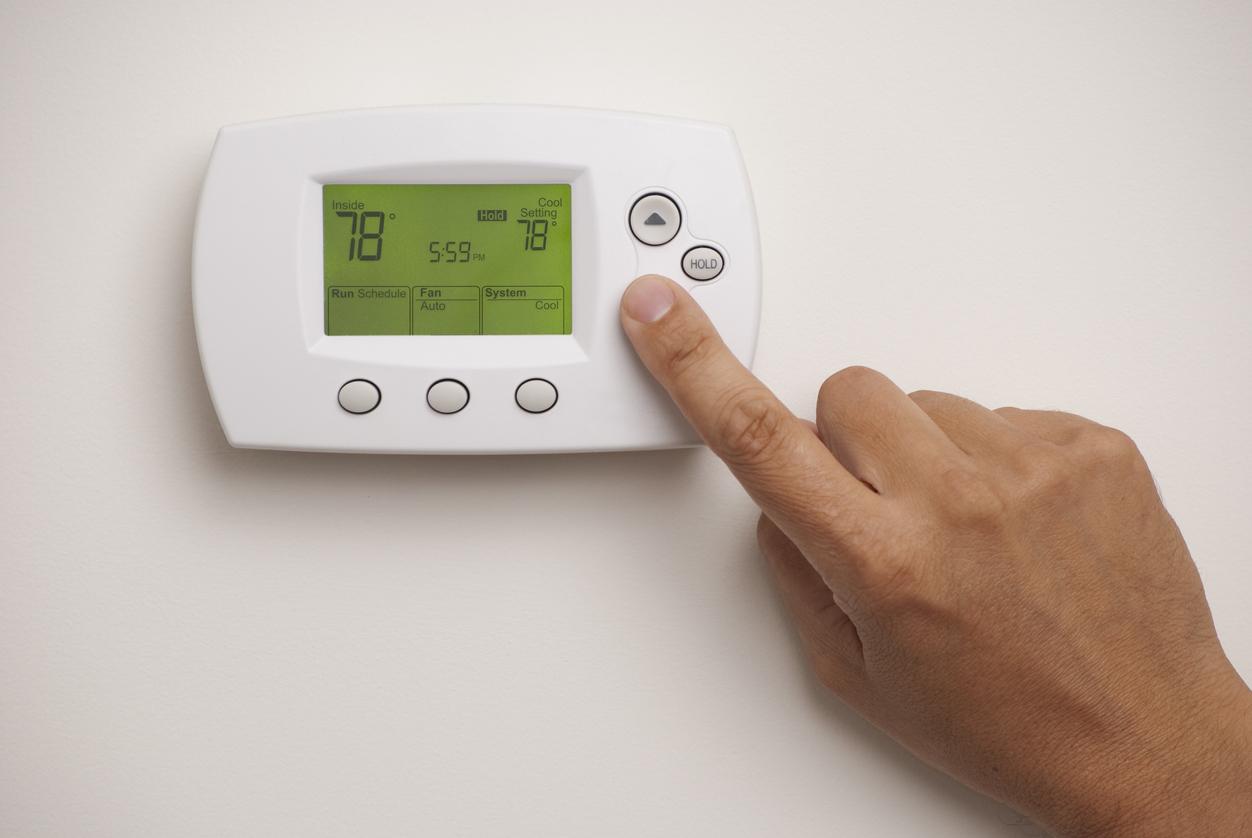
- Keep the thermostat at 78°F (25°C) when you are home and active.
- Raise the temperature by 7-10°F (4-6°C) when you leave the house.
- Use a programmable thermostat to automate temperature changes.
Using Fans And Ventilation
Fans and ventilation help circulate air and cool your home without using much energy.
| Method | Energy Use | Benefit |
| Ceiling Fans | Low | Makes you feel cooler by moving air |
| Exhaust Fans | Low | Removes hot air from kitchens and bathrooms |
| Natural Ventilation | None | Use windows and vents to bring in cool air |
Timing Your Ac Usage
Using your air conditioner at the right times can save energy and keep your home comfortable.
Understanding when to turn on your AC helps reduce electricity bills and wear on the unit.
Day Vs Night Cooling
Daytime heat often feels stronger because the sun warms your house and surroundings.
At night, temperatures usually drop, making your home cooler naturally.
- Turn on your AC during the hottest hours, usually from late morning to early evening.
- Use fans or open windows at night to cool your home without AC.
- Set your AC to a higher temperature at night to save energy.
Weather Patterns To Watch
Weather changes affect when you should use your air conditioner.
| Weather Condition | AC Usage Advice |
|---|---|
| Hot and dry | Run AC longer to remove heat and dry air. |
| Humid and warm | Use AC to reduce moisture and cool air. |
| Cool or rainy | Turn off AC; use natural ventilation instead. |
| Heat waves | Keep AC on during peak heat to stay safe. |
Health Benefits Of Proper Ac Use
Using an air conditioner at the right time helps keep your body safe from heat. It supports your health by keeping indoor temperatures cool and comfortable.
Proper use of air conditioning reduces risks linked to heat and helps improve how well you rest at night. Knowing when to turn on your AC can make a big difference.
Reducing Heat-related Illnesses
Heat-related illnesses happen when your body gets too hot. Using AC correctly lowers this risk by cooling your home quickly and keeping the air fresh.
- Prevents heat exhaustion and heat stroke
- Keeps body temperature in a safe range
- Reduces dehydration by maintaining humidity
- Protects vulnerable groups like children and elderly
Improving Sleep Quality
Cooler rooms help your body relax and fall asleep faster. Proper AC use creates a calm and quiet space, which improves how deeply you sleep.
| Benefit | How AC Helps |
| Faster sleep onset | Lower room temperature signals body to sleep |
| Less night sweating | Maintains steady cool air to stop overheating |
| Improved comfort | Reduces noise and controls humidity |
| Better breathing | Filters air to reduce allergens and dust |
Credit: www.callroth.com
Maintenance For Best Performance
Turning on your air conditioner at the right time helps you stay cool. Keeping it well maintained makes it work better and last longer.
Simple care steps can save energy and avoid big repairs. Here are two important maintenance tips to keep your AC running smoothly.
Regular Filter Cleaning
Cleaning the air filter often helps your AC blow cool air easily. A dirty filter blocks airflow and makes the system work hard.
Check the filter every month during heavy use. Wash or replace it if you see dust or dirt build-up.
- Turn off the AC before cleaning
- Remove the filter gently
- Use water and mild soap to wash it
- Let it dry completely before putting back
- Replace filters every 3 months if disposable
Scheduling Professional Checkups
Experts can find small problems before they get big. A yearly checkup keeps your AC efficient and safe.
Technicians check parts like coils, refrigerant, and electrical connections. They clean areas you cannot reach.
- Book a service visit once a year
- Ask for a full system inspection
- Request cleaning of coils and drain lines
- Ensure refrigerant levels are correct
- Check thermostat and controls
Alternatives To Air Conditioning
Air conditioners cool your home quickly, but they use a lot of energy. There are other ways to keep your space cool. These options save power and still make you comfortable.
Trying alternatives can reduce your electricity bills and help the environment. Let’s look at some natural and energy-saving choices.
Natural Cooling Methods
Natural cooling uses the environment to lower indoor temperatures. It works without machines or electricity. You can use simple actions to cool your home.
Examples include using shade, ventilation, and water to cool the air. These methods keep your home fresh and cool during hot days.
- Close curtains and blinds during the day to block sunlight
- Open windows at night to let cool air in
- Plant trees or vines near windows for natural shade
- Use fans to increase air flow inside rooms
- Place a bowl of ice in front of a fan for cooler air
- Use light-colored curtains and roofs to reflect heat
Energy-saving Appliances
Energy-saving appliances use less electricity to cool your home. They help reduce energy bills while keeping you comfortable. Look for devices with good energy ratings.
These appliances include fans, evaporative coolers, and energy-efficient air conditioners. They cost less to run and are better for the environment.
- Ceiling fans use less energy than air conditioners
- Portable fans cool small spaces efficiently
- Evaporative coolers use water to cool air with low power
- Energy Star air conditioners save power compared to older models
- Smart thermostats control cooling to avoid waste

Credit: chachadestates.com

Credit: www.realsimple.com
Frequently Asked Questions
When Is The Best Time To Turn On The Air Conditioner?
Turn on the air conditioner when indoor temperatures reach 75°F (24°C). This helps maintain comfort and energy efficiency. Avoid early use to save electricity and prevent unnecessary wear on the unit.
How Does Humidity Affect When To Use Ac?
High humidity makes the air feel hotter, prompting earlier AC use. The air conditioner removes moisture, improving comfort. Use AC during humid days to control dampness and keep indoor air fresh.
Should I Turn On The Ac Before Leaving Home?
It’s best to turn on the AC 15-30 minutes before arriving. This cools the space efficiently without wasting energy. Use a programmable thermostat for automated cooling based on your schedule.
Can Turning On Ac Too Early Waste Energy?
Yes, using AC too early can increase energy bills. It may cool an already comfortable room unnecessarily. Wait until temperatures rise to a set point before switching on the AC.
Conclusion
Choosing the right time to turn on your air conditioner saves energy and money. Wait until the heat feels too strong or the room becomes uncomfortable. Keep an eye on the weather and indoor temperature. Using the AC wisely keeps your home cool without wasting power.
Remember, small actions can make a big difference in comfort and costs. Stay cool, but stay smart.