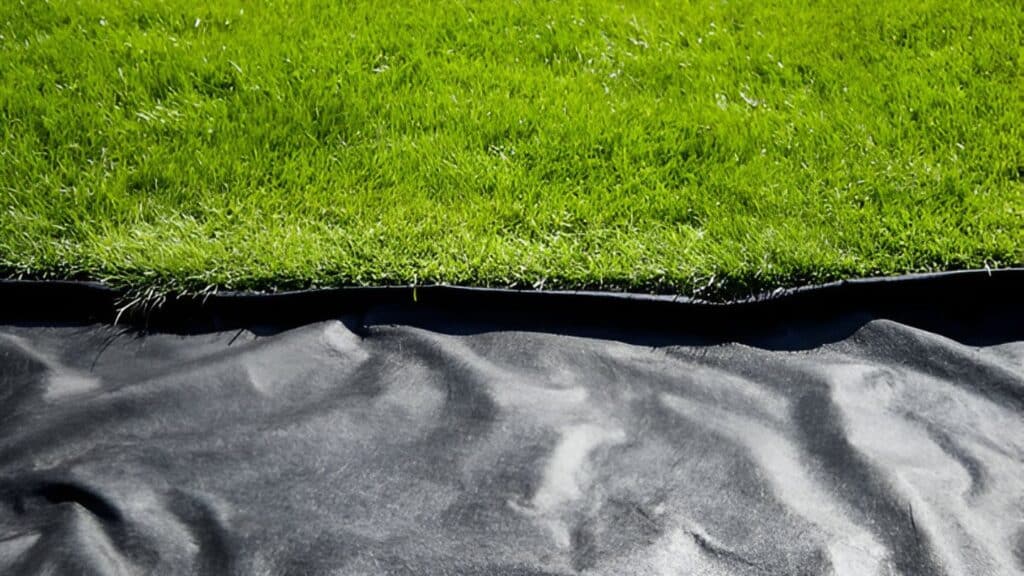
Are you tired of weeds taking over your garden or struggling with soil erosion in your outdoor spaces? Knowing exactly when to use landscape fabric can make a huge difference in keeping your yard clean, healthy, and beautiful.
This simple tool can save you time, effort, and frustration—but only if you apply it at the right moments. You’ll discover the key situations where landscape fabric works best, helping you make smarter choices for your garden and lawn. Keep reading to learn how to protect your plants and boost your outdoor space with ease.
Benefits Of Landscape Fabric
Landscape fabric helps improve garden care and plant health. It is a useful tool for many outdoor projects.
This fabric offers several benefits that make gardening easier and more effective. It supports soil and plant growth in different ways.
Weed Control
Landscape fabric blocks sunlight from reaching weed seeds. This stops weeds from growing and spreading in your garden.
- Prevents weeds from taking root
- Reduces the need for chemical weed killers
- Makes garden maintenance easier and faster
- Protects plants from weed competition
Soil Moisture Retention
Landscape fabric helps keep water in the soil. It slows evaporation and keeps soil moist for longer periods.
| Benefit | Explanation |
| Water Savings | Less frequent watering needed |
| Plant Health | Consistent moisture supports roots |
| Soil Structure | Prevents soil from drying out and cracking |
Erosion Prevention
Landscape fabric keeps soil in place during heavy rain and wind. It protects slopes and garden beds from washing away.
Key ways landscape fabric prevents erosion:
- Holds soil particles together
- Allows water to pass while blocking soil loss
- Supports plant roots that stabilize soil
Credit: www.thecooldown.com
Types Of Landscape Fabric
Landscape fabric helps control weeds in your garden. It also retains soil moisture. There are different types of landscape fabric to consider.
Choosing the right type can make garden care easier. Let’s explore the options available.
Woven Fabrics
Woven fabrics are made by weaving fibers together. They are durable and strong. They allow water and nutrients to reach the soil.
These fabrics are ideal for areas with heavy foot traffic. They are often used in pathways and garden beds.
- Strong and durable
- Allows water penetration
- Good for high-traffic areas
Non-woven Fabrics
Non-woven fabrics are made by bonding fibers. They are softer and lighter than woven fabrics. They provide good weed control.
These fabrics are suitable for flower beds. They are also used under mulch to prevent weed growth.
- Softer and lighter
- Effective weed control
- Perfect for flower beds
Permeable Vs Non-permeable
Permeable fabrics let water and air pass through. They are good for healthy soil and plant growth. Non-permeable fabrics block water and air.
Non-permeable fabrics are used for erosion control. They are also used in areas where water is not needed.
| Permeable | Allows water and air |
| Non-Permeable | Blocks water and air |
Ideal Garden Conditions
Landscape fabric helps control weeds and manage soil moisture. It works best under certain garden conditions.
Choosing the right spot and purpose for landscape fabric makes your garden easier to maintain.
Vegetable Gardens
Use landscape fabric in vegetable gardens to reduce weeds and keep soil moist. It helps plants grow better.
Make sure to leave space for plants to grow through the fabric. It should allow water and air to pass.
- Place fabric before planting
- Cut holes for seeds or seedlings
- Water regularly to keep soil moist
Flower Beds
Landscape fabric works well in flower beds to stop weeds from growing. It helps flowers get more nutrients.
Use fabric under mulch to keep it in place and block sunlight to weeds. This reduces garden work.
- Lay fabric before adding mulch
- Cut slits for new flowers
- Check fabric yearly for wear
Pathways And Driveways
Landscape fabric helps keep pathways and driveways clear of weeds. It also stops soil from washing away.
Place fabric under gravel or stones for better stability and less maintenance. It helps the surface last longer.
- Spread fabric on leveled ground
- Add gravel or stones on top
- Repair fabric if it shifts

Credit: www.carringtonlawn.com
Installation Tips
Using landscape fabric helps control weeds and improves soil moisture. Proper installation makes it work best and last longer.
Follow these tips to prepare the soil, place the fabric correctly, and secure it well for effective use.
Preparing The Soil
Clear the area of all weeds, rocks, and debris. Smooth the soil surface to prevent bumps under the fabric.
- Remove weeds and roots completely.
- Rake the soil flat and level.
- Water the soil lightly to settle it.
Proper Fabric Placement
Lay the fabric flat over the prepared soil. Overlap edges to stop weeds from growing through the gaps.
| Fabric Edge | Overlap Size |
|---|---|
| Between sheets | 6 inches (15 cm) |
| At borders | 6-12 inches (15-30 cm) |
Securing The Fabric
Use landscape staples or pins to hold the fabric in place. Secure it tightly around edges and overlaps to keep it from moving.
- Insert staples every 12-18 inches (30-45 cm).
- Pin down overlaps and corners firmly.
- Cover fabric with mulch to protect it from sun damage.
Common Mistakes To Avoid
Landscape fabric is helpful for controlling weeds and protecting soil. Using it wrong can cause problems in your garden or yard.
Learn about common mistakes people make with landscape fabric. Avoid these to get better results.
Using Fabric In Unsuitable Areas
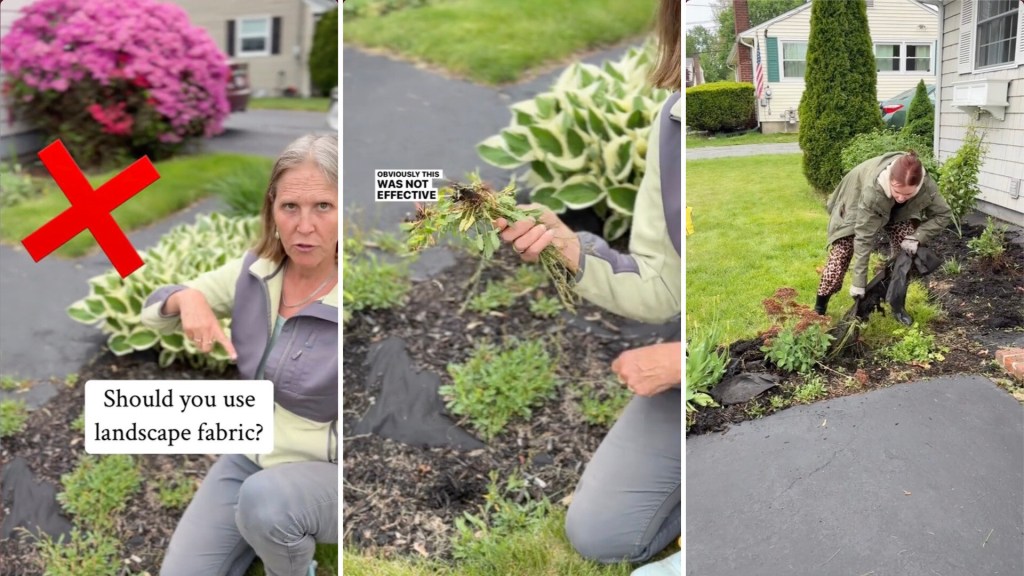
Do not put landscape fabric in places where plants need to grow deep roots. It stops roots from spreading well. Avoid using fabric under heavy plants that need space.
Also, avoid using fabric in areas with a lot of foot traffic. Fabric can wear out quickly and tear.
Ignoring Drainage Needs
Landscape fabric can block water if placed incorrectly. Poor drainage causes water to pool and harm plants. Always check if water can pass through before installing fabric.
Use fabric that allows water flow. Avoid covering drainage holes or slopes where water needs to run off.
Overlapping And Cutting Errors
Overlap fabric pieces too little or too much, and weeds will grow through gaps or cause fabric bunching. Cut fabric without care to fit shapes, and it can tear easily.
- Overlap fabric edges by 6 to 12 inches
- Cut fabric cleanly with sharp scissors or knife
- Secure fabric edges with stakes or pins
Maintenance And Longevity
Landscape fabric helps keep your garden neat and weed-free. Taking care of it can make it last longer.
Proper maintenance ensures the fabric works well and stays strong for many seasons.
Regular Inspection
Check your landscape fabric often for signs of wear. Look for tears, holes, or areas where soil or weeds appear.
- Inspect fabric every few months
- Remove debris like leaves and sticks
- Look for spots where fabric may shift
- Check edges to ensure they stay pinned
Handling Damage
Small holes or tears can let weeds grow through. Fix damage quickly to keep fabric effective.
Use landscape fabric patches or staples to repair damaged areas. Keep the fabric flat and secure.
Replacing Fabric
Over time, fabric breaks down and loses strength. Replace it if it no longer blocks weeds well.
| Signs You Need New Fabric | What to Do |
| Large tears or many small holes | Remove old fabric and install new fabric |
| Weeds growing through fabric | Check for damage and patch or replace |
| Fabric becomes brittle or breaks easily | Replace with fresh material |
Alternatives To Landscape Fabric
Landscape fabric helps control weeds and keeps soil healthy. Some people want other choices that work well in gardens.
Here are some good alternatives to landscape fabric you can use around plants and paths.
Mulching Options
Mulch covers soil to stop weeds and hold moisture. It also makes gardens look neat and healthy.
Common mulch types include wood chips, straw, and shredded leaves. They break down slowly and add nutrients to soil.
- Wood chips: last long and look natural
- Straw: light and easy to spread
- Shredded leaves: improve soil as they decay
- Compost: feeds plants and controls weeds
Natural Weed Barriers
Natural weed barriers stop weeds without plastic fabric. They help soil breathe and keep water flowing.
Materials like newspaper or cardboard work well. Lay them in layers and cover with mulch to hide the paper.
- Newspaper: wet it and place 5-10 sheets thick
- Cardboard: cut to size and overlap edges
- Newspaper and cardboard break down naturally
- Cover with mulch to keep paper in place
Ground Covers
Ground cover plants spread over soil to block weeds. They add color and texture to gardens.
Choose low-growing plants that fit your climate. They reduce maintenance and protect soil from erosion.
- Creeping thyme: fragrant and drought-tolerant
- Ajuga: colorful leaves and flowers
- Periwinkle: evergreen and fast-growing
- Sweet woodruff: shade-loving and fragrant

Credit: mulchpros.com
Frequently Asked Questions
What Is The Primary Use Of Landscape Fabric?
Landscape fabric prevents weed growth by blocking sunlight. It allows water and air to pass through. This helps plants grow better while reducing garden maintenance.
When Should I Install Landscape Fabric In My Garden?
Install landscape fabric before laying mulch or gravel. It works best in new garden beds or pathways. Early installation improves weed control and soil moisture retention.
Can Landscape Fabric Be Used Under Patios Or Walkways?
Yes, landscape fabric is ideal under patios and walkways. It prevents weed growth and stabilizes the base material. This extends the life of hardscaping surfaces.
How Long Does Landscape Fabric Typically Last Outdoors?
Quality landscape fabric lasts around 5 to 10 years. Exposure to sunlight and weather affects its durability. Using mulch on top can extend its lifespan.
Conclusion
Choosing the right time to use landscape fabric helps keep your garden neat. It stops weeds from growing and saves you effort. Use it under mulch or stones for best results. Avoid using fabric where plants need room to spread roots.
Remember, landscape fabric works best in dry, stable areas. Keep your garden healthy and low-maintenance with smart fabric use. Simple steps lead to a beautiful outdoor space. Try it and watch your garden improve.