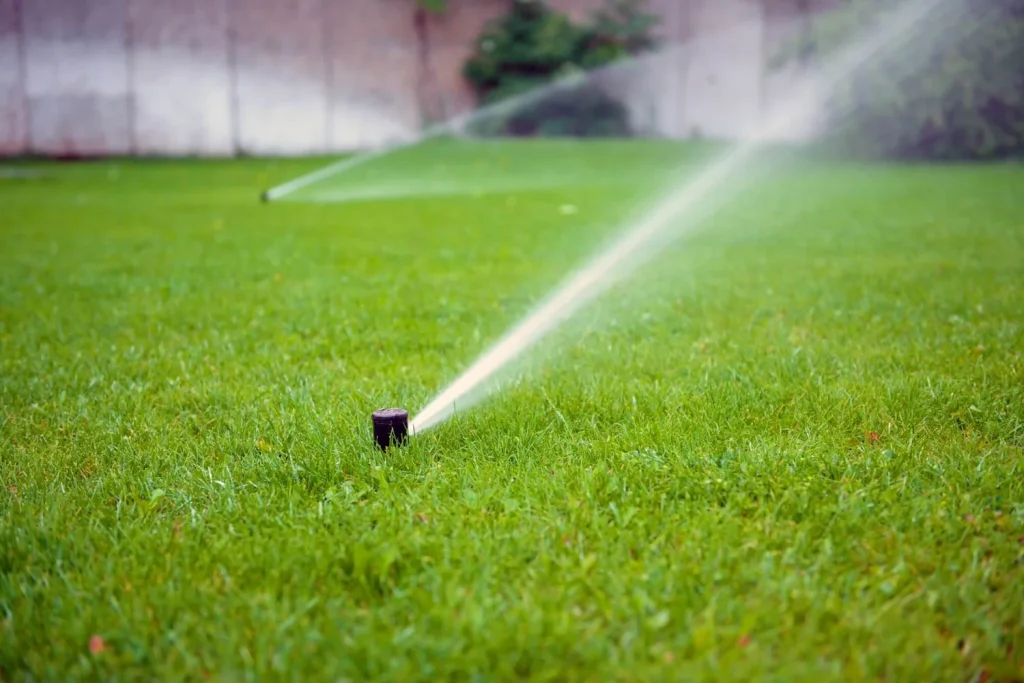
Picture this: It’s a chilly winter morning, and you suddenly realize that your sprinkler system might be in danger of freezing. You’ve invested time and money into keeping your lawn lush and green, and the last thing you want is for the cold to wreak havoc on your system.
But when should you really start to worry about your sprinkler system freezing? Understanding the signs and knowing the right time to take action can save you from costly repairs and ensure your system remains in top shape. We’ll guide you through the key indicators that signal potential freezing issues and offer practical tips to protect your investment.
Keep reading to discover how you can keep your sprinkler system safe and functioning, even when temperatures drop.
Signs Of Sprinkler System Freezing
Sprinkler system freezing can cause serious damage to your irrigation setup. Catching signs early helps prevent costly repairs. Here are key signs to watch for in cold weather.
Unusual Noises During Operation
Strange sounds like banging or clanking may indicate ice inside pipes. Ice blocks water flow, causing pressure changes. These noises often happen when sprinklers turn on or off.
Reduced Water Pressure
Low water pressure can mean frozen sections in the system. Ice narrows pipes, slowing water movement. If sprinklers spray weakly or unevenly, freezing might be the cause.
Visible Ice Formation
Ice on sprinkler heads or pipes is an obvious warning. Look for frost or thick ice buildup around components. This confirms freezing and risk of pipe damage.
Cracks And Leaks In Pipes
Freezing water expands and can crack pipes. Notice any wet spots or puddles near sprinkler lines. Cracks cause leaks, reducing system efficiency and causing water waste.
Weather Conditions That Increase Freezing Risk
Understanding the weather conditions that increase the risk of your sprinkler system freezing is crucial to avoid costly damage. Freezing can happen not just when temperatures are below zero but under specific weather patterns that accelerate heat loss in your system. Knowing these details can help you decide when to take preventive actions.
Temperature Thresholds To Watch
Sprinkler systems are vulnerable when temperatures drop to around 32°F (0°C) or lower. However, damage can start even slightly above freezing if the cold persists long enough. Pay close attention to forecasts predicting sustained cold spells rather than just single cold nights.
Have you noticed how a few degrees difference can change everything? For example, a night at 31°F might freeze your pipes, but 33°F often won’t. This small range is critical for your system’s safety.
Impact Of Sudden Temperature Drops
Rapid temperature drops can catch your sprinkler system off guard. If the temperature plunges quickly after a mild day, water inside the pipes may not have drained or settled, increasing freeze risk. Sudden cold snaps are more dangerous than gradual cooling because your system has less time to adjust or shut down.
Think about a day when it was comfortably above freezing, and then the temperature suddenly fell overnight. Without warning, your sprinkler pipes can freeze, causing cracks and leaks. Are you monitoring weather changes closely enough to respond fast?
Effect Of Wind And Humidity
Wind speeds can intensify freezing by stripping away the thin layer of warm air around your sprinkler pipes. High winds in cold weather make the freezing process faster and more severe. Similarly, low humidity dries out the surrounding environment, which can cause water inside pipes to freeze more rapidly.
On windy, chilly days, even temperatures just below freezing can do more harm than calm, cold nights. Have you checked if your sprinkler system is exposed to open areas prone to strong winds? Adding wind barriers or insulation might be necessary to protect your setup.
Preventive Measures Before Winter
Preparing your sprinkler system for winter prevents costly damage and ensures smooth operation in spring. Taking steps before freezing temperatures arrive protects pipes from cracking and bursting. Simple actions can save money and time on repairs later.
Proper Drainage Techniques
Drain water fully from sprinkler pipes to stop freezing inside. Use blowout methods with an air compressor to clear water. Avoid leaving any moisture trapped in the system. Proper drainage reduces pressure and prevents pipe bursts.
Using Insulation On Pipes
Wrap exposed pipes with foam or fiberglass insulation sleeves. Insulation blocks cold air and keeps pipes warmer. Secure insulation tightly to avoid gaps where cold can enter. This step helps maintain temperature above freezing.
Installing Automatic Drain Valves
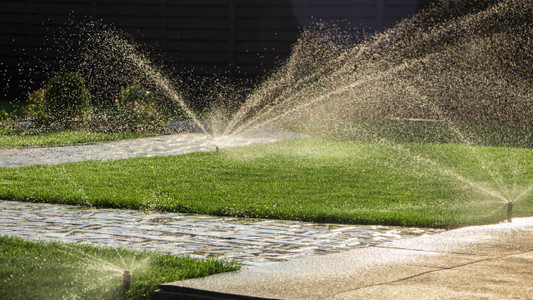
Automatic drain valves release water when pressure drops. They activate during freezing conditions to empty pipes. Installing these valves reduces manual work and prevents ice buildup. They add reliable protection during cold weather.
Credit: www.dripworks.com
Emergency Steps When Freezing Is Suspected
Suspecting your sprinkler system is freezing can be stressful. Acting quickly can prevent costly damage and keep your system functioning smoothly. Knowing the right emergency steps helps you respond effectively and protect your property.
Shutting Off The Water Supply
The first thing you should do is shut off the water supply to your sprinkler system. This stops water from flowing into the frozen pipes and reduces the risk of bursts.
Locate the main valve and turn it off immediately. If you’re unsure where it is, check near the water meter or the system’s control box.
Have you checked this valve recently? It’s easier to find and operate before an emergency hits.
Careful Thawing Methods
Once the water is off, you need to thaw frozen pipes carefully. Avoid using open flames or high heat sources that can damage pipes or cause fires.
Use warm towels, a hair dryer on low heat, or space heaters at a safe distance. Move the heat slowly along the pipe, focusing on the coldest spots.
Patience is key—rushing this step can lead to cracks or leaks.
When To Call A Professional
If you notice cracks, leaks, or if the pipes remain frozen after gentle thawing, it’s time to call a professional. Sprinkler systems can be complex, and improper repairs might cause bigger issues.
Sometimes, hidden damage isn’t visible to the naked eye. An expert can assess the situation, prevent further damage, and restore your system safely.
Do you have a trusted irrigation specialist’s number saved? Having one ready can save time and stress during emergencies.
Maintenance Tips To Avoid Future Freezing
Keeping your sprinkler system safe from freezing requires regular care. Simple maintenance steps help avoid costly damages and ensure your system works well year-round. Taking action before winter saves time and money on repairs.
Regular System Inspections
Check your sprinkler system often. Look for leaks, broken parts, or signs of wear. Inspect valves, pipes, and sprinkler heads carefully. Catching problems early stops water from freezing inside the pipes. Use a checklist to track each inspection.
Winterizing Your Sprinkler System
Drain all water from the system before cold weather arrives. Use an air compressor to blow out water from pipes and sprinkler heads. Shut off the main water supply and remove backflow devices. Cover exposed parts to protect against frost and ice.
Upgrading To Freeze-resistant Components
Replace old parts with freeze-resistant models. Use insulated valve boxes and frost-proof sprinkler heads. Choose pipes made from durable materials that resist cracking. Investing in these upgrades reduces the risk of damage during cold months.

Credit: www.pmmag.com
Credit: rainscapes.com
Frequently Asked Questions
What Causes Sprinkler Systems To Freeze In Winter?
Sprinkler systems freeze when water inside pipes drops below 32°F. Cold temperatures cause water expansion, leading to pipe damage and leaks. Proper insulation and winterizing can prevent freezing and costly repairs.
How Can I Prevent My Sprinkler System From Freezing?
Drain your sprinkler system before winter. Use insulation on exposed pipes and install freeze sensors. Scheduling professional winterization helps protect pipes from freezing and bursting during cold weather.
When Should I Worry About Sprinkler System Freezing Damage?
Worry if pipes show cracks, leaks, or no water flow after freezing temperatures. Early damage signs include wet spots or low water pressure. Prompt repair avoids costly replacements and water waste.
Can Sprinkler System Freezing Affect Home Water Supply?
Yes, frozen sprinkler pipes can cause leaks affecting the main water supply. Cross-contamination or pressure drops may occur. Regular maintenance ensures sprinkler systems don’t compromise overall home water safety.
Conclusion
Sprinkler system freezing can cause serious damage to your home. Watch for signs like cracks or leaks in pipes. Act quickly to drain or insulate your system before cold weather hits. Regular maintenance helps prevent freezing problems. Protect your sprinkler to save money on repairs.
Stay alert during winter months to keep your system working well. Taking small steps now avoids big headaches later. Keep your sprinklers safe and your yard healthy all year.