When transporting cylinders containing used refrigerant, DOT requires that you follow specific rules to keep yourself and others safe. If you don’t know these rules, you could face fines or even accidents.
But don’t worry—this article will guide you step-by-step through what you need to do. By the end, you’ll feel confident handling and transporting these cylinders the right way every time. Keep reading to protect your safety and avoid costly mistakes.
Credit: acprosite.com
Dot Safety Rules For Refrigerant Cylinders
Transporting cylinders with used refrigerant demands strict adherence to DOT safety rules. These rules protect handlers, the public, and the environment from risks. Understanding these regulations ensures safe and legal transport of refrigerant cylinders.
Regulatory Requirements
The Department of Transportation (DOT) mandates strict rules for transporting refrigerant cylinders. Only approved containers can be used. Drivers and handlers must follow federal and state laws. Proper training on handling hazardous materials is essential. Violations can lead to fines and legal trouble.
Labeling And Documentation
Cylinders must have clear, visible labels. Labels show the type of refrigerant and hazard warnings. Documentation should include shipping papers with details about the contents. These documents travel with the shipment. Proper labeling and paperwork help emergency responders act quickly if needed.
Cylinder Specifications
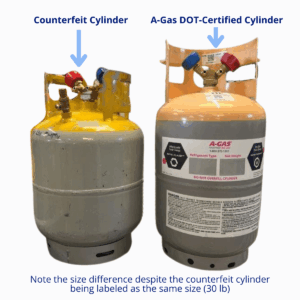
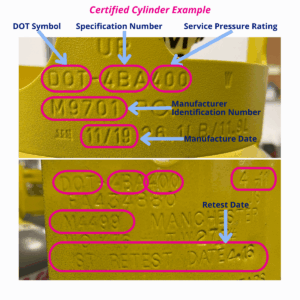
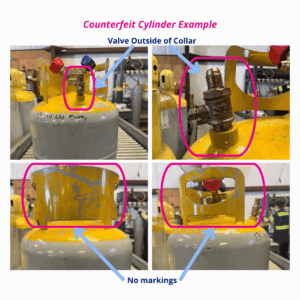
DOT requires cylinders to meet specific design and testing standards. Cylinders must be strong enough to hold pressure safely. Regular inspections and certifications are necessary. Damaged or expired cylinders must not be used. Proper valves and caps keep the contents secure during transport.
Credit: hvacinsider.com
Preparing Cylinders For Transport
Preparing cylinders for transport is essential to ensure safety and compliance with DOT regulations. Proper preparation prevents leaks, protects handlers, and avoids environmental hazards. Each cylinder must be carefully checked and secured before shipment.
Handling used refrigerant cylinders with care reduces risks during transport. Following specific steps helps maintain cylinder integrity and keeps everyone safe.
Inspection Procedures
Begin by examining the cylinder for dents, rust, or damage. Check the valve and body for cracks or deformities. Ensure the cylinder is within its test date and not expired. Verify labels and markings are clear and legible.
Any damaged or expired cylinder must not be transported. Use a checklist to confirm all inspection points are met. Proper inspection is critical to avoid accidents during transport.
Leak Detection
Check the cylinder for leaks using an approved leak detection method. Apply a soap solution around the valve and connections and watch for bubbles. Use electronic leak detectors for more accuracy if available.
Leaks can cause dangerous refrigerant release. If a leak is found, repair or replace the cylinder before transport. Never transport a leaking cylinder.
Proper Sealing Techniques
Close the cylinder valve tightly to prevent refrigerant escape. Install valve caps or plugs to protect the valve from damage. Use tamper-evident seals for added security during transport.
Ensure all seals are intact and secure. Proper sealing prevents leaks and contamination. Always follow DOT guidelines for sealing used refrigerant cylinders.
Handling And Loading Guidelines
Handling and loading cylinders containing used refrigerant require attention to detail and strict adherence to safety protocols. Improper handling can lead to leaks, accidents, or damage to the cylinders, which can be costly and dangerous. Understanding how to lift, secure, and protect these cylinders during transit ensures compliance with DOT regulations and keeps everyone safe.
Safe Lifting Practices
Always assess the weight of the cylinder before lifting to avoid strains or injuries. Use mechanical aids like dollies or forklifts whenever possible, especially for heavy cylinders.
Keep the cylinder upright and close to your body when lifting by hand. This reduces the risk of dropping it and helps maintain your balance.
Ask yourself: Are you lifting with your legs and not your back? This simple habit can prevent serious injuries and keep your workday on track.
Securing Cylinders During Transit
Make sure cylinders are firmly secured in an upright position to prevent rolling or tipping. Use straps, chains, or appropriate racks designed for cylinder transport.
Check the vehicle’s floor for any debris or moisture that might cause slipping. A clean, dry surface helps keep cylinders stable during the journey.
Have you checked the tightness of your securing devices before every trip? It’s a small step that can avoid major problems on the road.
Avoiding Physical Damage
Keep cylinders away from sharp edges and rough surfaces that could dent or puncture them. Use padding or protective barriers if necessary.
Handle cylinders gently—dropping or banging them can weaken their structure and lead to leaks. Treat each cylinder as a fragile item, even if it feels sturdy.
Are you inspecting cylinders for damage before and after transport? Spotting issues early can save you from costly repairs and safety hazards.
Vehicle Requirements And Restrictions
Transporting cylinders with used refrigerant demands strict vehicle standards. The Department of Transportation (DOT) enforces rules to ensure safety during transit. Vehicles must meet specific requirements to handle these hazardous materials properly. This section outlines the key vehicle requirements and restrictions to follow.
Approved Transport Vehicles
Only certain vehicles are allowed to carry used refrigerant cylinders. They must be designed to secure heavy, pressurized containers safely. Trucks with flatbeds or enclosed cargo spaces that prevent cylinder movement are preferred. Vehicles must comply with DOT regulations for hazardous materials transport. Proper labeling and placards are mandatory on approved vehicles.
Ventilation And Temperature Controls
Good airflow is essential inside the vehicle to prevent gas buildup. Used refrigerant can leak, so ventilation reduces risk of dangerous fumes. The cargo area should have vents or openings to allow fresh air circulation. Temperature must stay within safe limits to avoid cylinder damage. Overheating or freezing can weaken cylinder integrity and cause leaks.
Emergency Equipment Onboard
Vehicles must carry emergency tools and safety gear during transport. Fire extinguishers rated for chemical fires are required. Spill containment kits help manage leaks or accidental releases. Drivers should have access to protective gloves and goggles. Emergency communication devices must be functional to call for help quickly. These precautions reduce hazards and protect everyone on the road.
Emergency Response And Spill Procedures
Handling cylinders with used refrigerant requires strict emergency response and spill procedures. These protocols protect people, property, and the environment. Quick and calm reactions reduce risks during leaks or spills. Understanding these steps ensures safety and compliance with DOT regulations.
Immediate Actions In Case Of Leaks
Stop the source of the leak if it is safe. Move away from the leak area to fresh air. Avoid breathing refrigerant vapors. Use appropriate personal protective equipment like gloves and goggles. Ventilate the area by opening windows or using fans. Do not use open flames or sparks near the leak. Secure the cylinder to prevent further damage.
Reporting Incidents
Notify your supervisor or safety officer immediately. Call emergency services if there is a large spill or injury. Provide clear details about the incident location and type of refrigerant. Document the incident with photos and written reports. Follow company protocols for reporting hazardous material spills. Keep records for regulatory compliance and future reference.
First Aid Measures
- Move the affected person to fresh air immediately.
- If inhaled, seek medical help if symptoms appear.
- For skin contact, wash with soap and water.
- If refrigerant contacts eyes, flush with water for 15 minutes.
- Do not induce vomiting if ingested; get medical help.
- Stay calm and provide reassurance to the injured person.

Credit: www.achrnews.com
Training And Certification For Handlers
Handling cylinders with used refrigerant requires special knowledge and skills. Proper training ensures safe transport and compliance with DOT regulations. Certified handlers reduce risks of leaks, accidents, and environmental harm. Training covers handling techniques, safety protocols, and emergency response. Certification proves that handlers meet legal and safety standards. Ongoing education keeps handlers updated on new rules and best practices.
Required Training Programs
DOT requires handlers to complete specific training programs. These programs focus on:
- Safe handling and transportation of used refrigerants
- Identification of hazardous materials
- Proper use of personal protective equipment
- Emergency procedures in case of leaks or spills
Training often includes both classroom lessons and hands-on practice. Employers must ensure all employees handling refrigerants attend these sessions regularly.
Certification Standards
Certification confirms that handlers understand and apply safety rules. It involves passing written and practical tests. The EPA Section 608 certification is a common requirement. DOT also mandates compliance with Hazardous Materials Regulations (HMR). Valid certification must be maintained and renewed as per guidelines. This process ensures handlers stay competent and aware of changes.
Ongoing Safety Education
Safety education is not a one-time event. Regular refresher courses help maintain knowledge and skills. These sessions cover updates in laws, new equipment, and improved safety methods. Continuous learning reduces accidents and promotes a safety culture. Employers should schedule training sessions at least once a year. This commitment protects workers and the environment alike.
Penalties For Non-compliance
Failing to comply with DOT regulations when transporting cylinders containing used refrigerant can lead to serious consequences. These penalties are designed to ensure safety and environmental protection. Understanding them can help you avoid costly mistakes and maintain smooth operations.
Fines And Legal Actions
The Department of Transportation imposes heavy fines for non-compliance. These fines can range from a few thousand to tens of thousands of dollars per violation. In some cases, repeated offenses may lead to criminal charges or legal action against your company.
Imagine receiving a sudden notice of a $20,000 fine because a cylinder was improperly labeled. That unexpected expense can hurt your cash flow and reputation. Are you confident your team double-checks all labels and documentation before transport?
Impact On Business Operations
Non-compliance can disrupt your entire supply chain. Authorities may detain shipments or suspend your transportation permits until issues are resolved. This can cause delivery delays, loss of customer trust, and missed deadlines.
Think about the ripple effect when a single violation holds up your products. Your clients may look elsewhere, and your contracts could be at risk. How prepared is your business to handle such disruptions without losing momentum?
Preventive Measures
To avoid penalties, implement strict compliance checks before transport. Train your staff on DOT requirements, including proper cylinder labeling, packaging, and documentation. Regular audits can catch errors early and keep your processes sharp.
- Use checklists to verify cylinder conditions and paperwork.
- Invest in employee training focused on hazardous materials handling.
- Maintain clear records of all shipments for easy reference.
Have you considered how a small change, like a standardized checklist, could prevent costly fines? Taking proactive steps today saves your business from expensive setbacks tomorrow.
Frequently Asked Questions
What Are Dot Requirements For Transporting Used Refrigerant?
The DOT requires proper labeling and packaging of cylinders containing used refrigerant. Ensure compliance with the Hazardous Materials Regulations. Use approved containers and label them accurately. Secure cylinders during transport to prevent accidents. Follow all DOT guidelines to ensure safety and legality.
Always check for the latest DOT updates.
How Should Refrigerant Cylinders Be Labeled During Transport?
Refrigerant cylinders must be labeled with the correct UN number and hazard class. Ensure visibility and clarity of labels. Labels should indicate the type of refrigerant and its hazards. Proper labeling ensures compliance and safety. Inaccurate or missing labels can lead to penalties.
Always verify labels before transportation.
Why Is Cylinder Packaging Important For Transport?
Proper packaging prevents leaks and ensures safe handling of refrigerant cylinders. Use DOT-approved containers for safety. Secure packaging minimizes the risk of accidents during transport. Properly packaged cylinders comply with regulations, reducing liability. Always inspect packaging before shipping to ensure integrity and compliance.
Protect the environment by following packaging guidelines.
Can Used Refrigerant Be Transported Without Dot Compliance?
Transporting used refrigerant without DOT compliance is illegal and unsafe. Non-compliance can lead to penalties and environmental harm. DOT regulations ensure safe and lawful transportation. Always adhere to DOT guidelines for peace of mind. Compliance protects the environment and your business reputation.
Regularly review DOT standards for updates.
Conclusion
Transporting cylinders with used refrigerant requires careful attention to DOT rules. Always check cylinder labels and secure them properly. Use approved containers and avoid leaks to ensure safety. Keep paperwork ready to avoid delays or fines. Following these steps protects people and the environment.
Safety and compliance go hand in hand. Stay informed and prepared every time you transport refrigerant cylinders. Simple actions make a big difference.