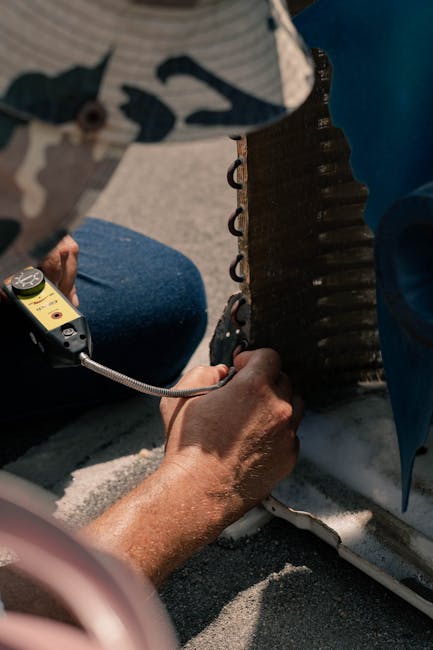
When you’re repairing a sealed refrigeration system, using nitrogen can make a huge difference. But why is nitrogen the go-to choice, and how can it help you avoid costly mistakes?
Understanding the role of nitrogen in your repair process isn’t just technical—it’s key to ensuring your system runs smoothly and lasts longer. You’ll discover exactly how nitrogen works in repairs, the benefits it offers, and the best practices to follow.
Keep reading to learn how this simple gas can protect your system and save you time and money.
Benefits Of Nitrogen In Refrigeration Repairs
Nitrogen plays a crucial role in repairing sealed refrigeration systems. Using nitrogen gas during repairs helps keep the system clean, safe, and functioning properly. Understanding the specific benefits can help you make better choices and avoid common pitfalls in refrigeration maintenance.
Preventing Contamination
Contamination can cause major problems in refrigeration systems, such as corrosion or blockages. Nitrogen is an inert gas, which means it doesn’t react with moisture, oil, or other substances inside the system.
By flushing the system with nitrogen, you remove air and moisture that could introduce contaminants. This simple step protects your system from damage and extends its lifespan. Have you ever noticed how a small amount of moisture can lead to expensive repairs?
Enhancing Leak Detection
Nitrogen is excellent for pressure testing sealed systems to find leaks. When you fill the system with nitrogen at a specific pressure, you can monitor for pressure drops that signal leaks.
This method is more accurate than using air because nitrogen is dry and won’t cause corrosion during the test. You can spot even the smallest leaks before they cause serious damage. How confident are you in your current leak detection process?
Maintaining System Integrity
Maintaining the integrity of a refrigeration system means ensuring it remains airtight and moisture-free after repairs. Nitrogen helps by providing a clean, dry environment during and after the repair process.
Using nitrogen prevents oxidation and contamination that can degrade refrigerants and system components. This means fewer breakdowns and smoother operation. Would you prefer a repair that lasts longer and avoids repeated visits?
Preparing The System For Nitrogen Use
Preparing the refrigeration system for nitrogen use is essential before starting any repair work. Proper preparation helps avoid damage and ensures the system functions correctly after repairs. This process requires attention to detail and careful handling of equipment.
Using nitrogen safely and effectively demands the right tools and clear steps. Following safety rules protects both the system and the technician. Evacuating the system correctly is crucial to remove moisture and contaminants.
Ensuring Proper Equipment
Use high-quality nitrogen regulators and gauges. Check hoses for cracks or leaks before connecting. The nitrogen source should be clean and dry. Select equipment rated for the system’s pressure level. Always keep a backup set of tools ready.
Safety Precautions
- Wear safety goggles and gloves during the process.
- Work in a well-ventilated area to prevent gas buildup.
- Secure nitrogen cylinders to avoid tipping or falling.
- Never exceed the recommended pressure for the system.
- Keep a fire extinguisher nearby as a precaution.
System Evacuation Steps
Start by closing all valves on the refrigeration system. Connect the nitrogen line to the system’s service port. Slowly open the nitrogen valve to pressurize the system. Monitor pressure gauges carefully to avoid overpressure.
Flush the system with nitrogen to remove air and moisture. Repeat flushing until the moisture level is acceptable. After flushing, close the nitrogen valve and disconnect equipment. Ensure the system is sealed tightly before proceeding with repairs.
Applying Nitrogen During Repairs
Applying nitrogen during repairs of a sealed refrigeration system helps maintain system integrity. Nitrogen is an inert gas that prevents contamination and moisture entry. Using nitrogen allows technicians to safely test and repair without damage to the system.
The process involves pressurizing the system with nitrogen and monitoring for leaks or weak points. This ensures the system remains sealed and ready for optimal performance after repairs. Proper application of nitrogen improves repair quality and extends system life.
Pressure Testing Procedures
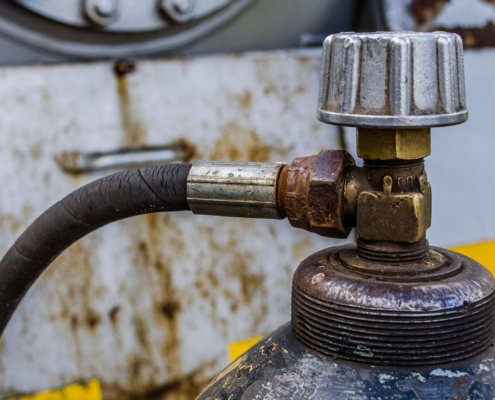
Start by connecting a nitrogen cylinder to the system. Slowly open the valve to fill the system with nitrogen. Pressurize the system to the recommended pressure level, usually between 100 and 150 psi. Use a pressure gauge to monitor the pressure during the test.
Watch for pressure drops, which indicate leaks. Maintain pressure for at least 15 minutes to confirm system integrity. Release pressure carefully after the test to avoid damage.
Flow Rate Recommendations
Keep the nitrogen flow rate steady and low during repairs. A flow rate of 0.5 to 1 cubic feet per minute (CFM) is ideal. Too high a flow rate can disturb the system and cause false leak detection. Too low a flow rate may not purge contaminants effectively.
Adjust the flow to maintain system pressure without overfilling. Use a flow regulator to control the nitrogen supply accurately.
Avoiding Common Mistakes
- Do not over-pressurize the system; it can cause damage.
- Avoid using nitrogen without a regulator; pressure control is essential.
- Never connect nitrogen directly without purging the lines first.
- Do not rush the pressure test; allow enough time for accurate results.
- Ensure all connections are tight to prevent leaks during testing.
Credit: www.oxygenservicecompany.com
Post-repair Checks With Nitrogen
Post-repair checks using nitrogen are crucial to ensure your sealed refrigeration system works flawlessly after maintenance. These checks help confirm there are no leaks, the system is dry, and pressure is stable. Skipping these steps can lead to costly issues down the line.
Leak Verification
After repairs, using nitrogen to test for leaks is highly effective. Nitrogen is inert and dry, so it won’t damage the system or react with refrigerants. By pressurizing the system with nitrogen and applying a leak detector or soapy water, you can quickly spot any escaping gas.
Have you ever experienced a frustrating repeat leak? Nitrogen testing helps prevent that by catching leaks early. Make sure to check all joints, valves, and connections carefully.
System Drying Techniques
Moisture inside the refrigeration system can cause corrosion and reduce efficiency. Nitrogen assists in drying by flushing out moisture and contaminants. Passing dry nitrogen through the system several times helps remove trapped water vapor effectively.
To enhance drying, consider using nitrogen at slightly higher flow rates but controlled pressure. This process is faster and more thorough than vacuum drying alone. Remember, a dry system will perform better and last longer.
Final Pressure Stabilization
Once leak verification and drying are done, stabilizing the system pressure with nitrogen is the next step. This ensures the system holds pressure without fluctuations, indicating a good seal. You can monitor pressure over a set period to confirm stability.
Have you noticed pressure drops after a repair? That’s a sign to recheck for leaks or moisture. Using nitrogen for final pressurization provides confidence before adding refrigerant back into the system.
Troubleshooting Common Issues
Troubleshooting common issues is key when using nitrogen in sealed refrigeration systems. Nitrogen helps detect leaks and cleans the system. Yet, some problems can arise during the process. Identifying and solving these issues keeps the system safe and efficient.
Dealing With Moisture
Moisture inside a refrigeration system causes corrosion and ice blockages. Nitrogen flushing helps remove moisture effectively. Use dry nitrogen to avoid adding water vapor. Monitor system pressure for any sudden drops that suggest moisture presence. Always check for moisture with a reliable detector before sealing the system.
Handling Pressure Fluctuations
Pressure changes during nitrogen use can signal leaks or faulty valves. Maintain a steady pressure by controlling the nitrogen flow rate. Sudden drops may mean a leak in the system. Use pressure gauges to track fluctuations closely. Address leaks immediately to prevent system damage and maintain safety.
Addressing Contamination Risks
Contaminants like oil or dirt reduce nitrogen effectiveness and harm system parts. Always use clean, filtered nitrogen gas. Inspect valves and hoses for dirt before starting. Flush the system thoroughly to remove residues. Keep tools and equipment clean to avoid introducing contaminants during repair.

Credit: www.achrnews.com

Credit: www.achrnews.com
Frequently Asked Questions
Why Use Nitrogen In Sealed Refrigeration Repairs?
Nitrogen prevents moisture and contaminants in sealed systems. It ensures a dry, clean environment during repairs. This protects system components and enhances repair quality. Using nitrogen also helps detect leaks effectively.
How Does Nitrogen Detect Leaks In Refrigeration?
Nitrogen pressurizes the system safely without reacting. If pressure drops, a leak exists. It is inert, so it won’t damage components. This method is reliable for identifying even small leaks.
Can Nitrogen Improve Refrigeration System Lifespan?
Yes, nitrogen reduces moisture and corrosion risks. It keeps the system dry and clean during repairs. This prevents damage and extends component life. Regular nitrogen use supports long-term system efficiency.
What Safety Precautions Are Needed When Using Nitrogen?
Use nitrogen in well-ventilated areas to avoid asphyxiation. Wear protective gear like gloves and goggles. Monitor pressure levels carefully to prevent over-pressurization. Follow manufacturer guidelines strictly for safe handling.
Conclusion
Using nitrogen in refrigeration repair ensures system efficiency. It prevents moisture and contaminants. Technicians value its benefits for long-term performance. Proper use reduces system failures. This leads to fewer repairs and lower costs. Safety is crucial when handling nitrogen. Always follow guidelines and use protective gear.
A well-maintained system saves energy and money. It also extends the equipment’s lifespan. Regular checks and maintenance are key. Ensure your system runs smoothly and efficiently. Nitrogen plays a vital role in this process. Keep your refrigeration system reliable with proper care.