
Have you ever wondered when the fishing rod was invented? If you enjoy fishing or are curious about its history, knowing the story behind this simple tool can change how you see your time by the water.
The fishing rod has come a long way, shaping the way you catch fish today. Keep reading to discover the surprising origins of the fishing rod and how it evolved into the essential gear you rely on. This knowledge might just make your next fishing trip even more meaningful.
Origins Of Fishing Rods
Fishing rods have been used by humans for thousands of years. They helped people catch fish for food and survival.
The history of fishing rods shows how tools changed with time and materials. Early rods were simple but effective.
Early Fishing Tools
Before fishing rods, people used basic tools to catch fish. These included hands, nets, and traps made from natural items.
- Hands and fingers to grab fish in shallow water
- Stone or bone hooks tied to lines
- Simple nets woven from plant fibers
- Fish traps made from wood or reeds
These tools were the foundation for creating fishing rods later on.
Ancient Rod Materials
Early fishing rods were made from materials found in nature. These materials shaped the design and use of rods.
| Material | Description |
| Bamboo | Light and strong, used in Asia |
| Wood | Common and easy to shape |
| Reeds | Flexible but less durable |
| Animal bones | Used for hooks and sometimes rods |
These materials allowed early anglers to fish more effectively than with bare hands.

Credit: www.thomasturner.com
Fishing Rods In Ancient Civilizations
Fishing rods have been used for thousands of years. Ancient people invented tools to catch fish more easily.
Many old civilizations created different fishing rod styles. These early rods helped their daily life and food supply.
Egyptian Innovations
Ancient Egyptians used fishing rods made from reed plants. They attached lines with hooks made of bone or wood.
These rods were light and flexible. Egyptians fished in the Nile River for food and trade.
Chinese Contributions
China developed fishing rods with bamboo. Bamboo was strong and easy to shape into long rods.
They also invented fishing reels to wind and unwind the fishing line. This made fishing easier and faster.
- Bamboo rods were lightweight and durable
- Fishing reels helped control the line
- Tools improved fishing in rivers and lakes
Roman And Greek Techniques
Romans and Greeks used wooden rods with fishing lines tied to them. Hooks were made from metal or bone.
They fished in seas and rivers for food and sport. Their rods were simple but effective for catching fish.
Medieval And Renaissance Developments
The fishing rod has a long history that goes back many centuries. During the Medieval and Renaissance times, people made important changes to fishing tools.
These changes helped make fishing easier and more effective. People in Europe worked on new designs and added useful parts to rods.
European Advancements
In Europe, fishing rods became longer and stronger in the Middle Ages. Craftsmen used wood like ash and hazel for better rods.
They added guides made from metal rings to control the fishing line. This helped the line move smoothly and not get tangled.
- Wooden rods became lighter and more flexible
- Metal rings helped guide the line along the rod
- Rods were designed for different types of fishing
Introduction Of Reels
The fishing reel first appeared during the Renaissance period. It was a simple wheel attached to the rod to hold the fishing line.
Reels helped fishermen cast their lines farther and pull fish in more easily. Early reels were made of wood and metal parts.
- Reels stored extra fishing line on a spool
- They allowed smoother casting and retrieving
- Reels evolved into different sizes for various fishing styles
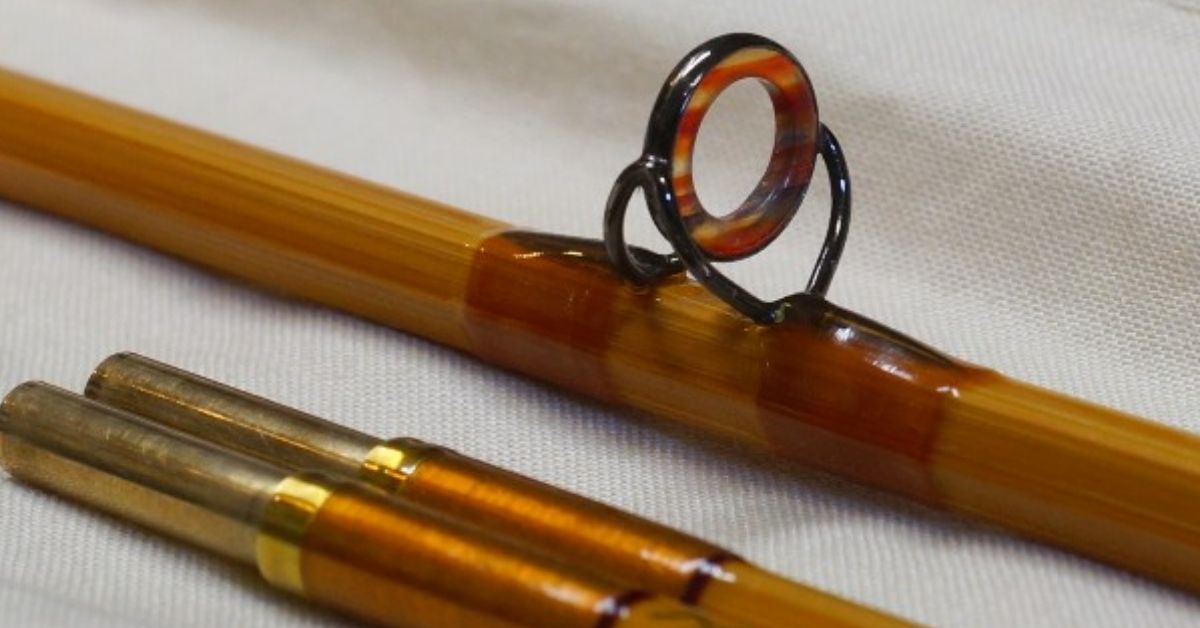
Credit: mysterytacklebox.com
Industrial Revolution And Modern Rods
The fishing rod has changed a lot since it was first invented. The Industrial Revolution helped make rods better and easier to produce. New materials and machines improved fishing tools.
Today, modern rods use advanced materials and are made in large factories. This changed how people fish and how rods are sold worldwide.
New Materials And Manufacturing
The Industrial Revolution introduced metals and new woods for rods. Later, materials like fiberglass and carbon fiber became popular. These materials made rods lighter and stronger.
- Wood was replaced by bamboo and metal parts.
- Fiberglass rods offered more flexibility.
- Carbon fiber rods are very light and durable.
- Mass production allowed use of these new materials.
Mass Production Impact
Factories started making fishing rods in large numbers. This made rods cheaper and easier to find. Many people could now buy good fishing rods.
| Period | Production Method | Effect |
| Before 1800 | Handmade | Expensive and rare rods |
| 1800-1900 | Early machines | Better quality and lower costs |
| 1900-present | Mass production | Wide availability and variety |
Technological Innovations In The 20th Century
The 20th century brought big changes to fishing rods. New materials and designs made rods lighter and stronger. These changes helped anglers catch fish more easily.
Two main areas saw great progress: the rods themselves and the reels used with them. Both became more reliable and better to use.
Fiberglass And Graphite Rods
Early rods were made of wood or bamboo. In the 20th century, fiberglass became popular. It was strong and flexible. Later, graphite rods appeared. They were even lighter and more sensitive.
- Fiberglass rods resist breaking and are easy to handle.
- Graphite rods offer better casting accuracy.
- Both materials last longer than wood rods.
Improved Reel Designs
Reels also changed a lot. New designs made it easier to cast and control the fishing line. Drag systems were improved to stop fish from breaking the line.
| Reel Type | Main Feature | Benefit |
| Spinning Reel | Fixed spool | Easy casting for beginners |
| Baitcasting Reel | Rotating spool | Better control and power |
| Spincast Reel | Closed face | Simple to use and low maintenance |

Credit: mysterytacklebox.com
Fishing Rods Today
Fishing rods have changed a lot since they were first made. Today, they use new materials and designs. These changes help anglers catch fish more easily and comfortably.
Modern rods suit different fishing styles and environments. They offer strength, flexibility, and light weight. This lets people fish for many kinds of fish in many places.
Specialized Rod Types
There are many types of fishing rods made for specific uses. Each type fits a fishing style or target fish. Choosing the right rod can improve the fishing experience.
- Spinning Rods:Good for beginners, easy to use with spinning reels.
- Baitcasting Rods:Designed for accuracy and control with baitcasting reels.
- Fly Rods:Used for fly fishing, flexible and lightweight.
- Surf Rods:Long rods made for casting far from the shore.
- Trolling Rods:Strong rods used for fishing from a moving boat.
Sustainable Materials
New rods use materials that reduce harm to the environment. These materials keep fishing gear strong and light. They help protect nature while fishing.
| Material | Benefit | Examples |
| Bamboo | Renewable and natural | Traditional rods |
| Recycled Carbon Fiber | Strong and eco-friendly | Modern high-end rods |
| Biodegradable Composites | Breaks down in nature | New experimental rods |
| Natural Fibers | Lightweight and renewable | Handle wraps and rod blanks |
Frequently Asked Questions
When Was The Fishing Rod First Invented?
The fishing rod was first invented around 2,000 years ago. Early versions appeared in ancient China and Egypt. These rods were simple, made from bamboo or wood, and used for basic fishing techniques.
Who Invented The Modern Fishing Rod?
The modern fishing rod evolved in England during the 1800s. Innovations like the split bamboo rod and reel improved fishing efficiency. Rod makers like George Snyder contributed to its development.
How Has The Fishing Rod Evolved Over Time?
Fishing rods evolved from simple wooden sticks to advanced composite materials. Modern rods use fiberglass, carbon fiber, and graphite for strength and flexibility. This evolution improved durability and fishing performance.
What Materials Were Used In Early Fishing Rods?
Early fishing rods were made from bamboo, wood, and cane. These materials were lightweight and flexible, suitable for basic fishing needs. Over time, synthetic materials replaced natural ones for better durability.
Conclusion
Fishing rods have a long and fascinating history. From simple sticks to modern designs. They have evolved with human ingenuity. Early anglers used basic tools. Over time, these tools transformed. Now, they feature advanced materials and technology. Fishing rods reflect our connection to nature.
They symbolize patience and skill. Whether for sport or leisure, they remain essential. Their invention marks a significant milestone. It’s a testament to human creativity. Fishing rods continue to bring joy. They connect people to the water. And the thrill of the catch.