Have you ever wondered why your old air conditioner or car’s cooling system stopped using that familiar refrigerant called R12? If you’ve come across this term but don’t know when or why it was banned, you’re not alone.
Understanding when R12 refrigerant was banned is key to knowing how cooling technology changed and what it means for you today. Keep reading to discover the exact timeline, the reasons behind the ban, and how it affects your appliances and the environment.
This knowledge will help you make smarter choices for your cooling needs and stay informed about important environmental changes.
Background Of R12 Refrigerant
R12 refrigerant, also known as dichlorodifluoromethane, was widely used in refrigeration and air conditioning systems. It belongs to the chlorofluorocarbon (CFC) family. These chemicals were popular due to their stability and efficiency. R12 helped cool homes, cars, and commercial spaces for decades.
Despite its benefits, R12 posed serious environmental risks. It contributed to ozone layer depletion. Scientists found that CFCs release chlorine atoms when exposed to ultraviolet light. These atoms destroy ozone molecules, which protect Earth from harmful UV rays. This discovery led to global concern and action.
Development And Early Use Of R12
R12 was first introduced in the 1930s. It replaced earlier refrigerants like ammonia and sulfur dioxide, which were toxic and flammable. R12 was non-toxic, non-flammable, and safe to handle. These qualities made it very popular in household refrigerators and car air conditioners.
Scientists noticed a thinning ozone layer in the 1970s. Research linked this to CFCs, including R12. The chlorine released from R12 damaged the ozone layer. This increased UV radiation reaching the Earth’s surface. The effects included higher skin cancer rates and harm to wildlife.
Regulations And Phase-out Efforts
Governments worldwide started regulating R12 use in the 1980s. The 1987 Montreal Protocol was a major step. It aimed to reduce and eventually stop CFC production. R12 was targeted for phase-out due to its ozone-depleting effects. Alternatives like R134a began replacing R12 in new equipment.

Credit: www.amazon.ca
Environmental Impact Of R12
The environmental impact of R12 refrigerant is a key reason behind its ban and phase-out worldwide. R12, also known as dichlorodifluoromethane, is a chlorofluorocarbon (CFC) that played a major role in damaging the ozone layer. Understanding its effects helps you appreciate why safer alternatives are necessary for your cooling systems.
Ozone Layer Depletion Caused By R12
R12 contains chlorine atoms that break down ozone molecules high in the atmosphere. Each chlorine atom can destroy thousands of ozone molecules, thinning the protective layer that shields Earth from harmful ultraviolet (UV) rays.
This depletion increases the risk of skin cancer, cataracts, and harms marine life. Have you ever considered how your air conditioner might contribute to this global issue?
Global Warming Potential Of R12
Besides harming the ozone, R12 is a potent greenhouse gas. Its global warming potential (GWP) is thousands of times greater than carbon dioxide.
When released into the atmosphere, it traps heat and accelerates climate change. Minimizing leaks and switching to low-GWP refrigerants can reduce your environmental footprint effectively.
Long Atmospheric Lifespan
R12 remains in the atmosphere for decades, causing long-term damage. This persistence means even small leaks today can affect the environment for many years.
Have you checked your equipment for leaks recently? Preventing R12 emissions is crucial for protecting the planet over the long haul.
Impact On Human Health And Ecosystems
Higher UV radiation due to ozone depletion affects both human health and ecosystems. Increased UV can reduce crop yields and disrupt aquatic food chains.
Protecting the ozone layer means safeguarding your food sources and natural habitats. What steps can you take to support this protection in your daily life?
Early Regulations And Restrictions
Early regulations and restrictions on R12 refrigerant marked the beginning of a significant shift in environmental policy. These measures aimed to address growing concerns about ozone layer depletion caused by chlorofluorocarbons (CFCs) like R12. Understanding these initial steps helps you see how regulatory frameworks evolved to protect the planet.
Initial Scientific Discoveries And Their Impact
Scientists first linked CFCs to ozone depletion in the 1970s. Their research showed that chemicals like R12 damaged the ozone layer, which shields Earth from harmful ultraviolet rays.
This discovery triggered concern among policymakers worldwide. You might wonder how quickly governments acted once they understood the risks. The answer varies, but it set the stage for future regulations.
Early International Agreements
The 1985 Vienna Convention was a key starting point. It created a framework for global cooperation to protect the ozone layer but didn’t immediately ban R12.
The real action came with the 1987 Montreal Protocol. This treaty set schedules to phase out CFCs, including R12, by limiting their production and use.
Countries agreed to reduce R12 gradually, recognizing that an abrupt ban could disrupt industries. This showed how environmental goals and economic realities had to be balanced.
National-level Restrictions And Policies
Individual countries started introducing their own rules in the late 1980s and early 1990s. Many banned the use of R12 in new equipment first, while allowing existing systems to run until they could be replaced.
For example, the United States Environmental Protection Agency (EPA) issued regulations under the Clean Air Act to control R12.
These laws encouraged technicians and businesses to switch to safer refrigerants, often providing guidelines and incentives.
Challenges Faced During Early Regulation
Switching away from R12 wasn’t easy. Many industries had to invest in new technology and retrain workers.
Some questioned whether alternatives could match R12’s performance. This slowed adoption and required ongoing support from regulators.
Have you ever faced a situation where changing a familiar product or process felt risky? The early regulation of R12 reflects that tension between innovation and comfort with the known.
Global Ban Timeline
The global phase-out of R12 refrigerant reflects a shared commitment to protect our environment. Different regions took steps at varying times, influenced by local policies and industry readiness. Understanding this timeline helps you see how the world responded to the harmful effects of R12 and why it’s crucial to adapt your systems accordingly.
United States
The U.S. began restricting R12 refrigerant in 1993 under the Clean Air Act Amendments. Production and import of R12 were banned for new equipment by January 1996. However, servicing existing equipment with recycled R12 was allowed for a limited time, ending in 2010.
If you’ve maintained older air conditioning units, you might have noticed the rising costs and scarcity of R12 after these bans. This push made many switch to alternatives like R134a to stay compliant and eco-friendly.
European Union
The European Union started phasing out R12 refrigerant in the early 1990s, aligning with the Montreal Protocol commitments. By 1995, R12 was banned for new refrigeration and air conditioning equipment. Complete discontinuation of R12 for servicing was enforced by 2010.
In your business or home, if you used to rely on R12, the EU’s strict measures likely made you explore newer refrigerants sooner. These regulations were part of a broader strategy to reduce ozone-depleting substances.
Other Countries
Many other countries followed similar paths but with varied timelines. Canada restricted R12 production and imports by 1995. Australia phased out R12 in new equipment by 1996 and banned servicing with R12 by 2010.
Some developing countries had extended deadlines, allowing longer use of R12 to accommodate economic and technical challenges. This staggered approach raises a question: How prepared are you to transition before local bans catch up?
Key Dates In R12 Phase-out
Understanding the key dates in the phase-out of R12 refrigerant helps you grasp how regulations evolved and impacted industries worldwide. These dates mark important shifts in environmental policy and technological changes in refrigeration. Knowing them can guide your decisions if you still work with or encounter R12 systems.
Montreal Protocol Milestones
The Montreal Protocol, signed in 1987, was the global agreement targeting substances that harm the ozone layer, including R12. By 1996, developed countries agreed to phase out R12 production completely. Developing nations followed with a later deadline, aiming to protect the ozone while allowing time to transition.
Have you ever wondered how international cooperation can drive such significant environmental change? The Protocol’s success shows what happens when countries commit to a common goal.
Manufacturing Ban Dates
- 1996:The U.S. and other developed countries stopped manufacturing R12 refrigerant.
- 2010:The manufacturing ban extended to many developing countries.
These bans forced manufacturers and service providers to switch to safer alternatives quickly. If you still have equipment using R12, this timeline reminds you how old that technology is and why replacements or retrofits are necessary.
Import And Export Restrictions
After the manufacturing bans, strict rules on importing and exporting R12 came into effect to prevent illegal trade. The U.S., for instance, banned R12 imports and exports starting in 2004. This measure ensured that no new R12 entered the market, pushing users to find legal, eco-friendly solutions.
Does your current refrigeration system comply with these import and export rules? If not, you might face challenges in servicing or refilling it.

Credit: www.amazon.ca
Alternatives To R12 Refrigerant
R12 refrigerant was once common in cooling systems but is now banned due to its harmful effects on the ozone layer. Finding alternatives is important for safety and environmental reasons. Different refrigerants offer better efficiency and lower environmental impact.
Choosing the right alternative depends on the system type and local regulations. Some alternatives require system modifications, while others fit existing setups easily. Below are popular options to replace R12 refrigerant.
R134a Refrigerant
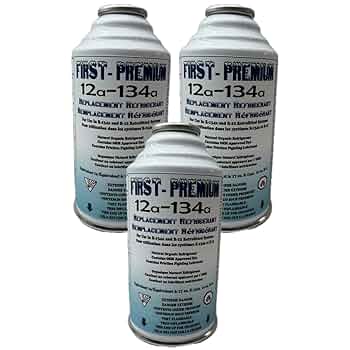
R134a is a common replacement for R12 in many applications. It does not harm the ozone layer. R134a works well in automotive air conditioning and refrigeration systems. It offers good cooling performance but has a higher global warming potential than newer options.
Hydrofluoroolefins (hfos)
HFOs are newer refrigerants with low global warming potential. They do not deplete the ozone layer. HFOs provide efficient cooling and can replace R12 in some systems. These refrigerants are becoming more popular due to environmental benefits.
R22 And Its Phasedown
R22 was once an alternative to R12 but is now being phased out. It has less ozone depletion but still contributes to global warming. R22 requires careful handling and is less favored today due to strict regulations.
Natural Refrigerants
Natural refrigerants like propane (R290) and ammonia (R717) are eco-friendly choices. They have zero ozone depletion and low global warming potential. Using natural refrigerants may require special equipment and safety measures.
Retrofitting With New Refrigerants
Some systems can be retrofitted to use modern refrigerants. Retrofitting involves changing components like seals and lubricants. This process extends equipment life and improves environmental safety.
Impact On Industry And Consumers
The ban on R12 refrigerant marked a significant turning point for both industries and consumers. It forced manufacturers, service providers, and users to rethink their approach to refrigeration and air conditioning. This change brought challenges but also opened doors for innovation and safer alternatives.
Impact On Manufacturers And Service Providers
Manufacturers had to redesign equipment to work with new refrigerants. This meant investing in research and new production lines, which increased costs initially.
Service providers faced the challenge of handling old R12 systems. They needed special certifications and tools to safely recover and dispose of R12, as releasing it into the atmosphere was illegal.
Challenges For Consumers
If you owned a car or appliance with R12, you likely noticed rising maintenance costs. Finding R12 became difficult and expensive as supplies dwindled.
You had to decide whether to retrofit your system to use newer refrigerants or replace it entirely. Both options required a financial commitment and technical know-how.
Environmental And Health Benefits
The ban significantly reduced the release of harmful chlorofluorocarbons (CFCs) into the atmosphere. This helped slow down ozone layer depletion, which benefits everyone’s health and the environment.
By choosing alternatives, you contribute to cleaner air and a safer planet. Isn’t it worth adapting for a healthier future?

Credit: www.amazon.ca
Current Status Of R12 Use
R12 refrigerant, once common in cooling systems, has seen major changes in its use. Its phase-out reflects global efforts to protect the ozone layer. Understanding the current status helps clarify why R12 is rarely used today.
Many countries banned R12 because it harms the environment. The refrigerant’s ozone depletion potential forced governments to act. New alternatives now replace R12 in most applications.
Legal Restrictions On R12 Use
R12 is banned for manufacturing and importing in many regions. Laws prevent its use in new equipment. Existing systems with R12 often require retrofitting or replacement.
Availability Of R12 Refrigerant Today
R12 supplies are very limited. Most production stopped years ago. Only small amounts remain for servicing old systems. Prices for R12 have risen due to scarcity.
Use Of R12 In Older Equipment
Some older air conditioners and refrigerators still use R12. Servicing these units is challenging because of limited refrigerant supply. Many owners convert to newer refrigerants to avoid issues.
Environmental Impact And Regulation Compliance
Using R12 affects the ozone layer negatively. Strict regulations enforce safe disposal and handling. Compliance helps reduce environmental damage from refrigerants.
Future Outlook For Refrigerants
The future of refrigerants is shifting toward safer and greener options. Environmental concerns drive this change. Regulations worldwide push for low global warming potential (GWP) chemicals. Industries and consumers seek efficient and eco-friendly cooling solutions.
New refrigerants must balance performance and environmental impact. Innovation in refrigerant technology continues rapidly. The goal is to reduce harm to the ozone layer and climate.
Emerging Low-gwp Refrigerants
Scientists develop refrigerants with very low GWP values. Hydrofluoroolefins (HFOs) show promise as alternatives. Natural refrigerants like ammonia and carbon dioxide gain popularity. They have minimal impact on global warming.
Regulatory Trends And Global Policies
Many countries follow the Kigali Amendment to phase down HFCs. Stricter rules on refrigerant use and disposal appear globally. Compliance ensures a cleaner atmosphere and better public health.
Technological Advances In Cooling Systems
Improved system designs use refrigerants more efficiently. New equipment reduces leaks and energy consumption. Smart monitoring helps detect and fix issues quickly.
Challenges And Industry Adaptation
Transitioning from old refrigerants requires training and investment. Some alternatives need special handling and equipment. The industry adapts steadily to meet environmental goals.
Frequently Asked Questions
When Was R12 Refrigerant Banned Worldwide?
R12 refrigerant was banned globally under the Montreal Protocol in 1996. The ban aimed to protect the ozone layer. Many countries phased out its production and use to reduce environmental harm.
Why Was R12 Refrigerant Banned?
R12 contains chlorofluorocarbons (CFCs) that deplete the ozone layer. This depletion increases harmful UV radiation reaching Earth. The ban helps prevent ozone damage and protects human health and the environment.
What Replaced R12 Refrigerant After The Ban?
Hydrofluorocarbon (HFC) refrigerants like R134a replaced R12. These alternatives have zero ozone depletion potential. They offer similar cooling performance without harming the ozone layer.
Can Existing R12 Systems Still Be Used?
Existing R12 systems can be used but not refilled with R12. After the ban, only recycled or reclaimed R12 can be used. Converting to newer refrigerants is recommended for efficiency and compliance.
Conclusion
R12 refrigerant was banned to protect the environment. Its harmful effects led to strict regulations. Many countries phased it out by the mid-1990s. Safer alternatives replaced it in cooling systems. The ban has helped reduce ozone layer damage. Understanding this change is vital for those in HVAC fields.
Knowing history helps make informed choices. Use eco-friendly refrigerants for a healthier planet. Stay updated with regulations to ensure compliance. Future generations depend on our actions today. Keep learning and adapting to new standards.