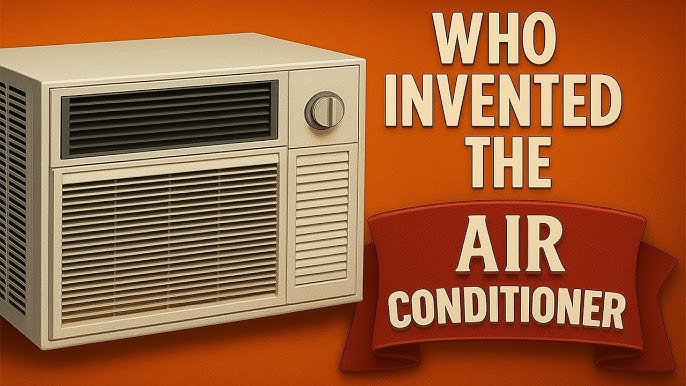
Have you ever wondered when the first air conditioner was made? Imagine how different your life would be without that cool relief on a hot day.
Understanding the origins of air conditioning not only satisfies your curiosity but also shows how this invention changed the way we live and work. You’ll discover the story behind the very first air conditioner and why it matters to your comfort today.
Keep reading to find out how this breakthrough came to be—and how it shaped the modern world around you.
Early Cooling Methods
People have tried to cool down for thousands of years. Ancient Egyptiansused wet mats on windows to lower room temperature. Romansmoved water through walls to cool houses. Fans made from palm leaves helped create breeze.
Before machines, people used simple tricks to stay cool. They built homes with thick walls and small windows. Shade from trees and water nearby also helped. These ideas showed how important airflowand evaporationare for cooling.
Credit: www.chron.com
Invention Of The First Air Conditioner
The first air conditioner was invented by Willis Carrierin 1902. He wanted to control humidity for a printing company. This invention helped keep paper flat and colors clear.
His design used cooling coilsand fansto lower air temperature. It also removed moisture to make the air less damp. This process improved comfort and preserved materials.
The early air conditioner was large and used in factories. It worked by passing air over cold coils. The cooled air was then blown into rooms.
Key parts of the system included:
- Compressor:Pressurized refrigerant to cool air.
- Evaporator coils:Absorbed heat from the air.
- Blower fan:Moved cooled air into spaces.
Development Through The Decades
The first air conditioner was invented in 1902 by Willis Carrier. It was designed to cool air in a printing plant. This invention changed how people stay comfortable in hot weather.
Advancements In Technology
The first air conditioner was invented in 1902. It used a system that cooled air by removing moisture. Over time, air conditioners became smaller and more efficient. New refrigerants replaced old, harmful chemicals. This made air conditioners safer for the environment. Electronics improved, allowing better control of temperature and speed. Modern units use less energy, saving money and power.
Expansion To Commercial Use
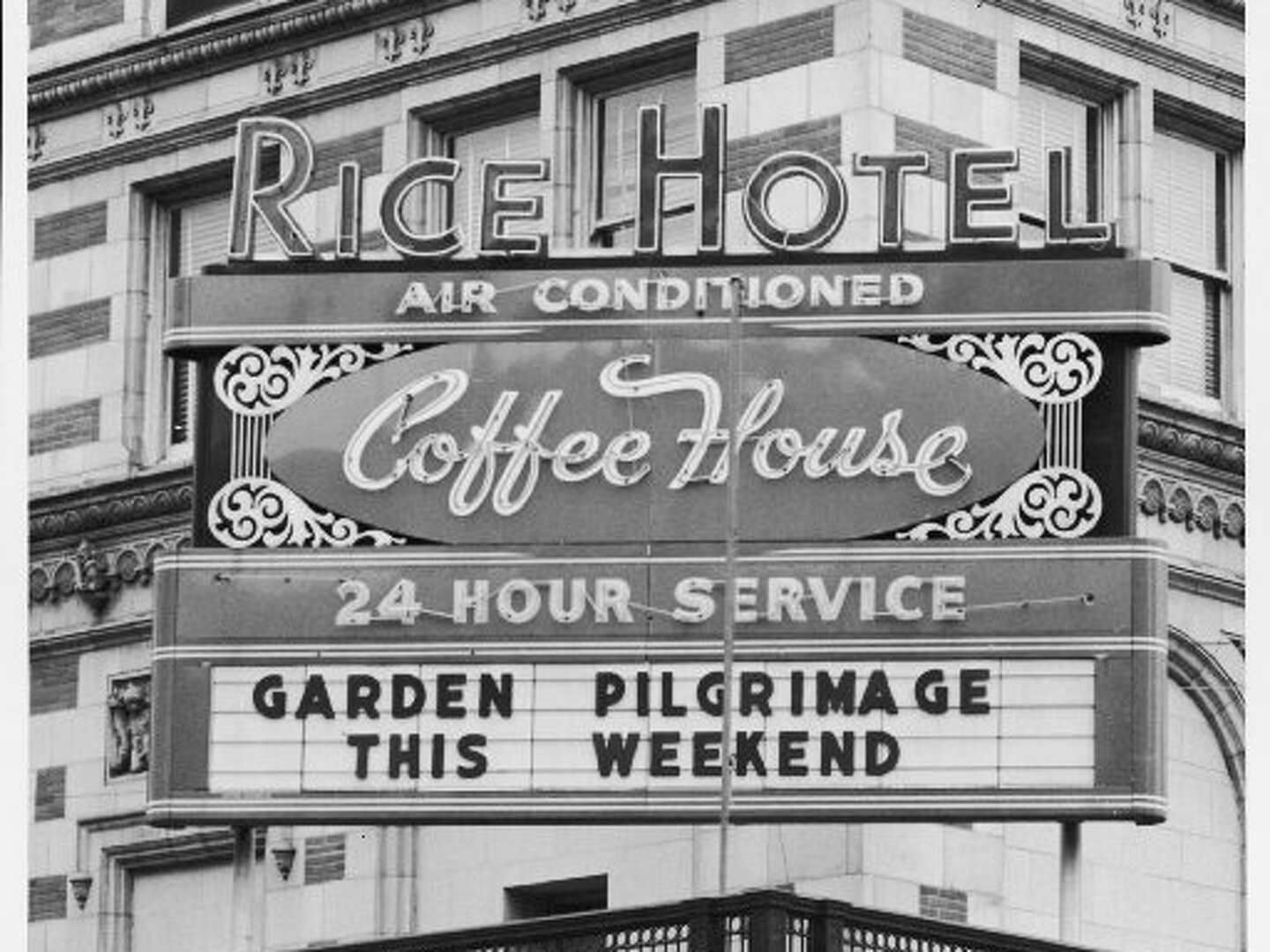
Businesses started using air conditioners in the 1920s. Movie theaters and offices became cool and comfortable. This helped people work and relax better. Factories also used air conditioning to protect machines and products. Over decades, air conditioning spread to homes. Today, it is common in many countries. It changed how people live and work.

Credit: www.aljazeera.com
Impact On Society And Industry
The first air conditioner changed how people live and work by making indoor spaces cooler. It helped industries keep machines and products safe from heat damage. Society gained comfort and productivity in hot weather.
Effects On Architecture
The invention of the first air conditioner changed building designs. Buildings no longer needed large windows for air flow. Architects created taller and sealed buildings. These buildings kept cool air inside, saving energy. New materials helped keep heat out. This led to more glass and metal use in construction. Cities grew with more office towers and shopping malls. Air conditioning made indoor spaces comfortable all year. It helped people stay safe in hot climates.
Influence On Work And Lifestyle
Air conditioning made work easier in hot places. Factories could run machines without overheating. Workers felt more comfortable and worked better. Offices became pleasant, boosting productivity. People spent more time indoors during summer. Homes gained cooling systems, improving daily life. Schools and hospitals also benefited from cool air. It changed where people lived and worked. Many moved to warm areas because of cool indoor air. Life became healthier and more relaxed.
Modern Air Conditioning Innovations
Modern air conditionersfocus on using less energy to cool homes and offices. New models use advanced compressorsand better refrigerantsthat save power. These parts help machines work more efficiently, lowering electricity bills.
Smart coolingmeans devices can adjust settings on their own. Sensors detect the temperature and humidity to keep rooms just right. Some systems can be controlled with phonesor voice commands. This makes cooling easy and more sustainable.

Credit: centervilleheatandcooling.com
Frequently Asked Questions
When Was The First Air Conditioner Invented?
The first air conditioner was invented in 1902. Willis Carrier designed it to control humidity in a printing plant. This invention marked the beginning of modern air conditioning technology. Carrier’s system used cold coils to cool air and remove moisture.
Who Invented The First Air Conditioner?
Willis Haviland Carrier invented the first air conditioner. He was an American engineer working for the Buffalo Forge Company. Carrier’s invention revolutionized climate control and improved industrial processes. His design is still the foundation for modern air conditioning systems.
Why Was The First Air Conditioner Created?
The first air conditioner was created to control humidity. It was needed for a printing plant in Brooklyn. High humidity caused paper to expand, affecting print quality. Carrier’s invention solved this problem by removing moisture from the air.
How Did The First Air Conditioner Work?
The first air conditioner worked using cold coils. Air passed over the coils, cooling it and removing moisture. This process controlled humidity and temperature. Carrier’s design was efficient and effective, setting the standard for future systems.
Conclusion
The first air conditioner was made over a century ago. It changed how people stay cool in hot weather. This invention started a new way to control indoor temperature. Today, air conditioners are common in homes and offices worldwide. They help improve comfort and work quality.
Understanding the history shows how far technology has come. It also reminds us to appreciate modern cooling systems. Air conditioning continues to evolve with better energy use. The journey from the first model to now is impressive. It shapes how we live in warm climates today.