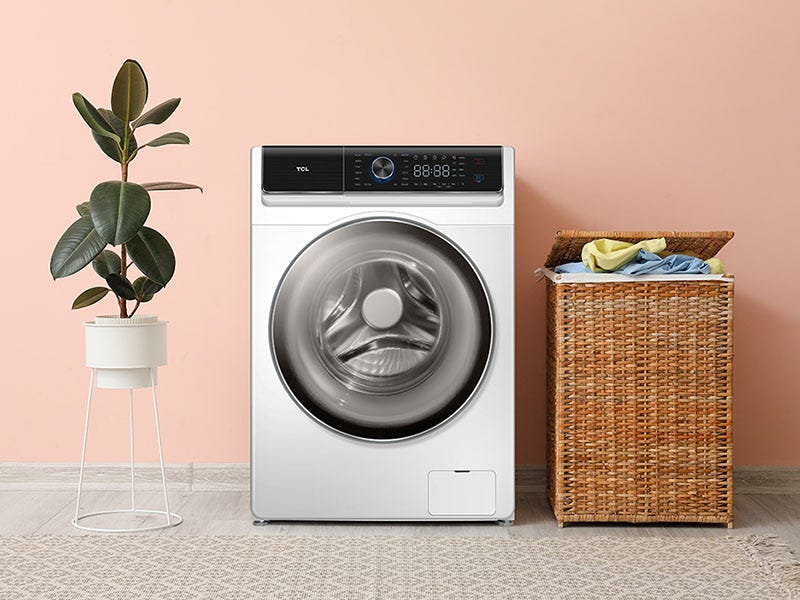
Have you ever stopped to wonder when the washer and dryer were invented? These machines have changed the way you handle laundry, saving you time and effort every single day.
Understanding their origins can give you a new appreciation for the convenience you enjoy now. You’ll discover the fascinating history behind these household essentials and how they evolved into the appliances you rely on today. Keep reading—you might be surprised by what you learn!
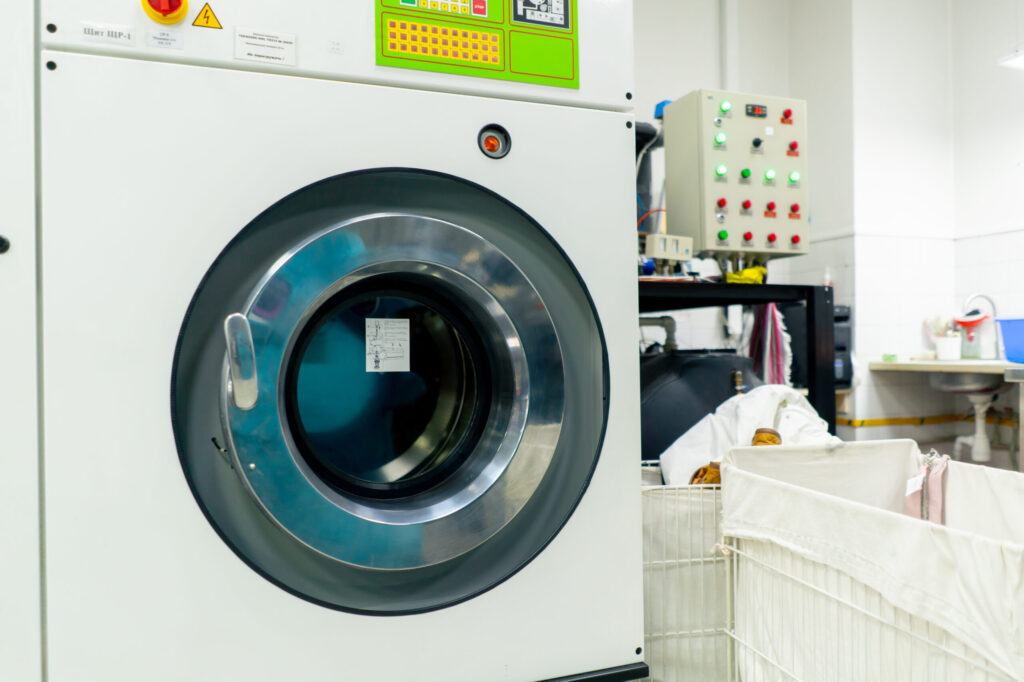
Credit: my-applianceguy.com
Early Laundry Methods
People washed clothes long before machines existed. They used simple tools and natural resources.
Washing clothes took a lot of time and effort in the past. It was not as easy as today.
Washing Before Machines
Before washers, people cleaned clothes by hand. They used rivers, washboards, and basins.
Clothes were soaked, scrubbed, and rinsed many times. Sunlight helped to dry them.
- Soaking clothes in water to loosen dirt
- Scrubbing fabric on rough surfaces like washboards
- Rinsing clothes in clean water to remove soap
- Hanging clothes outside to dry in the sun
Challenges Of Manual Laundry
Manual laundry was hard work. It took many hours and tired the body.
Washing clothes by hand could damage fabric. Dirt often stayed after washing.
- Long time needed to wash and dry clothes
- Physical strain from scrubbing and wringing
- Clothes could tear or wear out quickly
- Dirt and stains were hard to remove completely
Birth Of The Washing Machine
The washing machine is one of the most important household inventions. It helped people clean clothes faster and easier. Before washing machines, people washed clothes by hand, which took a lot of time and effort.
This article explains how the washing machine was invented and how it changed over time. We will look at early patents and the machine’s growth during the 19th century.
First Washing Machine Patents
The first washing machine patents were filed in the 18th and 19th centuries. Inventors tried many ways to make washing easier. These early machines used hand-powered mechanisms to move clothes in water.
- Jacob Christian Schäffer created a device in 1767 that used a drum to clean clothes.
- In 1797, Nathaniel Briggs patented a wooden washing machine with a drum that rotated.
- James King received a patent in 1851 for the first machine with a drum turned by a hand crank.
- William Blackstone built a washing machine for his wife in 1874 that looked more like modern machines.
Evolution Through The 19th Century
The 19th century saw many changes in washing machines. These changes made washing faster and less tiring. Steam power and electric motors started to appear near the end of the century.
| Year | Innovation | Inventor |
| 1858 | Rotating drum with hand crank | Hamilton Smith |
| 1874 | Improved wooden drum machine | William Blackstone |
| 1884 | First electric washing machine patent | Alva J. Fisher |
| 1890s | Steam-powered washing machines | Various inventors |
Introduction Of The Dryer
The dryer is a household appliance that helps dry clothes quickly. It became popular as a time-saving tool.
Before dryers, people used other methods to dry clothes. The electric dryer changed how we dry laundry today.
Early Drying Techniques
People dried clothes using natural ways before machines existed. They used air, sun, and fire to remove water.
- Hanging clothes outside on lines or bushes
- Spreading clothes on rocks or flat surfaces in the sun
- Using heat from fireplaces or stoves
- Wringing clothes by hand to remove water
Invention Of The Electric Dryer
The first electric dryer was invented in the early 20th century. It used heat and air to dry clothes faster.
| Year | Inventor | Key Feature |
| 1938 | J. Ross Moore | First electric clothes dryer patent |
| 1940s | Various companies | Home use models became available |
| 1950s | Manufacturers | Improved safety and efficiency |

Credit: en.wikipedia.org
Technological Advances
The washer and dryer have changed a lot since they were first made. These machines have become easier to use and more efficient. Technology has helped improve how they clean and dry clothes.
Early washers and dryers were simple and slow. Over time, new parts and designs made them faster and saved energy. This helped families do laundry with less work.
Automatic Washing Machines
The first washing machines needed people to watch and move clothes. Automatic machines changed this by washing clothes without help. They use timers and sensors to clean clothes well.
These machines fill with water, wash, rinse, and spin on their own. This made laundry easier and saved time. Many homes now use automatic washers for convenience.
Improvements In Dryer Efficiency
Early dryers used a lot of energy and took a long time. New dryers use better heating parts and airflow designs. This dries clothes faster and uses less power.
Some dryers have sensors that stop when clothes are dry. This prevents extra drying and saves energy. These improvements help reduce bills and protect clothes from damage.
Impact On Society
The invention of the washer and dryer changed how people handle laundry. These machines saved time and effort for many households. They made cleaning clothes faster and easier.
These appliances affected daily life and social roles. They also influenced urban living and home designs. Understanding this impact helps us see their role in modern society.
Changing Household Dynamics
The washer and dryer shifted chores inside homes. Laundry was once a full-day task needing many people. With machines, one person could do it alone in less time.
- Reduced physical labor for washing clothes
- Freed time for other household or leisure activities
- Changed family roles, allowing more shared chores
- Helped women join the workforce more easily
Laundry Appliances And Urban Life
Washers and dryers fit well into city homes. Many apartments added space for these machines. Laundry became more private and convenient.
| Year | Urban Laundry Feature |
| 1930s | Shared laundry rooms in buildings |
| 1950s | Introduction of in-unit washers |
| 1970s | Wide use of electric dryers in homes |
Modern Washer And Dryer Features
Today’s washers and dryers offer many advanced features. These features make laundry easier and more efficient.
Understanding these features helps you choose the best appliances for your home. Let’s explore some key aspects.
Smart Technology Integration
Smart technology allows control of washers and dryers with a smartphone. You can start, stop, and monitor your laundry from anywhere.
- Receive alerts when the cycle is complete
- Schedule cycles to run at convenient times
- Access troubleshooting tips via apps
Energy And Water Conservation
Modern washers and dryers use less energy and water. This saves money and helps the environment.
| Feature | Benefit |
| High-Efficiency Washers | Use less water per load |
| Energy Star Ratings | Indicate low energy consumption |
| Eco Modes | Optimize wash cycles for resource saving |
Credit: smadgroup.com
Frequently Asked Questions
When Was The First Washing Machine Invented?
The first washing machine was invented in 1851 by James King. It was a hand-powered rotary model that improved laundry efficiency significantly.
Who Invented The Electric Dryer And When?
The electric dryer was invented by J. Ross Moore in 1938. It revolutionized drying clothes by using heated air, making laundry faster.
How Did Washers Evolve Over Time?
Washers evolved from manual devices to electric machines with spinning drums. Innovations improved efficiency, convenience, and water usage from the 19th century onward.
When Did The Washer And Dryer Become Household Staples?
Washers and dryers became common household appliances in the 1950s. Post-World War II economic growth and technology advances made them widely affordable.
Conclusion
The washer and dryer have changed how we do laundry today. They started as simple machines long ago. Over time, they became faster and easier to use. These inventions save time and hard work every day. Knowing their history helps us appreciate modern appliances.
Next time you wash clothes, remember their interesting past. Simple tools grew into helpful household machines. A story of progress and everyday convenience.