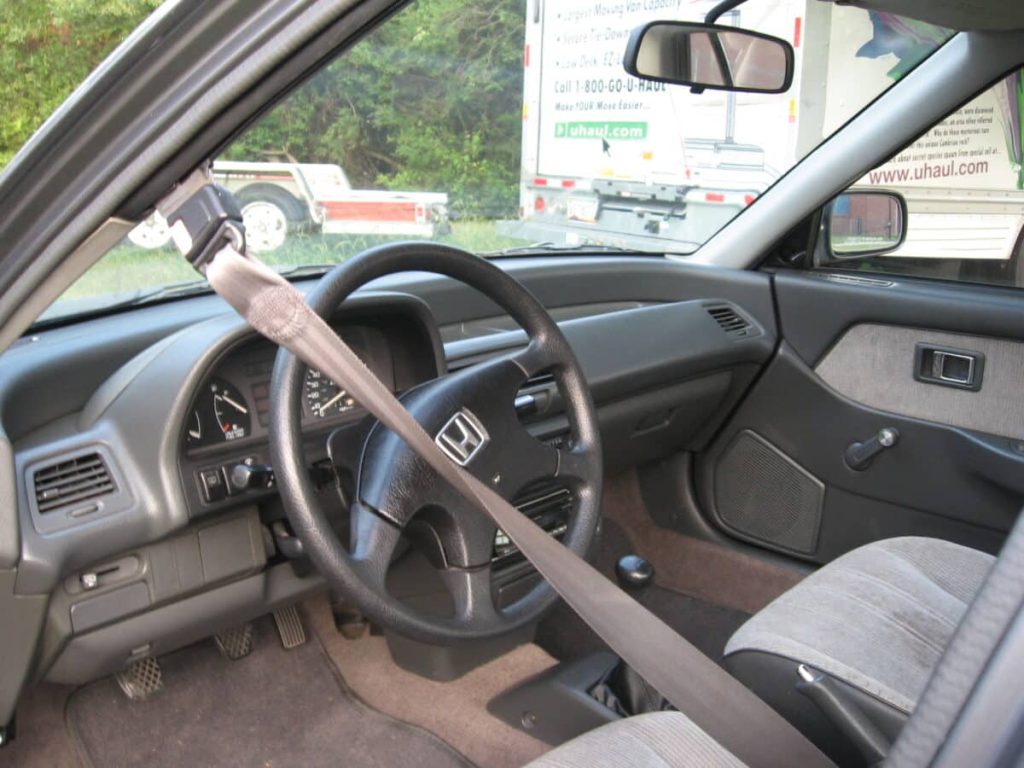
Have you ever wondered when seat belts became a standard safety feature in cars? It’s easy to take them for granted every time you buckle up, but seat belts have a fascinating history that changed the way we drive and protect ourselves.
Knowing when and why they were first introduced can give you a new appreciation for this simple yet life-saving invention. Keep reading to discover the story behind seat belts and how they became an essential part of your daily drive.
Early Car Safety Measures
Car safety has come a long way since the first automobiles. Early cars did not have the safety features we see today.
Before seat belts were common, people and car makers tried different ways to improve safety on the road.
Pre-seat Belt Era
In the early days of cars, there were no seat belts. Drivers and passengers often fell out during crashes.
- Cars had strong frames to protect passengers
- Windshields were made tougher to reduce injuries
- Some cars added padded dashboards for softer impacts
- Drivers used slower speeds to reduce accident risk
Initial Safety Concerns
As cars grew faster, people worried more about crashes and injuries. Experts looked for ways to make cars safer.
| Year | Safety Concern | Early Solution |
| 1920s | Passengers falling out | Car doors with stronger locks |
| 1930s | Head injuries on impact | Padded dashboards introduced |
| 1940s | Accidents at higher speeds | Better brakes and tires |
Credit: www.huntingpa.com
Invention Of The Seat Belt
The seat belt is a safety device that helps save lives in car crashes. It keeps drivers and passengers from being thrown forward. The idea of a seat belt started long ago. Many inventors worked on designs to make cars safer.
Early car rides were risky because cars did not have safety gear. People needed a way to stay secure in their seats. The seat belt invention came from several important steps and ideas.
Key Inventors
Many inventors helped develop the seat belt. Here are some key figures in its history.
- George Cayley: In 1804, he used a belt to secure pilots in gliders.
- Edward J. Claghorn: Patented the first modern seat belt in 1885 for tourists and passengers.
- Nils Bohlin: Created the three-point seat belt in 1959 at Volvo, which is still used today.
First Seat Belt Designs
Early seat belts were simple and different from today’s models. Some were just straps or bands that fastened around the body. Car makers tested many designs to find the best fit.
| Year | Design | Description |
| 1885 | Lap Belt | Edward J. Claghorn’s belt secured passengers around the waist. |
| 1920s | Harness Belt | Used in airplanes and race cars to hold drivers tight. |
| 1959 | Three-Point Belt | Nils Bohlin’s design used one strap over the shoulder and another across the lap. |
Adoption By Car Manufacturers
Seat belts were not always a standard part of cars. Car makers had to decide when to add them. This change took many years and different steps.
The decision to include seat belts involved testing, safety studies, and facing some pushback. This made the process slow but steady.
Early Implementations
The first cars with seat belts appeared in the 1950s. Some manufacturers added them as optional features. Only a few models had belts at first.
- Volvo introduced three-point seat belts in 1959.
- Some American car makers offered lap belts in the front seats.
- Seat belts were mostly used in race cars before regular cars.
- Many drivers did not use seat belts even when available.
Resistance And Challenges
Car companies faced several problems when adding seat belts. They needed to convince drivers and lawmakers to accept them. Some feared it would hurt car sales.
| Challenge | Details |
| Cost | Adding belts raised car prices slightly. |
| Customer Resistance | Many drivers saw belts as uncomfortable or unnecessary. |
| Legal Issues | Laws to require belts took years to pass in many countries. |
| Design Changes | Cars needed redesign to fit seat belts properly. |
Legislation And Regulations
Seat belts were not always required in cars. Laws and rules helped make them common. They save lives by keeping people safe in crashes.
Governments around the world started to make seat belts mandatory. These laws helped increase their use and reduce injuries.
First Laws Mandating Seat Belts
The first law requiring seat belts in cars was passed in the 1960s. Sweden was a pioneer in this area. In 1967, it made seat belts mandatory for drivers and front-seat passengers.
Shortly after, other countries followed. The United States set federal standards in 1968. These laws required car manufacturers to install seat belts in all new cars.
- Sweden: First to require seat belts by law (1967)
- United States: Federal seat belt standards (1968)
- United Kingdom: Seat belts became compulsory in 1983
- Australia: Made seat belt use mandatory in 1970s
Global Spread Of Seat Belt Laws
Over time, many countries passed seat belt laws. These laws often included both installation and use of seat belts. The spread of these laws helped reduce traffic deaths worldwide.
| Country | Year Seat Belts Required | Notes |
| Sweden | 1967 | First country to mandate seat belts |
| United States | 1968 | Federal standards for car manufacturers |
| United Kingdom | 1983 | Compulsory use for front-seat passengers |
| Australia | 1970s | Mandatory use laws by states |
| Canada | 1976 | Seat belt laws enforced nationwide |
Technological Advances In Seat Belts
Seat belts have saved millions of lives since their invention. They have changed a lot over time to keep drivers safer. New technologies make seat belts stronger and smarter.
These changes started in the early 1900s and continue today. Understanding these advances helps us see how safety improved in cars.
Three-point Seat Belts
The three-point seat belt was invented in 1959 by Nils Bohlin. It uses one strap across the chest and one across the lap. This design holds passengers better in crashes.
This type of seat belt became standard in many cars. It reduces injuries by spreading force across the body. Many countries made it a law to use three-point belts.
- Holds upper and lower body firmly
- Easy to use and adjust
- Works with airbags to improve safety
Modern Safety Features
Today, seat belts include new features to protect passengers better. Some have pretensioners that tighten the belt in a crash. Others have load limiters to reduce pressure on the chest.
There are also seat belts with sensors. These sensors check if the belt is fastened. If not, they warn the driver with sounds or lights.
- Pretensioners pull the belt tight quickly
- Load limiters reduce injury from belt pressure
- Sensors alert if seat belts are not fastened
- Adjustable upper anchors improve fit and comfort
Impact On Road Safety
Seat belts were first added to cars in the 1950s. They quickly became a key safety feature. Wearing seat belts helps keep drivers and passengers safe in crashes.
Road safety improved a lot after seat belts became common. Many lives have been saved thanks to this simple tool.
Reduction In Fatalities
Seat belts reduce the chance of dying in a car crash. They stop people from hitting hard parts inside the car. This lowers serious injuries and deaths.
Studies show that wearing seat belts cuts death rates by about half. This makes roads safer for everyone.
- Seat belts keep people in their seats during crashes
- They spread crash forces across stronger body parts
- They reduce the risk of being thrown out of the car
Public Awareness Campaigns
Many campaigns teach people why seat belts matter. These efforts began in the 1960s and helped change habits. Drivers learned to buckle up every time.
Signs, ads, and laws remind people to wear seat belts. These actions helped raise seat belt use worldwide.
- TV ads show how seat belts save lives
- Police enforce seat belt laws with tickets
- Schools teach kids about car safety
Controversies And Myths
Seat belts were first put in cars in the 1950s. Since then, many people have debated their use. Some myths and false ideas made it hard to accept seat belts.
This section looks at common misconceptions and opposition to seat belt use. Understanding these helps us see why seat belts became important.
Common Misconceptions
Many people thought seat belts were unsafe or useless at first. Some believed seat belts could trap them in a car during a crash.
Others said seat belts might cause more injuries if the car rolled over. These ideas made some drivers avoid using seat belts.
- Seat belts can trap people inside cars.
- They cause injuries in certain accidents.
- Seat belts are uncomfortable to wear.
- Only bad drivers need seat belts.
Opposition To Seat Belt Use
Some groups and individuals fought against laws requiring seat belts. They said seat belt laws took away personal freedom. Some thought wearing seat belts was unnecessary.
Car makers also worried about adding seat belts. They thought people might not buy cars with seat belts. It took years before seat belts became standard in all cars.
- Seat belt laws limit personal freedom.
- Seat belts are annoying and hard to use.
- Car companies feared losing customers.
- People believed seat belts were not needed in short trips.

Credit: www.edbernstein.com

Credit: www.volvocars.com
Frequently Asked Questions
When Were Seat Belts First Introduced In Cars?
Seat belts were first introduced in cars in the 1950s. Volvo was the pioneer, fitting them in 1959. This innovation revolutionized automobile safety, significantly reducing injuries in accidents. The three-point seat belt design became standard and is still widely used today.
Why Were Seat Belts Invented For Cars?
Seat belts were invented to improve passenger safety. They prevent occupants from being thrown forward during sudden stops or collisions. This significantly reduces the risk of severe injuries. By restraining passengers, seat belts have saved countless lives, making them an essential car safety feature.
Which Car Manufacturer First Used Seat Belts?
Volvo was the first car manufacturer to use seat belts. In 1959, Volvo introduced the three-point seat belt in its vehicles. This groundbreaking safety feature became a standard in the automotive industry. Volvo’s innovation has significantly contributed to passenger safety worldwide.
How Have Seat Belts Evolved Over Time?
Seat belts have evolved from simple lap belts to advanced three-point systems. Initially introduced in the 1950s, they now include features like pretensioners and load limiters. These advancements enhance safety by optimizing the restraint during collisions, reducing injury risk.
Conclusion
Seat belts have saved many lives since their early days in cars. They started as simple straps and became a must-have safety feature. Today, almost every car includes them to protect passengers. Knowing when seat belts were first used helps us appreciate their importance.
Always wear your seat belt for safety on the road. It is a small action that makes a big difference. Safety first, every time you drive.