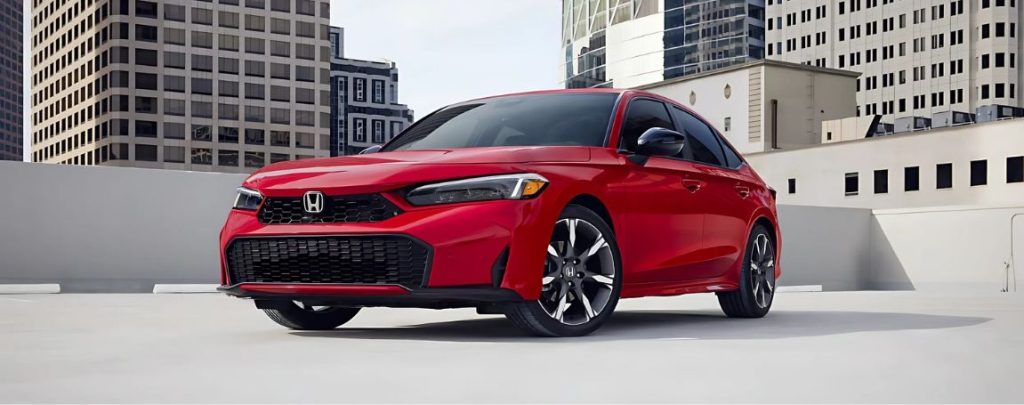
Have you ever wondered where your Honda Civic is actually made? Whether you’re a proud owner or thinking about buying one, knowing the origins of this popular car can give you a new level of appreciation.
The place where your Civic is built affects its quality, performance, and even the value you get. Keep reading, and you’ll discover exactly where Honda Civics are made—and why it matters to you.
Global Production Sites
The Honda Civic is a global icon, known for its reliability and efficiency. But have you ever wondered where these popular vehicles are actually made? Honda’s production strategy ensures that Civics are manufactured in multiple regions to meet local demand effectively. Let’s explore the global production sites that bring the Honda Civic to life.
North American Plants
In North America, the Honda Civic is primarily produced in the United States and Canada. The Marysville Auto Plant in Ohio is a significant site, where thousands of Civics roll off the assembly line each year. Additionally, the Alliston Plant in Ontario, Canada also plays a crucial role in meeting the North American market’s demand. These facilities are equipped with state-of-the-art technology, ensuring each Civic meets Honda’s high standards for quality and performance.
Asian Manufacturing Hubs
Asia, being a massive market for Honda, hosts several key manufacturing hubs. Japan, as the birthplace of Honda, continues to produce Civics at the Suzuka plant, known for its precision engineering. Meanwhile, in Thailand and Indonesia, production facilities cater to the Southeast Asian markets. These plants not only supply local demands but also export Civics to other regions, showcasing Honda’s global outreach.
European Facilities
Although Honda scaled back its European production, the Swindon plant in the UK was a major player until its closure in 2021. The facility was known for producing the Civic Type R, a favorite among car enthusiasts for its sporty performance. With shifting market dynamics, Honda now focuses on importing Civics to Europe, ensuring fans still have access to their beloved vehicle. As an enthusiast, would you consider the journey of your car before you drive it?
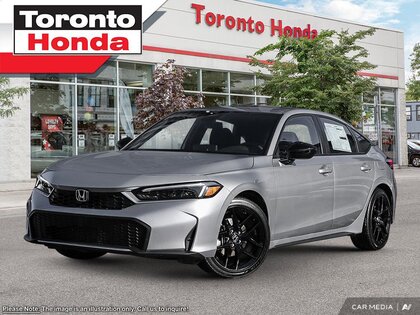
Credit: www.torontohonda.com
Manufacturing History
The manufacturing history of the Honda Civic reflects its growth and global reach. This car started as a small project and evolved into a worldwide success. Its production journey shows Honda’s commitment to quality and innovation. Understanding this history helps explain where Civics are made today.
Early Production Years
The Honda Civic first rolled off the line in 1972. Production began in Japan at the Suzuka plant. These early models helped Honda gain a strong reputation. The focus was on fuel efficiency and reliability. Japan remained the key production base during these initial years.
Expansion Across Continents
Honda expanded Civic production beyond Japan in the 1980s. New plants opened in the United States and Canada. This move helped meet growing demand in North America. Europe and Asia also saw local assembly plants. This strategy reduced shipping costs and improved supply chains.
Recent Shifts In Production
In recent years, Honda shifted more Civic production to North America. Plants in Ohio, Indiana, and Ontario now produce many models. Some production still occurs in Japan and other countries. This change supports local markets and adapts to trade policies. The Civic remains a global car with diverse manufacturing sites.
Factors Influencing Location
Honda selects its Civic production sites based on several key factors. These factors ensure the car reaches customers efficiently and meets market needs. Each factor plays a role in deciding where the Civics are built. Understanding these helps explain why Honda chooses specific locations.
Market Demand
High market demand influences Honda’s plant locations. Producing Civics near buyers reduces shipping costs and delivery time. It also allows Honda to respond quickly to changes in customer preferences. Plants in regions with strong sales ensure steady production and supply.
Trade Agreements
Trade agreements impact where Honda builds Civics. Favorable agreements lower tariffs and taxes on exported cars. Honda benefits by placing factories in countries with good trade deals. This helps keep car prices competitive in different markets.
Supply Chain Logistics
Efficient supply chains are vital for Honda’s manufacturing. Proximity to parts suppliers and transport hubs matters. Easy access to raw materials speeds up production. Good logistics reduce delays and keep costs down. Honda chooses locations with strong infrastructure for smooth operations.

Credit: roadlancer.com
Key Models And Their Origins
Honda Civics come in several popular models. Each model has its own production base. Knowing where each model is made helps understand the brand’s global reach.
Honda carefully chooses factory locations to balance quality and demand. This strategy supports efficient manufacturing and quick delivery to customers worldwide.
Sedan Production Sites
The Honda Civic Sedan is mainly built in North America. Key plants include:
- Greensburg, Indiana, USA
- Alliston, Ontario, Canada
- Sayama, Japan (for some Asian markets)
These plants focus on producing high volumes to meet global demand. The Indiana facility is especially known for its advanced manufacturing technology.
Hatchback Assembly Locations
The Civic Hatchback is assembled in a few select locations. The main ones are:
- Swindon, United Kingdom (until 2021)
- Alliston, Ontario, Canada
- Saitama, Japan
The Canadian plant now plays a bigger role in hatchback assembly. It ensures supply to North American and European markets.
Si And Type R Manufacturing
The sportier Civic Si and Type R models have specialized production sites. The Civic Si is primarily made in:
- Alliston, Ontario, Canada
The high-performance Civic Type R comes from:
- Saitama, Japan
The Japanese plant uses expert craftsmanship for the Type R’s complex build. These models receive extra attention for performance and detail.
Impact On Quality And Features
The place where a Honda Civic is made can significantly influence its quality and features. Manufacturing locations tailor the vehicle to meet local standards and customer expectations. This means the Civics you see on the streets might differ in subtle but important ways depending on where they were built.
Regional Variations
Honda plants in different regions focus on meeting local regulations and preferences. For example, Civics made in North America often have stronger emissions controls and safety features to comply with strict U.S. standards. Meanwhile, models produced in Asia might prioritize fuel efficiency and compact design to suit crowded urban environments.
Have you noticed how some Civics feel different depending on where they were purchased? This is not just perception; it reflects genuine adjustments in materials and finishes made regionally.
Technological Innovations
Each Honda factory adopts the latest technology that suits its production capabilities. Japanese plants, known for cutting-edge robotics, often produce Civics with very tight build tolerances and advanced infotainment systems. On the other hand, newer plants in emerging markets might focus on scalable tech that balances innovation with cost-efficiency.
Your Civic’s tech features, such as adaptive cruise control or multimedia interfaces, might depend on the production site’s technical upgrades. This can affect how smooth and responsive these features feel during daily driving.
Customization For Markets
Honda customizes Civics to match cultural preferences and driving conditions across markets. In colder regions, Civics may come with enhanced heating systems and corrosion-resistant coatings. In warmer climates, ventilation and air conditioning systems receive extra attention.
This tailored approach means you get a car better suited to your environment. What specific features matter most to you in your location? Knowing this can help you choose the right Civic model and production origin for your needs.
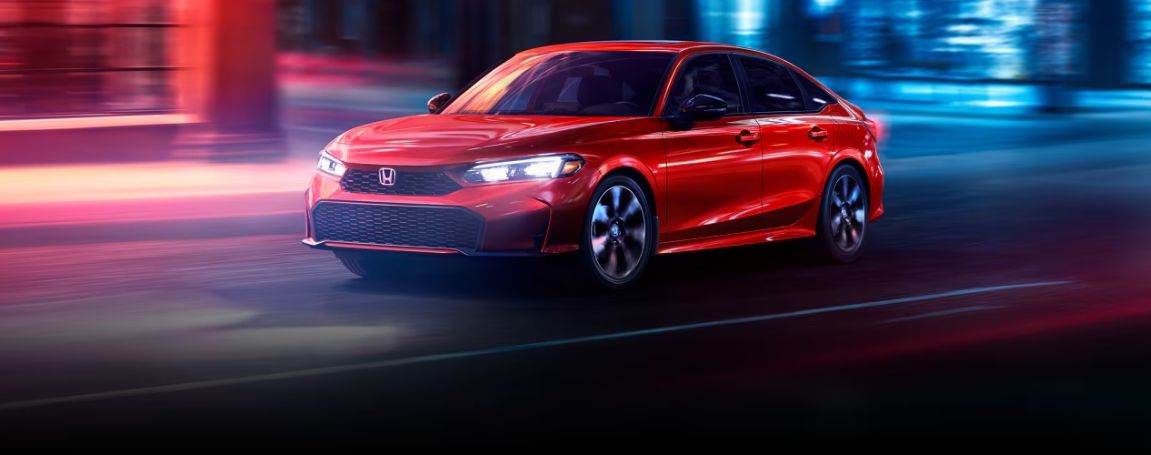
Credit: www.whiterockhonda.com
Future Manufacturing Trends
The future of Honda Civic manufacturing is shaping up with exciting trends that promise to change how and where these popular cars are made. As technology advances, Honda is adapting its production lines to meet new demands and environmental goals. You might wonder how these changes will affect the quality and availability of the Honda Civic you love.
Electric And Hybrid Production
Honda is expanding its focus on electric and hybrid vehicles. Many of their factories are now equipped to build models that run on cleaner energy sources. This shift means you can expect more Honda Civics with electric or hybrid options rolling off the assembly line soon.
One key change is the installation of special battery assembly sections within existing plants. These sections handle the unique needs of electric drivetrains, ensuring reliability and safety. Have you noticed how quickly electric cars are becoming common on the roads? Honda’s manufacturing changes reflect this growing trend.
Automation In Factories
Automation is becoming a bigger part of Honda’s manufacturing process. Robots and computer-controlled machines handle tasks like welding, painting, and parts assembly. This reduces human error and speeds up production.
During a recent visit to a Honda plant, I saw robots working side-by-side with engineers, improving efficiency without sacrificing quality. This cooperation between humans and machines helps keep the Honda Civic affordable and well-built. Do you think more automation could improve car quality across the board?
Sustainability Efforts
Honda is pushing hard to make its factories greener. They are cutting down on waste, using renewable energy, and recycling materials wherever possible. This focus on sustainability helps reduce the environmental footprint of building your car.
In some plants, solar panels power the assembly lines, and rainwater collection systems reduce water use. These efforts not only protect the planet but can also lower costs, potentially saving you money in the long run. What sustainable features would you like to see in the cars you drive?
Frequently Asked Questions
Where Are Honda Civics Manufactured Worldwide?
Honda Civics are primarily made in plants located in the United States, Canada, and Japan. These manufacturing hubs ensure high quality and meet regional demand efficiently.
Is Honda Civic Made In The Usa Or Japan?
Yes, Honda Civics are made in both the USA and Japan. The U. S. plant mainly serves North America, while Japan handles other markets.
Which Honda Civic Factory Serves North America?
The Honda Civic for North America is mainly produced at Honda’s plants in Ohio and Indiana, USA. These factories focus on meeting local consumer needs.
Are All Honda Civic Models Made In The Same Country?
No, Honda Civic models are produced in different countries depending on the model and market. This strategy optimizes production and distribution worldwide.
Conclusion
Honda Civics are made in several countries around the world. The main factories are in the United States, Canada, and Japan. Each location helps meet demand in different markets. This global approach keeps production steady and efficient. It also allows Honda to offer Civics at competitive prices.
Knowing where Civics are made helps buyers appreciate the car’s quality and design. It shows Honda’s commitment to combining global resources. This makes the Civic a popular choice worldwide.