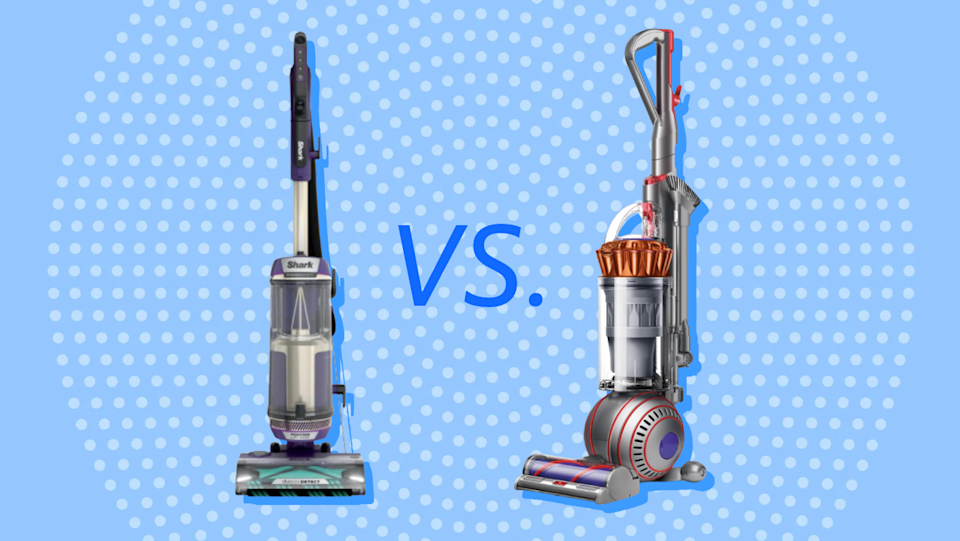
If you’ve ever wondered where Shark vacuums are made, you’re not alone. With their powerful suction and sleek design, these vacuums have become household favorites.
But knowing where they come from can give you even more insight into their quality and innovation. You’ll discover the origins of Shark vacuums, helping you make informed decisions about your cleaning tools. Get ready to enhance your vacuum knowledge and connect the dots between this trusted brand and your home.
Dive in to learn all about the birthplace of your favorite cleaning companion!
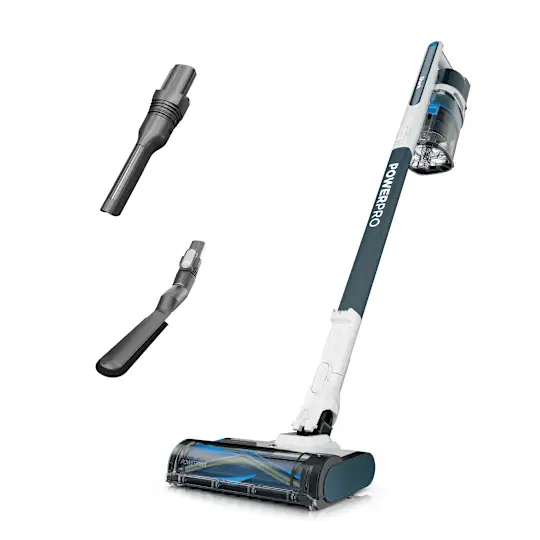
Credit: www.sharkclean.com
Shark Vacuums Brand Background
Shark Vacuums is a well-known brand in home cleaning. It offers many vacuum models designed for easy use and strong cleaning. The brand focuses on innovation and affordable prices. Shark aims to make cleaning less of a chore for many homes.
The company started in the early 2000s. It quickly gained popularity for its upright and cordless vacuums. Shark has expanded its product line to include steam mops and other cleaning tools. Its products often feature advanced technology like powerful suction and anti-allergen filters.
Origins Of Shark Vacuums
Shark Vacuums began as a small company in the United States. It grew due to smart design and good customer feedback. The brand built a reputation for creating user-friendly vacuums. Shark focused on solving common cleaning problems.
Ownership And Brand Growth
Shark is owned by SharkNinja, a large company in home appliances. SharkNinja manages many popular brands worldwide. The company invests in research to improve cleaning technology. Shark vacuums continue to gain market share globally.
Design And Innovation Focus
Shark products are designed with the user in mind. The brand uses feedback to improve vacuum features. It often adds smart tools like LED lights and swivel heads. Shark aims to make cleaning faster and more effective.

Credit: www.choice.com.au
Manufacturing Locations Worldwide
Shark vacuums are made in several locations worldwide. These spots help Shark deliver quality products to many customers. Each site focuses on different parts of the production process. The global spread also helps keep costs down and ensures fast delivery.
Factories In Asia
Asia hosts many of Shark’s main factories. China plays a big role in manufacturing parts and assembling vacuums. Skilled workers and advanced machines work together here. The factories in Asia focus on mass production and efficiency. They handle most of the vacuum components and final assembly.
Production Facilities In North America
Shark also has production sites in North America. These locations often focus on innovation and quality control. Some parts are made here to meet strict safety rules. The North American facilities also manage testing and research. This helps Shark improve designs and maintain high standards.
European Manufacturing Sites
Europe hosts smaller manufacturing sites for Shark vacuums. These sites mainly serve local markets in Europe. They ensure faster shipping and reduce import taxes. European factories often focus on customizing products for regional needs. This helps Shark stay competitive in the European market.
Supply Chain And Sourcing
The supply chain and sourcing behind Shark vacuums reveal a lot about the quality and reliability you can expect. Knowing where parts come from and how they are put together helps you understand the product’s value. It also shows how the company manages costs and maintains standards across different markets.
Component Suppliers
Shark vacuums rely on a network of suppliers from various countries. Key components like motors, batteries, and filters often come from specialized manufacturers in Asia, including China, South Korea, and Taiwan. These suppliers are chosen for their ability to meet strict quality requirements while keeping production efficient.
You might be surprised to learn that some parts are sourced closer to home, such as electronic chips from the US or Europe, ensuring better control over sensitive components. This mix of global sourcing balances cost and quality, giving you a dependable vacuum without an exorbitant price tag.
Assembly Processes
Once parts arrive, assembly takes place in factories primarily located in China. These facilities combine manual labor with automated systems to ensure precision and speed. The assembly lines undergo constant quality checks to catch any defects early.
Interestingly, Shark has invested in training programs for factory workers to improve assembly skills and product consistency. Have you ever thought about how much effort goes into the vacuum you use daily? This attention to detail during assembly means fewer breakdowns and better performance over time.
Quality Control Measures
Quality control measures are key to Shark Vacuums’ reliability. Each product undergoes strict checks to meet high standards. These steps ensure the vacuum performs well and lasts long. Quality control starts early in manufacturing and continues until the product ships.
Testing happens at many stages. Parts, assembly, and final products all get inspected. This process catches defects early. Shark uses modern tools and expert staff to maintain quality. The goal is to deliver a vacuum that works perfectly every time.
Rigorous Component Inspections
Every part is carefully checked before assembly. Materials are tested for strength and durability. Components that do not meet standards are rejected immediately. This reduces the chance of failure later. Shark ensures only top-quality pieces go into each vacuum.
Assembly Line Monitoring
Workers and machines are closely monitored during assembly. Each step follows a strict protocol to avoid errors. Supervisors conduct random checks to maintain consistency. This attention to detail helps build a reliable product. It also speeds up problem detection and correction.
Final Product Testing
Finished vacuums undergo performance tests. These include suction power, battery life, and noise levels. Each unit must pass tests before packaging. Products that fail are fixed or discarded. This step guarantees customers receive a flawless vacuum.
Continuous Improvement Feedback
Data from quality tests guides product improvements. Shark uses customer feedback to refine designs. This cycle helps reduce defects over time. Quality control is a constant process, not a one-time check. It supports Shark’s commitment to excellence.
Impact Of Manufacturing Locations On Price
The place where Shark vacuums are made has a direct effect on their price. Manufacturing locations influence costs like labor, materials, and shipping, which then shape the final retail price you see. Understanding these factors can help you make smarter buying decisions.
Labor Costs And Their Role In Pricing
Labor expenses vary greatly from country to country. Shark often manufactures products in countries with lower labor costs, such as China or Vietnam. This helps keep the price of the vacuum more affordable for you without sacrificing quality.
Have you noticed how some brands that produce items in high-wage countries tend to have steeper prices? This is a key reason why.
Material Sourcing And Manufacturing Quality
The location impacts where materials are sourced and how quality is managed. Factories closer to raw material suppliers can reduce costs, which may lower your price. But sometimes, cutting costs on materials can affect durability.
Shark balances cost and quality by choosing locations with reliable supply chains and skilled workers. This ensures you get a vacuum that lasts without overpaying.
Shipping And Import Fees Affecting The Final Cost
Shipping distances and import taxes add to the overall price of the vacuum. Products made far from your country incur higher freight charges. Plus, customs fees can push the price up further.
Have you ever wondered why some electronics are cheaper in one country but expensive in another? Shipping and import fees often explain that difference.
How Manufacturing Location Influences Warranty And Support
Where a Shark vacuum is built can impact the warranty and customer service you receive. Local manufacturing often means faster support and easier repairs. Overseas production might mean longer wait times or higher repair costs.
Consider how important quick service is for you before choosing a model, as this can affect your overall satisfaction and expenses.
Future Trends In Shark Vacuum Production
Shark vacuums have come a long way, and their production is evolving fast to meet new demands. The future of Shark vacuum production points toward smarter technology, eco-friendly materials, and more user-focused designs. Understanding these trends can help you make better choices when picking your next cleaning companion.
Advancements In Smart Technology
Shark is investing heavily in smart features to make vacuuming easier and more efficient. Expect more models with voice control, app integration, and automatic floor detection. These upgrades mean your vacuum could soon know exactly how to clean each room without you lifting a finger.
Eco-friendly Manufacturing Practices
Reducing environmental impact is becoming a priority for Shark. They are exploring recycled materials and energy-efficient production processes. This shift not only helps the planet but often results in longer-lasting products that save you money in the long run.
Customization And Modular Designs
Imagine a vacuum that adapts to your unique cleaning needs. Shark is moving toward modular designs where you can swap parts or add accessories easily. This flexibility lets you upgrade your vacuum without buying a completely new machine, offering both convenience and sustainability.
Global Production And Quality Control
Shark continues to expand its production facilities worldwide, maintaining strict quality checks across all locations. This global approach helps meet demand while ensuring consistent product quality. Have you noticed how your Shark vacuum lasts even with heavy use? That’s a result of these improved standards.
Integration Of Ai And Robotics
Robotic vacuums powered by AI are becoming more common in the Shark lineup. These devices learn your cleaning habits and optimize their routes over time. Could your next vacuum be a fully autonomous helper that understands your home better than you do?
Credit: support.sharkclean.com
Frequently Asked Questions
Where Are Shark Vacuums Manufactured?
Shark Vacuums are primarily made in China. The brand designs products in the USA but relies on Chinese factories for production. This allows Shark to maintain quality while keeping costs competitive and delivering advanced vacuum technology worldwide.
Are Shark Vacuums Made In The Usa?
No, Shark Vacuums are not made in the USA. The company designs products in the US, but manufacturing happens overseas, mainly in China. This strategy helps Shark offer affordable yet innovative vacuum cleaners to a global market.
Why Are Shark Vacuums Made In China?
Shark Vacuums are made in China due to cost efficiency and manufacturing expertise. China offers advanced production facilities and skilled labor. This helps Shark provide high-quality vacuums at competitive prices without compromising innovation.
Does Manufacturing Location Affect Shark Vacuum Quality?
No, the manufacturing location does not affect Shark Vacuum quality. Shark maintains strict quality control and rigorous testing regardless of production site. Their vacuums meet high standards for performance and durability worldwide.
Conclusion
Shark vacuums are mainly made in China with high-quality parts. The company focuses on strong design and reliable performance. Many people trust Shark for their cleaning needs worldwide. Knowing where they are made helps you understand product value. Shark keeps improving its vacuums to meet customer demands.
Choosing a Shark vacuum means choosing a well-built machine. Quality and affordability come together in these products. Now you know the origin behind Shark vacuums you use daily.