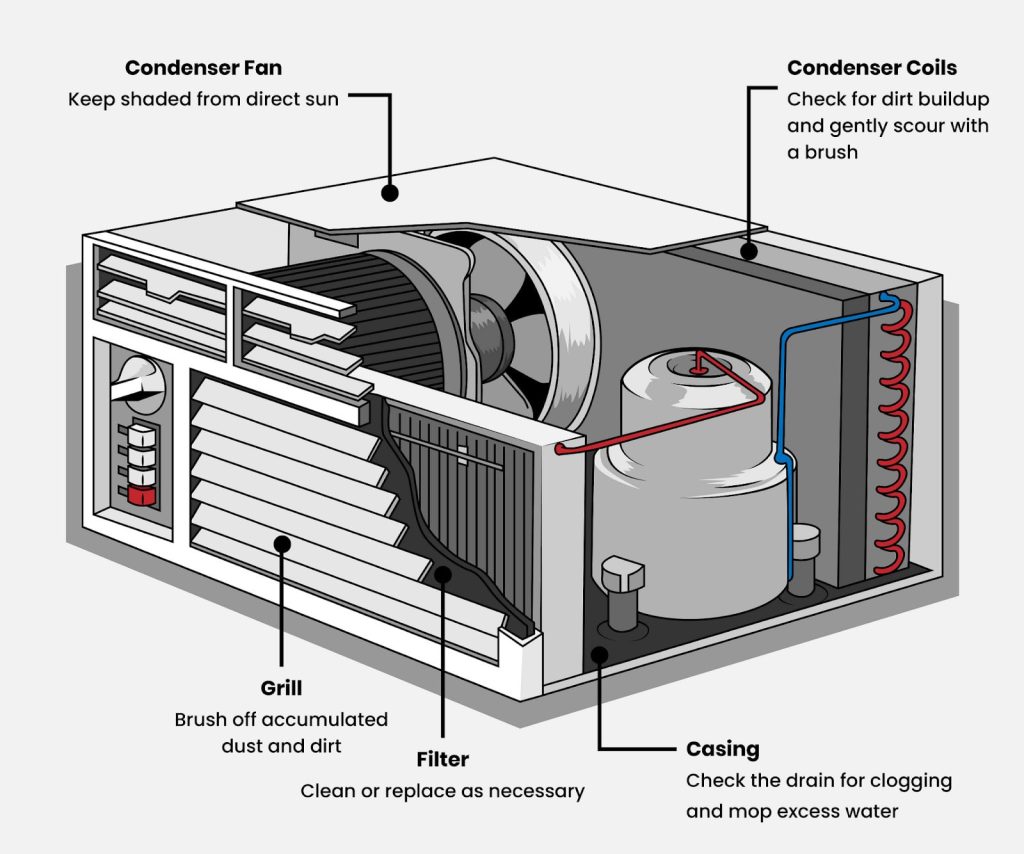
Have you ever wondered why your air conditioner sometimes struggles to cool your home? The secret often lies in a small but crucial part: the coils.
Knowing where the coils are located on your air conditioner can help you spot issues early and keep your system running smoothly. You’ll discover exactly where these coils are and why they matter. By the end, you’ll feel confident about maintaining your AC and avoiding costly repairs.
Keep reading to unlock the hidden world inside your air conditioner.
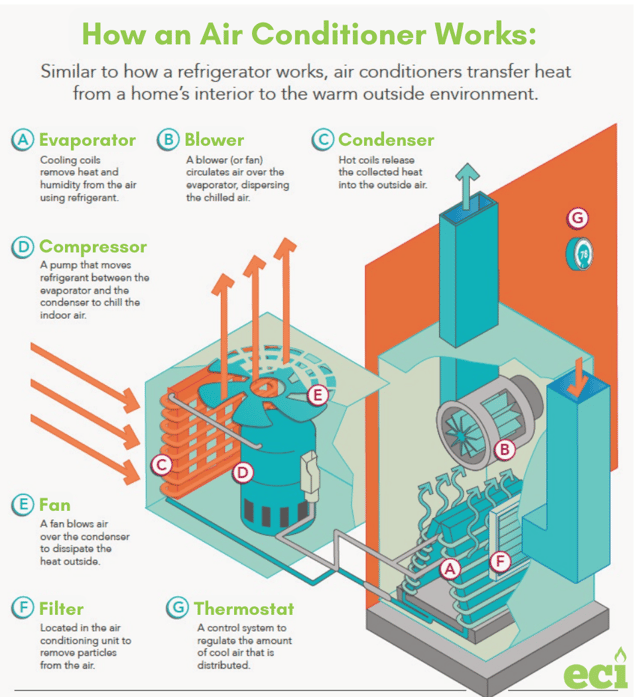
Credit: www.ecicomfort.com
Types Of Ac Coils
Air conditioners use coils to cool and release heat. These coils are key parts of the system.
There are two main types of AC coils. Each has a special job to keep your home cool.
Evaporator Coils
Evaporator coils are inside your home. They absorb heat from the air inside your rooms.
These coils hold cold refrigerant. Warm air passes over them, and the heat moves to the refrigerant.
- Located inside the air handler or furnace
- Made of copper or aluminum tubing with fins
- Works by cooling the indoor air
- Removes moisture to reduce humidity
Condenser Coils
Condenser coils are outside your home. They release the heat absorbed by the evaporator coils.
The refrigerant carries heat to these coils. The outdoor air cools the refrigerant here.
- Located in the outdoor AC unit
- Made of metal tubing with fins to increase surface area
- Releases heat to the outside air
- Helps refrigerant cool down and turn back to liquid
Indoor Coil Placement
Indoor coils are an important part of your air conditioner. They help cool the air inside your home. Knowing where these coils are placed can help you understand how your system works.
Usually, the indoor coil is found inside the air handler. This placement allows it to work efficiently with other parts of the system.
Location Inside The Air Handler
The indoor coil is located within the air handler unit. This unit is often placed in a closet, attic, or basement. The coil sits right above or around the blower fan. This setup lets air flow directly over the coil.
- Coil is near the blower fan
- Placed inside the air handler cabinet
- Located before the air filter in airflow path
- Easy to access for maintenance
Role In Cooling Process
The indoor coil cools warm air from your home. Refrigerant flows through the coil and absorbs heat. The blower fan pushes air over the coil, making the air cold. This cold air then moves through your ducts and into your rooms.
| Step | Action |
|---|---|
| 1 | Warm air enters the air handler |
| 2 | Air passes over the cold indoor coil |
| 3 | Coil absorbs heat from the air |
| 4 | Blower fan moves cooled air through ducts |
| 5 | Warm refrigerant carries heat away to outside unit |
Outdoor Coil Location
The outdoor coil is a key part of an air conditioner. It helps release heat from inside your home to the outside air.
This coil is placed outside the house in a special unit called the condenser. Its location is important for the air conditioner to work well.
Positioning In The Condenser Unit
The outdoor coil sits inside the condenser unit. It wraps around the fan and compressor parts. This helps the coil cool down quickly.
The coil is usually made of metal tubes with fins to increase surface area. Air flows over these fins to carry heat away from the coil.
- The coil surrounds the condenser fan
- It sits above or around the compressor
- Metal fins help air move heat faster
- Position helps heat transfer to outdoor air
Exposure To Outdoor Elements
The outdoor coil is exposed to weather like rain, sun, and dirt. This can affect how well it works over time.
To protect it, the condenser unit has a metal or plastic cover. Still, the coil needs regular cleaning and care to keep air flowing well.
- Exposed to rain, dust, and sunlight
- Covered by protective casing
- Needs regular cleaning to remove dirt
- Proper care keeps the coil efficient
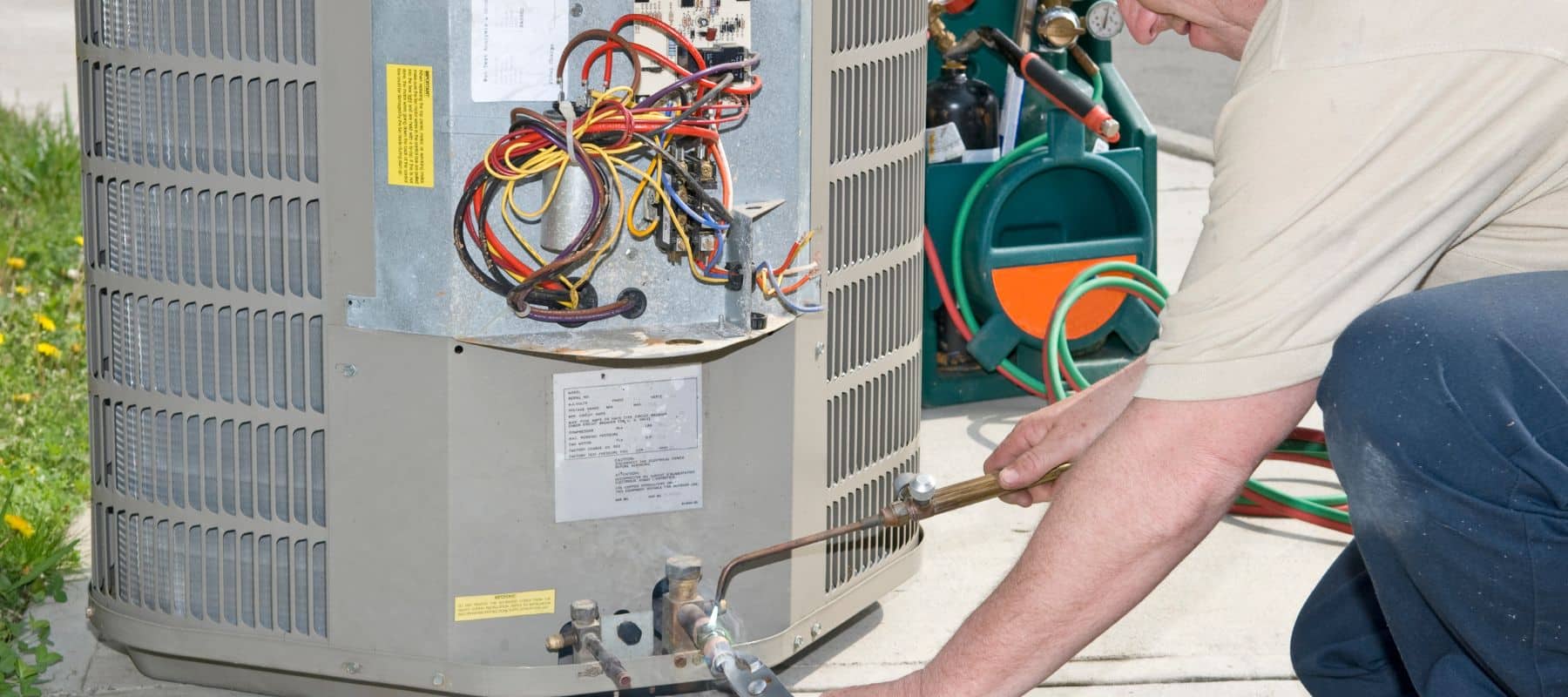
Credit: www.topahill.com
How Coils Affect Ac Performance
Coils play a key role in how well your air conditioner works. They help move heat out of your home. Clean and working coils keep your AC running smoothly.
If the coils get dirty or damaged, your AC will struggle. This can raise energy bills and make your home less comfortable.
Heat Exchange Function
Coils in an air conditioner move heat to cool your home. The evaporator coil absorbs heat from inside the air. The condenser coil releases that heat outside.
- The evaporator coil cools the air inside your home.
- The condenser coil removes heat from the refrigerant.
- Both coils must be clean for good heat transfer.
- Proper heat exchange keeps your AC efficient and effective.
Signs Of Coil Problems
Coil issues can reduce cooling power and increase costs. Watch for these signs that your coils need attention.
| Sign | What It Means |
| Warm Air from Vents | Dirty or frozen evaporator coil |
| Longer Cooling Cycles | Reduced heat exchange efficiency |
| High Energy Bills | Coils not working properly |
| Ice on Coils | Low refrigerant or airflow issues |
Maintenance Tips For Coils
Coils are a key part of an air conditioner. They help cool your home by moving heat.
Keeping coils clean and safe helps the air conditioner work well and last longer.
Cleaning Methods
Cleaning coils stops dirt from blocking airflow. This lets the AC cool better.
Use a soft brush or vacuum to remove dust gently. Avoid bending the thin fins.
- Turn off the power before cleaning
- Use a garden hose with low pressure for outdoor coils
- Do not use harsh chemicals that can damage coils
- Clean coils at least once a year or more if dusty
Preventing Coil Damage
Coils are delicate and can get bent or corroded easily. Protect them to keep AC working well.
Keep plants and debris away from the outdoor unit. Check coils for damage during cleaning.
- Do not use sharp tools on coils
- Keep the area around the unit clean and clear
- Fix bent fins with a fin comb tool
- Schedule professional checkups every year
When To Call A Professional
Coils are key parts of an air conditioner. They help cool your home. Sometimes, coils can have problems. Knowing when to call a professional helps protect your AC.
Professionals can find hidden issues and fix them safely. This stops bigger problems later. It is best to get help early for coil issues.
Inspection Frequency
Check your AC coils at least once a year. Regular inspection keeps your system running well. Dirt and dust can build up on coils fast.
A professional can clean and inspect coils better than a homeowner. They look for leaks, rust, and damage. Early detection saves money and energy.
- Inspect coils before summer starts
- Schedule annual professional check-ups
- Clean coils if dusty or dirty
- Check for unusual noises or smells
Repair Vs Replacement
Small coil problems can be fixed by a professional. Leaks or minor damage often need repair. Repair costs less and takes less time.
Severe coil damage or rust may need replacement. Old coils lose efficiency and raise energy bills. A professional can advise which option is best.
- Repair if damage is small and localized
- Replace if coils are badly corroded or leaking
- Consider age and overall AC condition
- Trust professional advice for best choice

Credit: apexelectricmechanical.ca
Frequently Asked Questions
Where Are Ac Condenser Coils Located?
The condenser coils are typically located in the outdoor unit of an air conditioner. These coils are responsible for releasing the heat absorbed from inside your home. They are usually found around the compressor in the outdoor unit, often in a spiral or grid pattern.
What Is The Function Of Ac Evaporator Coils?
Evaporator coils are located in the indoor unit of an air conditioner. They play a crucial role in absorbing heat from your indoor air. As warm air passes over the coils, the refrigerant inside absorbs the heat, cooling the air that is circulated back into the room.
How Can I Access Air Conditioner Coils?
To access air conditioner coils, first ensure the unit is powered off. For condenser coils, locate them in the outdoor unit by removing the protective panel. Evaporator coils can be accessed inside the indoor unit, usually behind a panel or cover.
Why Are Ac Coils Important For Cooling?
AC coils are essential for the cooling process as they facilitate heat exchange. The evaporator coils absorb heat from indoor air, while the condenser coils release it outside. This process ensures efficient cooling of your indoor environment, maintaining a comfortable temperature.
Conclusion
Coils on an air conditioner play a key role in cooling your home. You find the evaporator coil inside the indoor unit. The condenser coil sits outside in the outdoor unit. Both coils work together to move heat and cool the air.
Knowing their locations helps with basic care and maintenance. Keep coils clean for better air conditioner performance. This simple knowledge can save you time and money. Understanding your AC parts makes home comfort easier to manage.