Struggling to keep your LG refrigerator running smoothly in 2023? Knowing where the coils are located is crucial for maintaining efficiency and extending the lifespan of your appliance.
The coils play a key role in cooling, and if they’re dusty or dirty, they can’t do their job properly. This can lead to higher energy bills and even costly repairs. Imagine the peace of mind you’ll have once you understand exactly where these vital components are and how to maintain them.
Keep reading to uncover this essential knowledge and take control of your refrigerator’s performance today. Your wallet—and your fridge—will thank you!

Credit: www.reddit.com
Locating The Coils On Lg Refrigerators
Knowing where the coils are on an LG refrigerator helps with cleaning and maintenance. Coils play a key role in cooling and energy efficiency. They come in two types: evaporator and condenser coils. Each type has a specific place depending on the model. Understanding coil placement improves fridge care and extends its life.
Coil Placement In Different Models
LG refrigerators vary in coil placement based on model type. Top freezer models usually have condenser coils at the back. Side-by-side and French door models often place coils underneath the fridge. Some newer models hide coils inside panels to protect them from dust. Checking your model’s manual helps find exact coil locations.
Identifying The Evaporator Coils
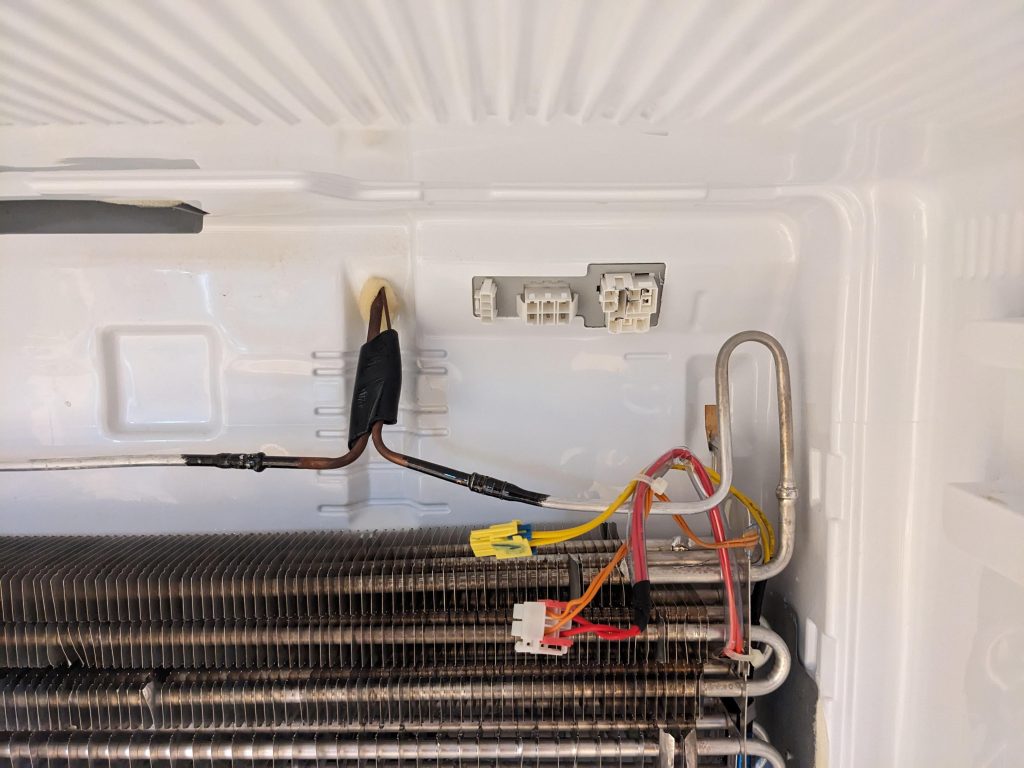
Evaporator coils are inside the fridge or freezer compartments. They absorb heat from inside to keep food cold. These coils usually sit behind a panel or cover inside the freezer section. You might see frost or ice on them during operation. Evaporator coils need to stay clean and frost-free for best performance.
Spotting The Condenser Coils
Condenser coils release heat outside the fridge. They are often found on the back or under the unit. Coils look like metal tubes or grids with thin fins. Cleaning these coils regularly prevents dust buildup. Dust makes the fridge work harder and uses more energy. A simple vacuum or brush can keep them clean.
How To Access The Coils
Accessing the coils on an LG refrigerator helps maintain its efficiency. Coils need regular cleaning to prevent dust and dirt buildup. Knowing how to reach them is useful for any owner.
Two types of coils exist: condenser coils and evaporator coils. Each coil type has a different location and way to access. Follow these steps carefully to avoid damage or injury.
Tools Needed For Access
- Screwdriver set (Phillips and flathead)
- Flashlight for visibility
- Vacuum cleaner with brush attachment
- Soft cloth or brush for cleaning
- Work gloves to protect hands
Steps To Reach The Condenser Coils
- Unplug the refrigerator to ensure safety.
- Locate the back panel near the bottom of the fridge.
- Use a screwdriver to remove screws holding the panel.
- Carefully pull off the panel to expose the coils.
- Use a vacuum or brush to clean the coils gently.
- Replace the panel and secure screws after cleaning.
- Plug the refrigerator back in and check operation.
Steps To Reach The Evaporator Coils
- Empty the freezer compartment completely.
- Remove shelves and bins for easy access.
- Unscrew the interior back panel inside the freezer.
- Pull out the panel carefully to reveal evaporator coils.
- Clean the coils with a soft brush or cloth.
- Reattach the panel and reinstall shelves and bins.
- Close the freezer door and restore power to the fridge.
Signs Your Coils Need Cleaning
Dirty coils reduce your LG refrigerator’s performance. Dust and debris build up on the coils over time. This blocks airflow and traps heat, making the fridge work harder. Spotting signs early helps avoid costly repairs and keeps food fresh.
Here are clear signs your coils need cleaning:
Reduced Cooling Efficiency
Your fridge struggles to keep food cold. Temperatures inside rise even when the settings are low. You notice warm spots in the fridge or freezer. This means the coils cannot release heat properly.
Unusual Noises
The fridge makes louder or strange sounds. The compressor may run longer or more often. These noises show the fridge is under stress. Dusty coils force the system to work harder than usual.
Increased Energy Consumption
Your electricity bills go up without adding new appliances. The fridge uses more power to maintain coolness. Dirty coils cause the compressor to run more, consuming extra energy. Cleaning the coils lowers energy use and saves money.

Credit: oakvalleyappliance.com
Cleaning And Maintenance Tips
Cleaning and maintaining the coils on your LG refrigerator is crucial for keeping it running efficiently. Dirty coils make the compressor work harder, which can increase energy bills and shorten your fridge’s lifespan. Let’s look at some practical tips to help you care for these vital components safely and effectively.
Safe Cleaning Methods
Always unplug your refrigerator before starting any cleaning to avoid electrical hazards. Use a soft brush or a vacuum cleaner with a brush attachment to gently remove dust and debris from the coils. Avoid using water or harsh chemicals, as moisture can damage the coils and cause rust.
If your coils are located underneath the fridge, slide it out carefully to access them. For coils on the back, you can usually clean without moving the unit. Taking your time and being gentle prevents damaging the coils or other parts.
Frequency Of Coil Maintenance
How often should you clean your refrigerator coils? A good rule is every 6 to 12 months, depending on your home’s dust levels and pet presence. Homes with pets or heavy dust will require more frequent cleaning to prevent buildup.
Keep an eye on your fridge’s performance—if it’s running hotter than usual or making more noise, it might be time to check the coils. Regular maintenance can save you from costly repairs down the line.
Avoiding Common Mistakes
Don’t rush through coil cleaning or skip safety steps like unplugging the fridge. Using water or liquid cleaners can cause electrical shorts or corrosion. Also, avoid bending or damaging the coil fins, as this reduces their ability to dissipate heat effectively.
Many people overlook the importance of coil location; not all LG models have coils in the same place. Check your user manual before starting to ensure you’re cleaning the right area. Have you ever cleaned your fridge coils? What was the biggest challenge you faced?
Troubleshooting Coil Issues
Coil issues in LG refrigerators can reduce cooling efficiency and increase energy use. Detecting and fixing these problems early helps avoid costly repairs. Understanding coil problems aids in quick troubleshooting and keeps your fridge working well.
Detecting Coil Damage
Check the coils for dirt, dust, or physical damage. Dirty coils cause poor cooling and higher energy bills. Look for bent or broken fins on the coils. Listen for unusual noises from the compressor area. Warm coils may indicate a problem with heat transfer.
When To Call A Professional
Call an expert if coils are heavily damaged or hard to reach. Professionals handle refrigerant safely and fix complex issues. Avoid trying repairs that need special tools or knowledge. A technician can test for leaks and check the compressor function. Early professional help prevents bigger problems later.
Preventing Future Problems
- Clean coils every 6 months using a soft brush or vacuum.
- Keep the fridge away from direct sunlight and heat sources.
- Ensure proper airflow around the coils for good heat dissipation.
- Check door seals to prevent warm air entering the fridge.
- Schedule regular maintenance to catch issues early.

Credit: www.abt.com
Frequently Asked Questions
Where Are The Coils Located On An Lg Refrigerator?
LG refrigerator coils are usually found at the back or underneath. These coils help dissipate heat efficiently, ensuring optimal cooling performance and energy use.
How To Clean Lg Refrigerator Coils Safely?
To clean LG coils, unplug the fridge first. Use a vacuum or brush gently to remove dust and debris. This improves cooling and extends appliance life.
Why Are Lg Refrigerator Coils Important?
LG coils release heat from inside the fridge. Proper coil function maintains consistent cooling and reduces energy consumption. Dirty coils can cause poor performance.
Can Dirty Coils Affect Lg Refrigerator Cooling?
Yes, dirty coils limit heat release, making the compressor work harder. This reduces cooling efficiency and increases electricity bills. Regular coil cleaning is essential.
Conclusion
Knowing where the coils are helps keep your LG refrigerator working well. The coils usually sit at the back or underneath the fridge. Cleaning them often stops dust build-up and saves energy. A clean coil means your fridge cools better and lasts longer.
Take a little time every few months to check and clean the coils. It is a simple step that makes a big difference. Your LG fridge will thank you with better performance and lower bills. Easy care, smart choice.