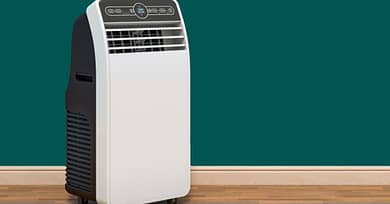
Are you wondering where you can safely dispose of your old air conditioner? Getting rid of an AC unit might seem simple, but it’s important to do it the right way.
If you don’t, you could harm the environment or even face fines. You’ll discover easy and legal options for disposing of your air conditioner. Keep reading to find out how you can protect your home, save money, and make the process stress-free.
Your next steps start here.
Local Disposal Regulations
Municipal rules often control how to dispose of an air conditioner. Many towns require following specific guidelinesto protect the environment. Checking the local government website can help you find these rules easily.
Some places need a special permitto drop off or recycle old air conditioners. This ensures safe handling of harmful parts like refrigerants. Restrictions may also limit when or where you can leave the unit.
| Municipal Guideline | Description |
|---|---|
| Permit Required | Must apply for permission before disposal |
| Drop-Off Locations | Designated spots for recycling or trash |
| Time Restrictions | Specific days or hours for disposal |
| Handling Rules | Safe removal of refrigerants and parts |

Credit: bigrichhauling.com
Recycling Centers
Recycling centers help keep old air conditioners out of landfills. They safely handle harmful chemicals and metals inside units. Many centers accept window, portable, and central air conditioners. Some places might take only certain types.
Use online tools or local government websites to find nearby recycling centers. Call ahead to confirm if they accept your air conditioner type. Some centers offer free drop-off, while others may charge a small fee.
| Air Conditioner Type | Accepted at Most Centers |
|---|---|
| Window AC Units | Yes |
| Portable AC Units | Yes |
| Central AC Systems | Varies |
Retailer Take-back Programs
Many retailers offer take-back programsto help recycle old air conditioners safely. These programs often work with manufacturersto ensure units get recycled correctly.
Manufacturer initiativessometimes include mail-back options or local drop-off points. These efforts help keep harmful chemicals out of landfills.
- Some stores accept old units when you buy a new one.
- Others have special collection days for old appliances.
- Check with local retailers for their specific rules.

Credit: www.acdirect.com
Professional Removal Services
Certified technicians handle air conditioner removal safely. They know how to deal with refrigerants and heavy parts. Using experts reduces the risk of damage to your home.
Costs vary depending on the size of the unit and location. Some services include pickup and recycling fees. Convenience comes from scheduling and quick service.
| Aspect | Details |
|---|---|
| Certified Technicians | Trained to remove and dispose of AC units properly |
| Cost | Depends on unit size and service area |
| Convenience | Easy scheduling and fast removal |
Donation And Resale
Check if the air conditioner works well and has no major damage. Clean the unit to make it more appealing. Find out if the model is still useful or repairable. This helps decide if donation or resale is possible.
Local charities often accept air conditioners for families in need. Some community centers or shelters might take working units. Check online marketplaces or local buy-and-sell groups for resale options. Pricing depends on the condition and brand.
| Donation Places | Resale Options |
|---|---|
| Local shelters | Online marketplaces |
| Community centers | Garage sales |
| Charity organizations | Local buy-and-sell groups |

Credit: www.epa.gov
Environmental Benefits
Proper disposal of air conditioners helps reduce landfill waste. These units contain parts that take a long time to break down. By recycling, fewer materials end up in landfills, helping keep the environment cleaner.
Air conditioners have valuable materialsinside. Metals like copper, aluminum, and steel can be recovered and reused. This lowers the need to mine new resources.
Recycling also prevents harmful chemicalsfrom leaking into the soil and water. This protects plants, animals, and people from damage.
Preparing Air Conditioners For Disposal
Air conditioners contain refrigerantsthat can harm the environment. These must be removed safelyby a certified technician. This step prevents leaks and pollution.
Before disposal, clean the air conditioner to remove dust and dirt. Use a damp cloth and mild soap. Make sure the unit is completely dry to avoid mold.
Packaging the unit properly is important. Wrap it in a plastic cover or place it in a sturdy box. This keeps parts safe during transport and handling.
Frequently Asked Questions
Where Can I Recycle Old Air Conditioners?
You can recycle old air conditioners at local recycling centers or electronic waste facilities. Contact your local waste management authority for guidance. Many appliance stores also offer recycling programs when you purchase a new unit. Always ensure the refrigerant is safely removed by a certified technician before recycling.
Is It Illegal To Throw Away Air Conditioners?
Yes, it is generally illegal to throw air conditioners in regular trash. They contain hazardous materials like refrigerants that can harm the environment. Improper disposal can lead to fines and legal issues. Always follow local regulations for safe and legal disposal methods.
Can I Donate My Used Air Conditioner?
Yes, you can donate a used air conditioner if it is in working condition. Charities, community centers, or thrift stores might accept them. Ensure the unit is clean and functional before donation. Always contact the organization first to confirm they can accept such items.
How Do I Prepare An Air Conditioner For Disposal?
Before disposal, have a certified technician remove the refrigerant. Clean the unit and remove any detachable parts. Check with local waste management for specific preparation guidelines. Proper preparation ensures safe and efficient disposal.
Conclusion
Disposing of an air conditioner is easier than you think. Many places accept old units safely. Recycling centers and some retailers take them for free or a small fee. Proper disposal helps protect the environment from harmful chemicals. Check local rules before throwing away your AC.
Taking the right steps keeps your home and planet clean. Don’t just toss it—dispose of it the right way. Your effort makes a real difference.