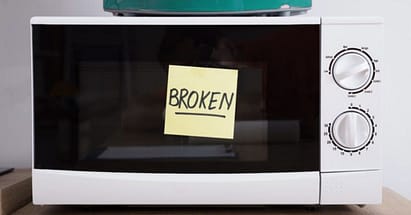
Are you staring at that old microwave oven sitting in the corner of your kitchen, wondering what to do with it? Maybe it’s taking up precious space, or perhaps you’re looking to upgrade to a newer model.
Whatever the reason, figuring out where to dispose of an old microwave can be puzzling. But don’t worry, you’re not alone in this. Many people face the same dilemma, and the good news is there are plenty of options available.
You’ll discover simple and eco-friendly solutions to help you get rid of that outdated appliance without any hassle. Keep reading, and you’ll soon find the perfect way to say goodbye to your old microwave while doing your part for the environment.
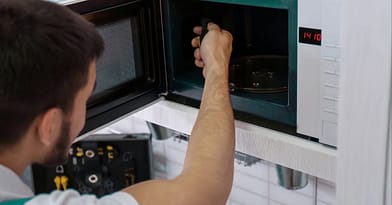
Credit: nixxitjunk.com
Microwave Disposal Basics
Getting rid of an old microwave oven might seem simple, but it requires more care than tossing it in the trash. Understanding the basics of microwave disposal helps you avoid environmental harm and legal trouble. Let’s look at what you need to know before you say goodbye to your old appliance.
Why Proper Disposal Matters
Microwaves contain metals, glass, and electronic components that can be harmful if released into the environment. Throwing them away with regular garbage risks toxic substances leaking into the soil and water.
Proper disposal protects the environment and conserves resources by allowing parts to be recycled or safely processed. Have you ever wondered what happens to your electronics after you throw them away? Taking the right steps ensures your microwave doesn’t end up polluting the planet.
Common Disposal Mistakes
Many people toss microwaves in the landfill or leave them by the curb without checking local rules. This can lead to fines or the microwave being handled in unsafe ways.
Another mistake is removing parts yourself without knowing how to handle hazardous materials inside, like the capacitor which can hold a dangerous charge. Avoiding these errors means you protect yourself and your community.
Have you checked if your city offers special e-waste collection days or drop-off centers? Missing these options is a common oversight that wastes the chance for proper recycling.

Credit: providentjunk.ca
Local Disposal Options
Finding the right place to dispose of your old microwave oven locally can make the process simple and environmentally friendly. Many communities offer specific options designed to handle bulky electronics safely. Knowing where to go can save you time and ensure your appliance doesn’t end up harming the environment.
Municipal Waste Facilities
Many cities have municipal waste facilities that accept old microwave ovens. These centers often have designated areas for electronic waste, so you won’t have to guess where to drop off your appliance. Some facilities even offer free disposal services for residents, making it cost-effective to get rid of your microwave responsibly.
Before you head out, check your local government’s website or call the waste facility. This can help you confirm the hours, any fees, and whether you need to make an appointment. Have you ever been turned away because you didn’t check in advance? Avoid that hassle by planning ahead.
Electronic Recycling Centers
Electronic recycling centers specialize in safely breaking down devices like microwaves. They separate hazardous materials and recycle metals and plastics, reducing landfill waste. These centers often accept microwaves even if they’re broken or no longer working.
Many electronic stores or community groups partner with recyclers to offer drop-off events. These can be convenient if you want to combine errands or need a quick, local option. Could your nearest electronics store be the hidden solution for your disposal needs?
Retailer Take-back Programs
Retailer take-back programs offer a simple way to dispose of old microwave ovens. Many stores accept used appliances for recycling or proper disposal. These programs help keep harmful materials out of landfills. They also ensure valuable parts get reused or recycled safely.
Store Trade-in Offers
Some retailers provide trade-in deals when you buy a new microwave. You bring your old microwave, and the store takes it back. This option saves time and effort. Stores often recycle the old microwave at no extra cost. It’s a convenient way to upgrade and recycle responsibly.
Manufacturer Recycling Services
Many manufacturers run recycling programs for their products. They accept old microwaves by mail or at local drop-off points. These services guarantee safe and eco-friendly disposal. Check the manufacturer’s website for instructions and locations. Using these programs supports sustainable waste management.
Donation And Reuse Opportunities
Donating or reusing your old microwave oven is a smart way to extend its life and help others. Instead of throwing it away, you can give it a second chance by passing it on to someone who needs it. This approach reduces waste and supports communities in practical ways.
Charity Organizations
Many charity groups accept working microwaves to provide affordable household items to families in need. You can contact local shelters, thrift stores, or nonprofit groups to see if they accept kitchen appliances. Some organizations even offer pickup services, making it easier for you to donate.
Think about the last time you upgraded your microwave. Could your old one still heat a meal or warm a cup of coffee? If yes, it might be perfect for a charity that helps people starting fresh or facing tough times.
Community Swap Events
Community swap events are great places to give away your microwave and find something useful in return. These events bring neighbors together to exchange items without spending money. You might be surprised how many people look for affordable appliances like microwaves at these gatherings.
Check your town’s event calendar or social media pages for upcoming swaps. If you haven’t attended one before, it’s a fun way to meet people and reduce waste at the same time. Have you ever swapped something useful in your community?
Safe Handling And Preparation
Properly handling and preparing an old microwave oven before disposal is essential. It helps protect the environment and ensures safety. Taking a few careful steps can prevent harm from hazardous parts.
Removing Hazardous Components
Microwave ovens contain parts that need special care. These include the capacitor and magnetron. They store electricity and can be dangerous if broken.
Before disposal, unplug the microwave and let it sit for a few minutes. This allows stored electricity to drain. Avoid touching internal parts without knowledge or tools.
Remove the glass tray and metal components. These parts can often be recycled separately. Do not throw them in the trash.
Cleaning Before Disposal
Cleaning the microwave is important before dropping it off. Wipe the inside to remove food residue and grease. Use a mild detergent and a damp cloth for this.
Make sure the microwave is dry to prevent mold growth. Remove any loose parts and package them safely. This helps recycling centers handle the appliance better.
Environmental Benefits Of Recycling
Recycling old microwave ovens helps protect the environment. It stops harmful waste from damaging nature. Recycling saves energy and reduces pollution. It supports a cleaner, healthier planet for everyone.
Reducing Landfill Waste
Microwave ovens contain parts that do not break down easily. Throwing them in landfills adds to large piles of trash. These piles release chemicals into the soil and water. Recycling keeps these harmful items out of landfills. It lowers the amount of waste and pollution.
Recovering Valuable Materials
Microwaves have metals, glass, and plastics that can be reused. Recycling recovers these materials to make new products. This process uses less energy than making materials from scratch. It saves natural resources and reduces mining activities. Reusing parts also cuts down on air and water pollution.
Tips For Finding Local Resources
Finding the right place to dispose of your old microwave oven can feel confusing at first. But there are local resources ready to help, often just a quick search or phone call away. Knowing how to tap into these resources makes the process smoother and ensures your microwave is handled responsibly.
Using Online Search Tools
Start by typing simple queries like “microwave disposal near me” into your favorite search engine. You’ll often find local recycling centers, donation spots, or special collection events listed right away.
Websites like Earth911 or your city’s official waste management page offer detailed information and sometimes even map locations. These tools save time and prevent guesswork, so you don’t end up at a place that won’t accept your microwave.
Contacting Local Authorities
Your city or county waste management office is a valuable resource. Give them a call or check their website to ask about specific rules for disposing of appliances like microwaves.
Many municipalities have scheduled bulky item pickups or designated drop-off sites for electronics. By reaching out, you get accurate, up-to-date info tailored to your area, which can often include tips on how to prepare your microwave for disposal.

Credit: samrinc.com
Frequently Asked Questions
Where Can I Recycle An Old Microwave Oven?
You can recycle old microwaves at local e-waste centers. Many communities have designated drop-off points for electronics. Retailers sometimes offer take-back programs. Check with municipal waste facilities for specific recycling guidelines near you.
Can I Dispose Of A Microwave In Regular Trash?
Microwaves should not be thrown in regular trash. They contain hazardous materials that can harm the environment. Use authorized e-waste recycling services instead. Proper disposal ensures safe handling and resource recovery.
Are There Donation Options For Working Microwaves?
Yes, working microwaves can be donated. Charities, shelters, and thrift stores often accept small appliances. Ensure the microwave is clean and in good condition before donating. This helps reduce waste and supports those in need.
How Do I Safely Prepare A Microwave For Disposal?
Unplug and clean the microwave before disposal. Remove any batteries or detachable parts. Check local rules for specific preparation steps. Proper prep helps recycling centers handle the appliance safely.
Conclusion
Proper disposal of your old microwave keeps your home safe and clean. Many places accept old microwaves, like recycling centers and donation spots. Some stores offer take-back programs for old appliances. Avoid throwing microwaves in regular trash to protect the environment.
Recycling helps save materials and reduces waste. Check local rules to find the best place nearby. Taking a few minutes to dispose of your microwave correctly makes a big difference. Keep these tips in mind to handle your old microwave the right way.