Looking for the perfect place to work on your car? Whether you’re fixing a simple issue or diving into a big project, finding the right spot can make all the difference.
You want a space that’s safe, equipped, and easy to access. But where exactly can you roll up your sleeves and get started without hassle? Keep reading, and you’ll discover the best options that fit your needs—so your car repairs and upgrades go smoothly from start to finish.
Home Garage
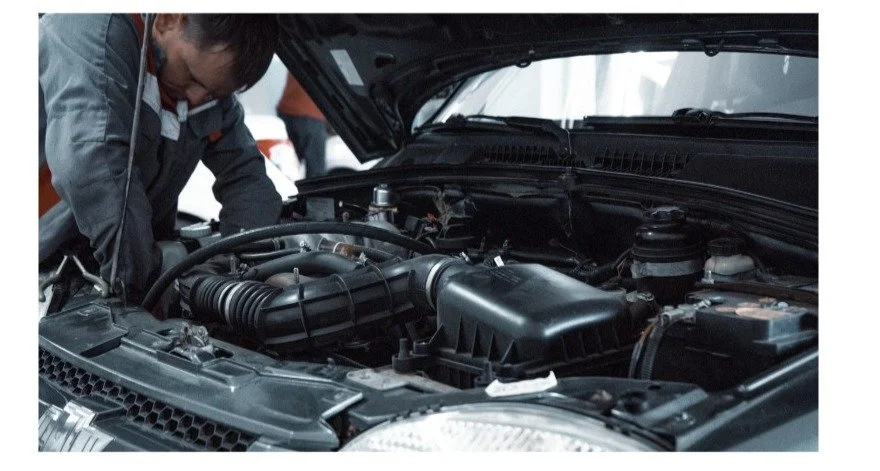
Your home garage can be the perfect spot to work on your car, offering convenience and control over your projects. It’s a space where you can take your time, keep your tools handy, and create a personalized environment for all your automotive needs. But making your garage both functional and safe requires some thoughtful planning and setup.
Essential Tools And Setup
Start with the basics: a good set of wrenches, screwdrivers, a jack, and jack stands are must-haves. Invest in quality tools that will last and make your work easier. Adding a sturdy workbench with good lighting helps you stay organized and focused.
Don’t forget storage solutions like pegboards or tool chests to keep everything within reach. A rolling tool cart can save you time by moving your tools around with you. Have you considered adding a creeper to slide under the car comfortably? It’s a game-changer for inspecting and fixing parts underneath.
Space Optimization Tips
Garages often have limited space, so every inch counts. Use vertical space by installing wall-mounted shelves and hooks. This keeps the floor clear and gives you more room to move around.
Try folding workbenches or fold-away seats to maximize flexibility. Clear labeling of tool areas helps reduce time hunting for what you need. Could a magnetic strip for small metal parts or screws help keep your workspace tidy?
Safety Precautions
Safety should never be an afterthought in your garage. Always keep a fire extinguisher nearby and know how to use it. Avoid clutter, as loose items on the floor can cause trips and falls.
Wear protective gear like gloves and safety glasses, especially when working with chemicals or power tools. Ensure your garage is well-ventilated to avoid harmful fumes. How often do you check your equipment for wear and tear? Regular maintenance can prevent accidents before they happen.
Credit: www.offthemrkt.com
Driveway Or Outdoor Space
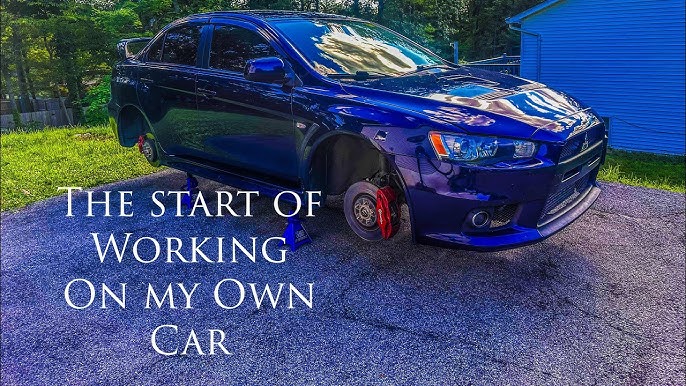
Using a driveway or outdoor space for car repairs offers convenience and easy access. It allows you to work on your vehicle right at home without extra travel. This option suits simple tasks like oil changes, tire swaps, or cleaning. Outdoor spaces provide enough room but require some planning for comfort and safety.
Weather Considerations
Weather plays a big role in working outdoors. Rain, snow, or strong winds can stop your work. Sun exposure may cause fatigue or heat issues. Early mornings or late afternoons often have better temperatures. Have a tarp or canopy ready for sudden weather changes. Check forecasts before starting repairs to avoid interruptions.
Permits And Neighborhood Rules
Some areas have rules about car repairs in driveways. Local laws may require permits for certain work. Neighborhood associations sometimes ban visible repairs. Check your city or town regulations to avoid fines. Respect your neighbors by keeping noise and mess low. Clean up thoroughly after finishing your work.
Protecting Your Vehicle And Environment
Protect your driveway and the ground from spills. Use drip pans under the car to catch oil or fluids. Lay down plastic sheets or cardboard for extra protection. Dispose of fluids and parts properly to avoid pollution. Keep tools organized to prevent accidents. Cover your vehicle to shield it from dust and debris.
Community Workshops
Community workshops offer a great place to work on your car. These spaces bring together people who love fixing and improving vehicles. They provide tools and space that might not be available at home. These workshops create a friendly environment where you can learn new skills and share knowledge.
Finding Local Diy Garages
Start by searching online for community garages nearby. Local forums and social media groups often list DIY workshops. Check community centers or technical schools for open garage events. Ask friends or car clubs about recommended spots. Maps and review sites can show popular locations.
Membership And Fees
Most community workshops require membership to use their space. Fees vary from free to a small monthly or yearly payment. Some charge per visit or hour to cover maintenance costs. Membership usually includes access to tools and safety training. Ask about cancellation policies and trial periods before joining.
Available Equipment And Resources
Community workshops often provide essential car repair tools. These include lifts, air compressors, and hand tools. Some have specialized equipment like engine hoists and diagnostic machines. Workshops might offer manuals or guides for various car models. Staff or volunteers can give advice and technical help.
Auto Repair Schools
Auto repair schools offer a unique space to work on your car, especially if you want to learn while doing. These schools provide more than just a place—they give you access to tools, expert guidance, and a learning environment tailored for hands-on experience. If you’re looking to improve your car skills or tackle complex repairs, this could be a smart option.
Access To Professional Tools
One big advantage of working on your car at an auto repair school is the access to professional-grade tools and equipment. You won’t have to worry about buying expensive tools just to fix one issue.
These schools often have specialized diagnostic machines, lifts, and tool sets that you might not find at home. Using the right tools can save you time and help you understand the repair process better.
Learning Opportunities
Auto repair schools are designed to teach, so you get more than just a workspace—you get knowledge. You can ask instructors for advice, watch demonstrations, or even join classes that match your repair needs.
Imagine fixing your brakes while a professional explains each step. This hands-on learning can boost your confidence and help you avoid common mistakes.
Scheduling And Costs
Keep in mind that using auto repair schools usually requires scheduling ahead of time. Some schools offer open shop hours, while others might have set class times you must follow.
Cost varies widely; some schools charge a fee for workspace use, while others include it in tuition. Think about how much time you’ll need and check if the pricing fits your budget before committing.
Storage Units Or Rental Garages
If you don’t have a dedicated garage or driveway, storage units or rental garages offer a practical alternative for working on your car. These spaces provide a private area where you can focus on repairs or maintenance without distractions. But are they the right choice for you? Let’s look closer at what renting such a space involves.
Benefits Of Renting Space
Renting a storage unit or garage gives you a controlled environment that’s often sheltered from the elements. This means you can work on your car even during bad weather without worrying about rain or extreme heat.
Many rental spaces come with electricity, letting you use power tools and lighting easily. Plus, having a dedicated spot means you can leave your project and tools set up, saving time and hassle.
Have you noticed how frustrating it is to clean up after every work session? With your own space, you can organize tools and parts just the way you like, making every visit more efficient.
Security And Access
Security is a major concern when you leave your car and tools unattended. Most rental garages and storage units offer secure locks, gated access, and sometimes even surveillance cameras. This reduces the risk of theft or vandalism significantly.
Access hours vary, so check if the facility’s schedule matches your working habits. Some places offer 24/7 access, which is ideal if you prefer working late or early. Others may restrict entry during certain hours, which could limit your flexibility.
Setting Up Your Workspace
Once you rent a unit, think about how you want to set it up. Start by adding sturdy shelving or cabinets to keep tools organized and off the floor. Good lighting is essential—portable work lights or installed fixtures can help you see clearly.
Consider adding a foldable workbench or a rolling tool cart to keep everything within reach. If space allows, a small fan or heater can make your work environment more comfortable during extreme temperatures.
What would make your workspace feel more like your own? Personal touches like posters or a small radio can make those long repair sessions more enjoyable. After all, a comfortable space can boost your focus and productivity.
Mobile Mechanic Services
Mobile mechanic services bring car repair right to your doorstep. This option lets you fix your car without driving it to a shop. Mechanics come equipped with tools and parts to handle many common repairs. It saves time and effort, especially for busy schedules or urgent needs.
When To Use Mobile Services
Choose mobile services if your car won’t start or cannot be driven safely. Also helpful for small repairs and regular maintenance. Ideal for busy people who cannot visit a garage easily. Emergency breakdowns on the road can be handled quickly. Mobile mechanics can work at home, office, or any safe location.
Combining Diy With Professional Help
DIY can save money on simple tasks like oil changes or replacing filters. Mobile mechanics can assist with complex problems or when special tools are needed. This teamwork can improve your car’s condition and your skills. You learn from experts while avoiding costly mistakes. It creates a flexible and efficient repair experience.
Cost And Convenience
Mobile mechanic services often cost less than traditional garages. You save on towing fees and travel time. Pricing is usually transparent and based on the job done. Scheduling is flexible, fitting your daily routine easily. This service provides comfort by working in your preferred location.
Safety And Legal Considerations
Working on your car can be rewarding. Safety and legal rules must come first. Ignoring these can cause fines or injuries. Knowing local laws and using the right safety gear protect you and the environment. This guide helps you stay safe and legal while working on your car.
Local Regulations And Permits
Many places have rules about car repairs. Some areas do not allow repairs in driveways or streets. Check local laws before starting work. Some jobs need permits or special approval. Failure to follow rules can lead to fines or stop work orders. Always confirm what is allowed in your neighborhood.
Environmental Impact
Car repairs can harm the environment if done carelessly. Used oil, brake fluid, and batteries need proper disposal. Avoid dumping chemicals on the ground or in drains. Spills can pollute water and soil. Use drip pans and absorbent materials to catch spills. Follow local guidelines for disposing of waste safely.
Personal Protective Equipment
Protect yourself with the right gear. Always wear gloves to keep hands clean and safe. Use safety glasses to protect eyes from debris. Wear closed-toe shoes to guard your feet. Consider ear protection when using loud tools. Proper clothing reduces risk of cuts and burns. Safety gear is a must for every car project.

Credit: www.reddit.com

Credit: www.youtube.com
Frequently Asked Questions
Where Can I Legally Work On My Car?
You can legally work on your car in your own driveway or garage. Some public places, like certain parking lots, may also allow it. Always check local regulations to ensure compliance, as laws vary by location.
Can I Work On My Car At Night?
Working on your car at night is possible, but consider noise ordinances in your area. Use adequate lighting to ensure safety and efficiency. Notify neighbors if necessary, to maintain good relations.
What Tools Do I Need For Basic Car Repairs?
Basic car repairs often require a set of wrenches, screwdrivers, and a jack. You may also need pliers, a socket set, and a multimeter. Having these tools handy can make the job easier and more efficient.
Is It Safe To Work On My Car Alone?
Working on your car alone can be safe with proper precautions. Ensure your car is securely lifted and always use jack stands. Inform someone nearby of your activities for added safety.
Conclusion
Finding the right place to work on your car makes a big difference. Small garages, community workshops, or even your driveway can work. Choose a spot with good tools and enough space. Safety matters most, so keep the area clean and well-lit.
Working on your car can save money and teach new skills. Take your time and enjoy the process. Your car will thank you for the care. Keep exploring places that fit your needs best.