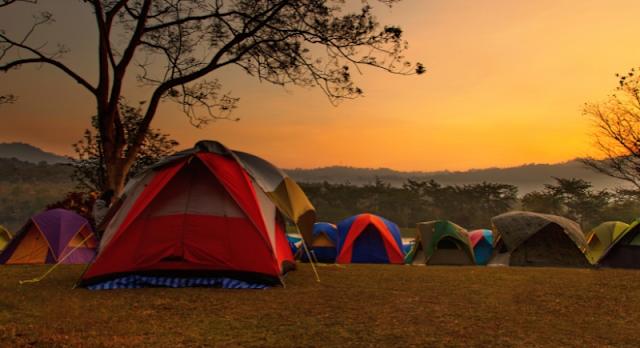
Looking to set up your tent without spending a dime? Finding free places to pitch your tent can save you money and bring you closer to nature.
But where exactly can you camp for free without breaking any rules? This guide will reveal the best spots and insider tips to help you enjoy your outdoor adventure without worrying about fees. Keep reading—you’re about to discover how easy and rewarding free camping can be.

Credit: www.hipcamp.com
Public Lands For Free Camping
Camping on public lands lets you enjoy nature without paying fees. Many areas allow you to pitch a tent for free.
These lands offer quiet spots for camping away from busy campgrounds. You can find beautiful places in forests, deserts, and mountains.
National Forests
National Forests cover millions of acres across the country. Most allow dispersed camping, which means you can camp outside official sites.
You must camp at least 100 feet away from roads, trails, and water sources. Some forests have limits on how many days you can stay.
- Camp away from roads and trails
- Pack out all trash and waste
- Check local rules before camping
- Use a camp stove instead of fires in dry areas
Bureau Of Land Management Areas
The Bureau of Land Management (BLM) manages large public lands, mostly in western states. Many BLM areas allow free camping in undeveloped spots.
You can camp for up to 14 days in one spot on most BLM lands. These areas are often remote and offer great views of deserts and mountains.
- Follow BLM camping rules and limits
- Use existing campsites if possible
- Do not damage plants or wildlife
- Bring enough water and supplies
State Trust Lands
State Trust Lands are owned by states to support schools and public services. Some states allow camping on these lands for free or a small fee.
Rules vary by state. Always check local regulations before camping on State Trust Lands. Some areas may need permits or have restrictions.
- Contact state land offices for rules
- Camp only in allowed areas
- Respect wildlife and plants
- Leave no trace of your visit
Dispersed Camping Basics
Dispersed camping means setting up your tent outside of a designated campsite. It offers solitude and a closer connection to nature. This type of camping is popular in national forests and on public lands.
Before heading out, it’s important to understand the basics. Knowing where to camp and following guidelines is essential. Let’s explore the key aspects of dispersed camping.
Rules And Regulations
Every area has its own rules for dispersed camping. Check local regulations before setting up your tent. Some areas require permits, while others have restrictions on campfire use.
Stay informed about boundaries and prohibited zones. It’s crucial to respect private property and wildlife habitats.
Leave No Trace Principles
Leave No Trace principles help protect natural areas. Always pack out what you pack in. This includes trash, leftover food, and gear.
Minimize your impact by staying on durable surfaces. Avoid disturbing plants and wildlife to keep the environment pristine.
- Plan ahead and prepare
- Travel and camp on durable surfaces
- Dispose of waste properly
- Leave what you find
- Respect wildlife
- Be considerate of other visitors
Finding Dispersed Sites
Research is key to finding great dispersed camping sites. Use maps and online resources to locate areas open for camping. National forests and Bureau of Land Management lands are good places to start.
Look for existing campsites to minimize impact on the environment. Choose spots at least 200 feet away from water sources to protect riparian zones.
- Check online forums and apps for site recommendations
- Consult ranger stations for local advice
- Use GPS to mark potential sites
Free Camping Near Water Bodies
Camping near water is a popular choice for many outdoor lovers. Free spots by lakes, rivers, and coasts offer beautiful views and a peaceful stay.
Knowing where to pitch your tent safely and legally helps you enjoy your trip without trouble. Here are some common free camping areas close to water.
Lakeshores
Lakeshores are great for free camping because of calm water and scenic views. Many public lands and national forests allow camping near lakes.
- Look for public access points to lakes.
- Check local rules about camping near water.
- Keep a safe distance from private property.
- Use fire rings if provided to protect nature.
Riversides
Riversides offer fresh water and relaxing sounds of flowing water. Many state parks and forest areas have free camping sites near rivers.
| River | Camping Spot | Facilities |
| Clearwater River | North Fork Campground | Fire pits, toilets |
| Salmon River | Big Eddy | Picnic tables, water |
| Green River | Horseshoe Bend | None (primitive camping) |
Coastal Areas
Coastal camping lets you sleep near the ocean or sea. Many free camping spots exist on public beaches or coastal forest lands.
- Check tide schedules to avoid high tide risks.
- Use biodegradable soap to protect marine life.
- Secure your tent against strong coastal winds.
- Respect wildlife and avoid nesting areas.
Urban And Suburban Free Camping Spots
Finding free camping spots near cities can save money and offer convenience. Urban and suburban areas have several places where you can pitch a tent without paying.
These spots give you a chance to enjoy nature close to home. Below are some good options to consider for free camping.
City Parks With Camping
Some city parks allow camping for free or with minimal permits. These parks often have basic facilities like toilets and water. Camping here means you are near city amenities.
- Check local rules before setting up your tent
- Use designated camping areas only
- Keep the area clean and follow park hours
- Respect other park users and wildlife
Community Land Access
Some communities share land for camping through programs or agreements. These lands may be open fields or wooded areas near towns. Access rules vary, so always confirm first.
| Type of Land | Access Method | Typical Rules |
| Community Farms | Permission from owners | Limited stay, no fires |
| Shared Woodlands | Local camping groups | Leave no trace |
| Public Open Space | City or county permission | No vehicles, quiet hours |
Parking Lots And Rest Areas
Parking lots and highway rest areas can be free spots for short-term tent camping. These places offer safety and easy access but usually limit how long you can stay. Use caution and follow posted rules.
- Choose quiet, less busy locations
- Set up your tent discreetly
- Keep noise low and respect others
- Do not block parking or emergency access
Apps And Websites For Free Camping
Finding places to pitch a tent for free can be tricky. Many apps and websites help campers find free spots easily.
These tools show public lands, private spots, and hidden camping areas without fees. They make camping more affordable and fun.
Top Free Camping Apps
Some apps focus on free camping locations. They list spots on public lands or private properties that allow camping without charge.
- Campendium: Shows free campsites with user reviews and photos.
- FreeRoam: Finds free camping on public lands and offers maps.
- iOverlander: Lists free and paid camping spots worldwide.
- AllStays: Includes a filter for free camping areas.
- Gaia GPS: Offers offline maps highlighting free camping zones.
Helpful Online Forums
Online forums connect campers who share free camping tips. Members post about hidden spots and camping rules.
- Reddit’s r/FreeCamping: Users share free camping locations and advice.
- Backpacking Light Forums: Discusses free camping on trails and public lands.
- Thrifty Nomads Forum: Focuses on budget travel and free camping tips.
- Freecampsites.net Forum: Community updates on free camping areas.
- Overland Bound: Talks about off-road and free camping options.
Mapping Tools
Mapping tools help locate free camping spots on public lands and open areas. They show terrain and access details.
- Google Maps: Use satellite view to find open spaces for camping.
- US Public Lands Viewer: Shows boundaries of national forests and BLM land.
- OnX Hunt: Maps public lands for camping and hunting.
- CalTopo: Offers detailed topo maps showing camp-friendly zones.
- OpenStreetMap: Community-made maps with camping info.

Credit: www.aol.com
Safety Tips For Free Camping
Free camping offers a great way to enjoy nature without spending money. It is important to stay safe while camping in wild areas.
Following safety tips helps protect you and the environment. Learn how to camp safely with wildlife, weather, and fire in mind.
Wildlife Awareness
Animals live freely where you camp. Respect their space to avoid danger. Keep food stored safely and never feed wildlife.
- Store food in sealed containers away from your tent
- Keep a clean campsite to avoid attracting animals
- Do not approach or feed wild animals
- Make noise when walking to avoid surprising animals
- Know which animals live in the area before camping
Weather Preparedness
Weather can change fast in nature. Be ready for rain, cold, or heat to stay safe and comfortable.
| Weather Condition | Safety Tip |
| Rain | Bring waterproof gear and set up tent on high ground |
| Cold | Wear layers and carry a warm sleeping bag |
| Heat | Stay hydrated and find shade during peak sun |
| Wind | Secure tent stakes and avoid loose objects |
Campfire Safety
Campfires add warmth and light. Use care to prevent wildfires and burns.
Follow these campfire safety rules:
- Build fires only in allowed areas or fire rings
- Keep water or sand nearby to put out the fire
- Never leave a fire unattended
- Fully extinguish the fire before sleeping or leaving
- Clear flammable materials around the fire site
Etiquette For Free Campers
Camping for free is a great way to enjoy nature without paying fees. It is important to follow good manners to keep places open for everyone.
Respect and care help protect the environment and keep good relations with landowners and neighbors.
Respecting Private Property
Always get permission before camping on private land. Do not enter without asking the owner.
Stay away from buildings, crops, and livestock. Use existing trails and roads to avoid damage.
- Ask landowners politely for permission
- Camp only in allowed areas
- Do not disturb animals or plants
- Leave gates as you found them
Minimizing Impact
Keep your camping footprint small. Do not leave trash or damage nature.
Use a camp stove instead of making fires. If fires are allowed, keep them small and controlled.
- Pack out all trash and leftovers
- Use biodegradable soap away from water
- Camp on durable surfaces like rocks or dirt
- Keep noise levels low to respect wildlife
Community Relations
Be polite and friendly to neighbors and other campers. Good behavior builds trust and respect.
Follow local rules and customs. Report any problems to the proper authorities to help protect the area.
- Respect quiet hours and private spaces
- Share space fairly with other campers
- Inform local rangers or owners if you see damage
- Support community efforts to keep camping areas clean

Credit: www.battlbox.com
Frequently Asked Questions
Where Can You Legally Pitch A Tent For Free?
You can legally pitch a tent on public lands like national forests and BLM areas. Always check local regulations before camping. Some state parks also offer free dispersed camping spots. Avoid private property unless you have permission from the owner.
Are There Free Camping Sites In National Forests?
Yes, many national forests offer free dispersed camping areas. These sites usually lack amenities like water and toilets. Campers must follow Leave No Trace principles. Check forest-specific rules and maps to find suitable spots.
Can You Camp For Free On Bureau Of Land Management Lands?
Yes, BLM lands provide many free camping opportunities. These areas are usually remote and primitive. Always verify site rules and fire restrictions. Pack out all trash and respect wildlife habitats.
What Are The Best Apps To Find Free Tent Camping?
Apps like iOverlander, Campendium, and FreeRoam help locate free camping spots. They provide user reviews, GPS coordinates, and amenities info. These tools make it easier to find legal, safe places to pitch a tent.
Conclusion
Free tent camping spots offer great ways to enjoy nature without cost. Many public lands and parks allow camping with no fees. Always check local rules before setting up your tent. Respect the environment and leave no trace behind. Camping for free can make your trip more fun and affordable.
Explore these spots and enjoy peaceful nights under the stars. Remember, safe and responsible camping helps keep these places open for everyone. Happy camping!