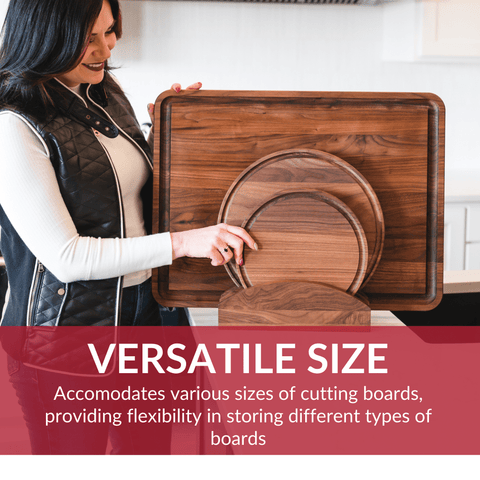
Where do you keep your cutting boards when they’re not in use? You might not realize it, but where you store them can make a big difference in keeping your kitchen clean and your food safe.
Storing cutting boards the wrong way can lead to bacteria buildup and even damage the boards themselves. You’ll discover the safest and smartest spots to store your cutting boards, so you can protect your health and extend the life of your kitchen tools.
Keep reading to learn simple tips that will change how you organize your kitchen for the better.
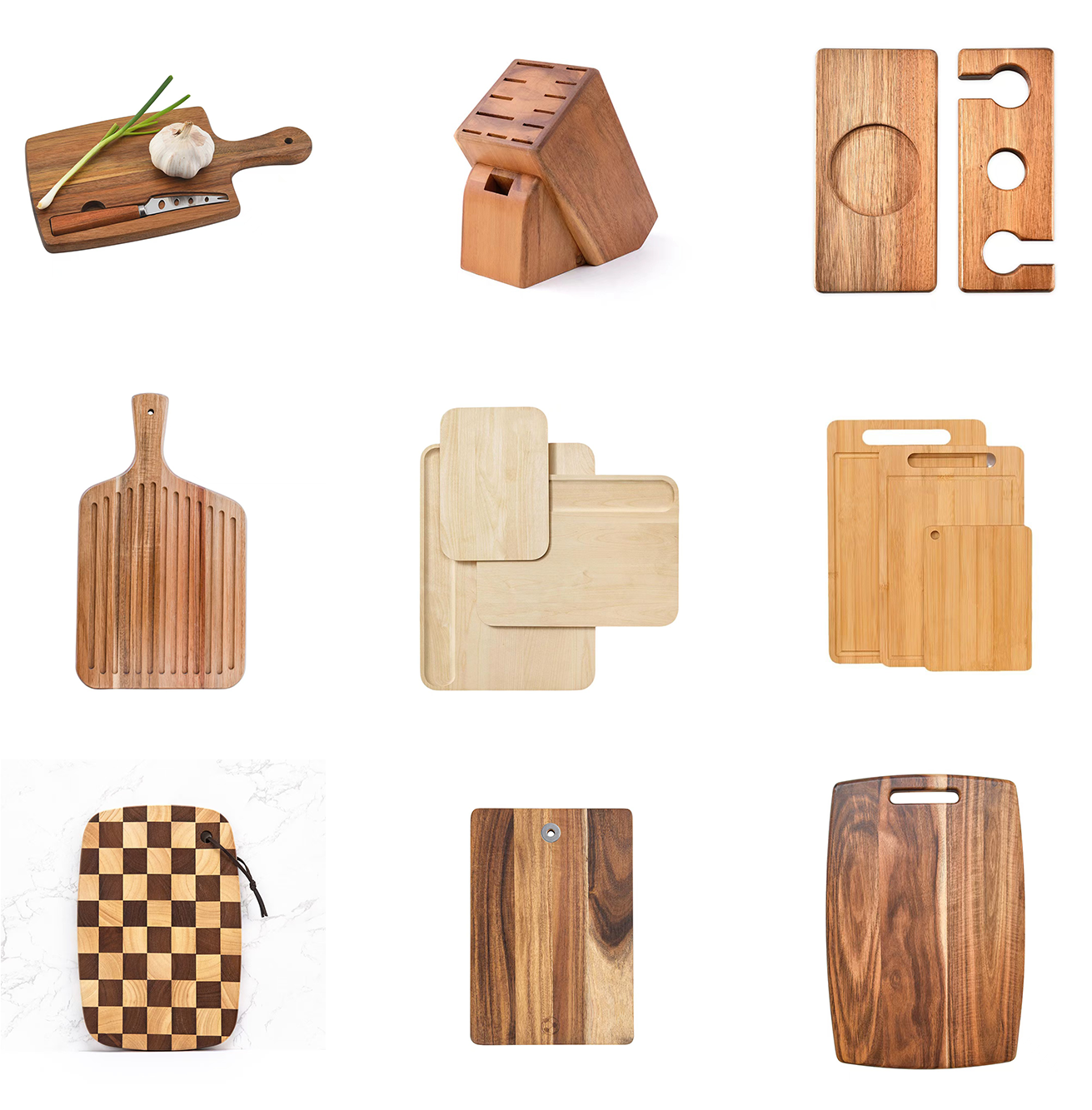
Credit: www.justwoodencuttingboard.com
Countertop Storage Options
Cutting boards need a safe and dry place on your countertop. Good storage keeps them clean and ready to use.
There are several ways to store cutting boards on the countertop. Choose a method that fits your kitchen space and style.
Dedicated Cutting Board Racks
Dedicated racks hold cutting boards upright and separate. This stops boards from touching and keeps air flowing.
These racks are made to fit different sizes. They keep boards dry and easy to grab while cooking.
- Keep boards dry to prevent bacteria
- Easy to clean and maintain
- Organized and space-saving
Utilizing Vertical Space
Use vertical space by placing racks or holders against the wall. This keeps the countertop clear.
Vertical storage saves room and helps cutting boards dry faster by exposing more surface to air.
- Mount racks on the wall near the countertop
- Use tall holders that fit between appliances
- Stack cutting boards upright to save space
Incorporating Decorative Trays
Decorative trays group cutting boards with other kitchen items. They add style and keep boards tidy.
Trays protect the countertop from moisture. They also make it easy to move boards when needed.
- Choose trays that match your kitchen decor
- Use trays with raised edges to catch drips
- Combine boards with utensils or knives on trays
Cabinet Storage Solutions
Cutting boards need a safe, dry place to keep their shape and stay clean. Cabinets offer many smart options for storing these kitchen tools.
Organizing cutting boards inside cabinets keeps your kitchen tidy and your boards ready to use. Choose the right method for your space and boards.
Pull-out Drawers And Organizers
Pull-out drawers make it easy to reach cutting boards without moving other items. Organizers inside drawers keep boards upright and separated.
- Use shallow drawers for quick access
- Install adjustable dividers to fit different board sizes
- Choose non-slip liners to keep boards in place
- Label drawers for easy identification
Vertical Dividers For Boards
Vertical dividers inside cabinets save space and protect cutting boards from damage. They keep boards standing upright and separated.
| Type of Divider | Best For | Material |
|---|---|---|
| Wooden slots | Heavy boards | Wood |
| Metal racks | Multiple boards | Steel |
| Plastic inserts | Small boards | Plastic |
Under-shelf Hanging Holders
Under-shelf hanging holders use unused space below shelves to store cutting boards. They keep boards off cabinet floors and easy to grab.
- Save cabinet floor space
- Prevent moisture buildup
- Allow boards to dry faster
- Keep boards visible and accessible
Wall-mounted Storage Ideas
Cutting boards need a safe and easy place to store. Wall-mounted storage saves counter space. It keeps boards dry and clean.
There are many ways to hang cutting boards on walls. This helps keep your kitchen neat and organized.
Magnetic Strips
Magnetic strips hold metal cutting boards or boards with metal parts. They stick to the wall and keep boards within reach.
These strips save space and look modern. Make sure the magnets are strong enough to hold the boards safely.
Pegboards And Hooks
Pegboards are boards with many holes. Hooks go into the holes and hold cutting boards. You can move hooks to fit different sizes.
This way lets you hang boards flat or by the handle. Pegboards add style and keep boards easy to grab.
- Adjust hook positions easily
- Hang boards by handles or edges
- Keep boards separated for air flow
Floating Shelves
Floating shelves attach to the wall without visible brackets. They hold cutting boards standing up or lying flat.
Shelves keep boards off counters and dry. Choose shelves with enough depth for your board sizes.
- Place boards upright for easy access
- Use shelf dividers to separate boards
- Keep shelves at a comfortable height

Credit: www.amazon.com
Inside Pantry And Closet Storage
Storing cutting boards inside your pantry or closet keeps them clean and organized. These spaces protect boards from dust and damage.
There are several ways to store cutting boards safely in these areas. Choose the option that fits your space and needs best.
Adjustable Shelving
Adjustable shelves let you customize the space for cutting boards of different sizes. You can set shelf heights to fit tall or wide boards.
- Keep boards upright to save space
- Separate boards by type or use
- Place frequently used boards at eye level
- Use shelf liners to prevent slipping
Door-mounted Racks
Door-mounted racks use the inside of pantry or closet doors. They free up shelf space and keep boards easy to reach.
| Rack Type | Benefits | Best For |
|---|---|---|
| Wire racks | Good airflow, easy to clean | Plastic and wooden boards |
| Wooden racks | Sturdy, protects boards from scratches | Heavier boards |
| Plastic racks | Lightweight, moisture resistant | Small or thin boards |
Stackable Storage Bins
Stackable bins hold cutting boards safely and keep them dust-free. They work well in closets with limited shelf space.
- Label bins for quick board identification
- Use bins with dividers to separate boards
- Choose clear bins to see contents easily
- Keep bins dry to avoid moisture build-up
Specialty Storage Accessories
Cutting boards need the right place to stay clean and dry. Specialty storage accessories help keep boards safe and organized. They stop damage and save kitchen space.
These tools come in many shapes and sizes. They fit different kitchen styles and needs. Let’s look at some common options.
Cutting Board Caddies
Cutting board caddies hold boards upright. This stops warping and helps air flow. Many caddies have dividers to store several boards.
- Made from wood, metal, or plastic
- Keep boards separated to avoid scratches
- Easy to clean and move
- Some fit inside cabinets or on countertops
Multi-functional Storage Units
Multi-functional units store cutting boards with other kitchen tools. These units save space and keep items handy. They come in racks, drawers, and wall mounts.
| Type | Features | Best Use |
| Rack | Open design, holds boards upright | Countertop or inside cabinets |
| Drawer Insert | Fits inside drawers, keeps boards flat | Small kitchens with drawer space |
| Wall Mount | Hooks or slots for boards | Free up counter and cabinet space |
Portable Storage Solutions
Portable storage holds cutting boards for travel or outdoor use. These cases protect boards from dirt and damage. They are light and easy to carry.
- Made from durable plastic or fabric
- Include handles or straps for transport
- Keep boards dry and clean on the go
- Good for camping, picnics, and cooking classes

Credit: cozifa.com
Maintenance Tips For Stored Boards
Cutting boards need proper care even when stored. Good maintenance keeps them safe and long-lasting.
Storing boards correctly helps prevent damage and keeps them clean for your next use.
Proper Drying Techniques
Always dry cutting boards completely before storing. Moisture can cause warping and cracks.
Stand boards upright or lean them so air can flow around all sides. This helps them dry faster.
- Wipe off excess water with a clean cloth
- Place boards in a well-ventilated area
- Avoid stacking boards when wet
Avoiding Mold And Mildew
Mold and mildew grow on damp boards. Keep boards dry and clean to stop growth.
Store boards in dry spaces with good airflow. Avoid dark, humid places like under the sink.
- Use a fan or dehumidifier if needed
- Check boards regularly for any signs of mold
- Clean boards promptly if mold appears
Regular Cleaning Practices
Clean cutting boards after each use to keep them safe. Use mild soap and warm water.
Avoid soaking boards in water. Dry them well before putting away to prevent damage.
- Scrub with a soft brush or sponge
- Rinse thoroughly to remove soap
- Use vinegar or lemon for extra freshness
Frequently Asked Questions
Where Should I Store Cutting Boards?
Store cutting boards in a dry, cool, and well-ventilated area. Avoid direct sunlight to prevent warping. Use a vertical rack or a drawer divider to keep them upright. This helps in quick drying and prevents moisture buildup. Ensure the storage spot is easily accessible for daily use.
Can Cutting Boards Be Stored In A Drawer?
Yes, cutting boards can be stored in a drawer. Use a drawer divider to keep them upright and separate. This organization method prevents them from sliding around. It also allows for better air circulation. Ensure the drawer is dry and clean to maintain board quality.
Is It Safe To Hang Cutting Boards?
Hanging cutting boards is safe and space-efficient. Use hooks or a wall-mounted rack in the kitchen. Ensure the boards are completely dry before hanging. This prevents moisture retention and bacterial growth. Hanging also keeps them within easy reach for daily use.
How Do I Prevent Cutting Boards From Warping?
Prevent warping by keeping boards away from heat and moisture. Store them in a cool, dry place. Always dry them completely after washing. Use a rack or stand to allow air circulation. Regularly oil wooden boards to maintain their condition and prevent drying out.
Conclusion
Safe storage of cutting boards keeps your kitchen clean and healthy. Use dry, well-ventilated spots to stop bacteria growth. Avoid stacking boards tightly to allow air flow. Consider wall racks, drawer dividers, or countertop holders. Regular cleaning before storage matters a lot.
This simple care helps your boards last longer. Keep your kitchen organized and safe with smart storage. Small changes make a big difference in kitchen hygiene. Choose storage that fits your space and habits. Your cutting boards will stay fresh and ready to use.