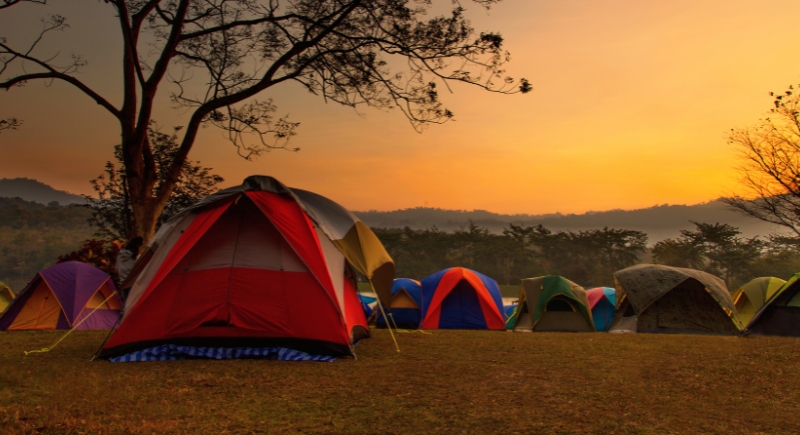
Looking for a way to enjoy the great outdoors without spending a dime on camping fees? You’re in the right place.
Free tent camping spots let you connect with nature, breathe fresh air, and escape the noise—all without breaking the bank. Imagine waking up to the sound of birds, surrounded by trees, with your tent set up at no cost. You’ll discover the best places where you can pitch your tent for free.
Ready to find your perfect camping spot and save money at the same time? Keep reading to unlock these hidden gems.

Credit: gearjunkie.com
Best Regions For Free Tent Camping
Camping for free allows you to enjoy nature without spending money. Many places offer great spots for setting up your tent. Knowing where to go helps you find peaceful and scenic areas.
This guide covers the best regions to tent camp for free. Each region offers unique landscapes and experiences for campers.
Forests And National Parks
Many forests and national parks allow free camping in designated areas. These spots often have shade, fresh air, and wildlife to enjoy. Always check park rules before camping.
- National Forests in the United States
- Public lands in Canada’s boreal forests
- State parks with dispersed camping zones
- Protected forest reserves in Europe
Desert Landscapes
Desert camping offers clear skies and quiet nights. Many deserts have free camping areas on public lands. Bring enough water and shelter from the sun.
| Desert Region | Country | Camping Tips |
| Mojave Desert | USA | Bring water, camp in shade |
| Atacama Desert | Chile | Check local regulations |
| Thar Desert | India | Prepare for cold nights |
Mountainous Areas
Mountains offer fresh air and great views for campers. Many national forests and wilderness areas allow free tent camping. Be ready for changing weather.
- Rocky Mountains in the USA and Canada
- Alps across Europe
- Himalayas in Asia (selected regions)
- Andes Mountains in South America
Coastal And Beach Sites
Coastal camping lets you sleep near the ocean. Some beaches offer free camping on public land. Check tides and rules before setting up your tent.
| Beach | Location | Free Camping Allowed |
|---|---|---|
| Assateague Island | USA | Yes, in designated zones |
| Gippsland Lakes | Australia | Yes, with permit |
| Playa Grande | Costa Rica | Yes, in some areas |
Legal Rules For Wild Camping
Wild camping lets you enjoy nature away from crowded campsites. Knowing the legal rules helps you camp safely and avoid trouble.
Different countries have different laws. You must follow rules about where and how you camp.
Country-specific Regulations
Each country has its own laws about wild camping. Some allow it in certain areas, others do not allow it at all.
- In Scotland, wild camping is legal almost everywhere.
- In England and Wales, it is mostly illegal without landowner permission.
- In the United States, rules vary by state and public land type.
- In Sweden and Norway, the right to camp freely is protected by law.
- In many countries, national parks have strict camping rules.
Permits And Restrictions
Many places require a permit to camp. Some areas have limits on how long you can stay.
| Location | Permit Needed | Max Stay |
| US National Forests | Often yes | 14 days |
| Scottish Highlands | No | Not specified |
| Swedish Wilderness | No | Overnight only |
| English National Parks | Usually yes | Varies by park |
Respecting Private Land
Most wild camping rules say you must respect private property. Always ask for permission if possible.
- Do not camp close to homes or buildings.
- Keep noise to a minimum.
- Leave gates as you found them.
- Do not damage fences or crops.
- Camp only in areas where it is allowed.
Leave No Trace Principles
Leaving no trace keeps nature clean and safe for others. Follow these simple rules:
- Pack out all trash and litter.
- Use existing fire rings or stoves instead of open fires.
- Camp at least 200 feet from water sources.
- Do not pick plants or disturb wildlife.
- Use biodegradable soap away from water.
Top Free Wild Camping Spots Worldwide
Camping in the wild is a great way to enjoy nature without spending money on campsites. Many places around the world allow free tent camping in beautiful and remote areas.
This guide shows some of the best free wild camping spots across different continents. Discover hidden gems and enjoy peaceful nights under the stars.
Hidden Gems In North America
North America offers many free camping locations in forests, mountains, and deserts. These spots let you camp away from crowded sites and city noise.
- Bureau of Land Management (BLM) lands in the western USA
- National Forests across the US with dispersed camping rules
- Public lands in Canada’s Yukon and British Columbia
- Alaska’s vast wilderness areas
- State forests and parks that allow primitive camping
Europe’s Best Wild Campsites
Europe has many countries where wild camping is allowed. Some places require permission, but many remote areas welcome campers.
| Country | Popular Free Camping Area | Notes |
| Scotland | Scottish Highlands | Right to roam law allows wild camping |
| Sweden | Lapland region | Allemansrätten permits camping on public land |
| Norway | National Parks like Jotunheimen | Right to roam applies with some restrictions |
| Estonia | Soomaa National Park | Free camping allowed in marked areas |
| Portugal | Serra da Estrela Mountains | Remote spots with low visitor pressure |
Wild Camping In Australia And New Zealand
Both Australia and New Zealand have wild camping spots in national parks and wilderness areas. Rules vary by region, so check local guidelines.
- Australia’s national parks allow camping in designated free areas
- New Zealand’s Department of Conservation (DOC) has free campsites in remote areas
- Outback regions in Australia offer vast spaces for wild camping
- New Zealand’s South Island offers many mountain and lake camping spots
Remote Locations In Asia And Africa
Asia and Africa have remote wild camping spots for adventurous travelers. Some areas are less known but offer unique experiences.
| Region | Spot | Camping Info |
|---|---|---|
| Asia | Altai Mountains, Mongolia | Free camping allowed in open lands |
| Asia | Himalayas, Nepal border areas | Permits needed, but wild camping is common |
| Africa | Namib Desert, Namibia | Free camping in remote desert areas |
| Africa | Drakensberg Mountains, South Africa | Wild camping allowed outside reserves |
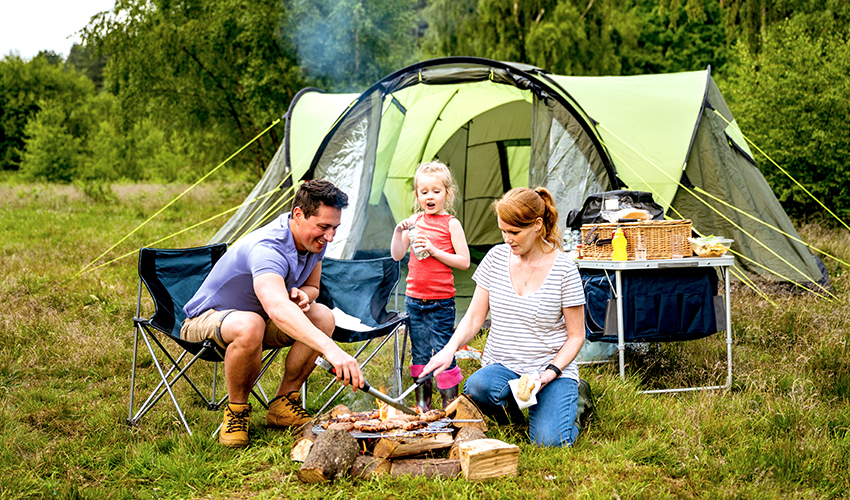
Credit: caamagazine.com
Essential Gear For Wild Camping
Wild camping means camping in places without facilities. You need the right gear to stay safe and comfortable.
Choosing the right equipment helps you enjoy nature while keeping light and prepared.
Lightweight Tents And Shelters
Lightweight tents protect you from weather and bugs. They are easy to carry on long walks.
Some people use tarps or hammocks to reduce weight. Choose a shelter that fits your trip length and weather.
- Look for tents that weigh under 3 pounds
- Choose waterproof and breathable fabrics
- Consider quick setup designs
- Tarps offer flexibility and lower weight
Sleeping Bags And Pads
A good sleeping bag keeps you warm at night. Pick one rated for the coldest temperature you expect.
Sleeping pads add comfort and insulation. They stop cold from the ground and help you rest better.
- Choose a sleeping bag with down or synthetic fill
- Use a pad with enough thickness for comfort
- Look for lightweight and compressible options
Cooking And Food Storage
Bring a small stove or portable burner for cooking. It saves time and energy on the trail.
Food storage keeps your meals safe from animals and fresh. Use sealed containers or bags that block smells.
- Choose a lightweight camping stove with fuel
- Bring reusable cooking pots and utensils
- Use bear-proof containers if needed
- Pack non-perishable, high-energy foods
Safety And Navigation Tools
Safety gear helps you handle emergencies. Navigation tools keep you on the right path.
Always carry a map and compass. A GPS device or smartphone app can help but do not rely on them alone.
- Bring a first aid kit with basic supplies
- Carry a whistle and flashlight
- Use a map and compass for navigation
- Consider a GPS device or app backup
Tips For A Safe Wild Camping Experience
Wild camping offers a unique way to enjoy nature. It lets you explore remote places and find peace. Safety is important to make the experience fun and trouble-free.
Before you set out, learn how to prepare well. This guide helps you camp safely in the wild.
Choosing The Right Campsite
Pick a flat and dry area to set up your tent. Avoid places near cliffs, rivers, or dead trees. Check for signs of animals or insects before settling.
- Look for natural windbreaks like bushes or rocks
- Camp at least 200 feet away from water sources
- Choose a spot with good drainage to avoid flooding
- Avoid areas with heavy leaf cover that may hide insects
Dealing With Wildlife
Respect wildlife by keeping your distance. Do not feed animals or leave food out. Store all food in sealed containers or hang it from a tree.
| Animal | Safety Tip |
| Bears | Use bear-proof containers and cook away from sleeping area |
| Snakes | Watch your step and keep your tent zipped |
| Insects | Wear long sleeves and use insect repellent |
| Deer | Do not approach or feed; observe quietly |
Weather Preparedness
Check the weather forecast before camping. Bring gear for cold, rain, or sun. Dress in layers and keep dry clothes in a waterproof bag.
- Pack a waterproof tent and raincoat
- Wear a hat and sunscreen for sun protection
- Carry extra blankets or a sleeping bag rated for cold
- Keep an eye on changing weather and seek shelter if needed
Emergency Preparedness
Be ready for emergencies by carrying a first aid kit and a reliable light source. Know how to signal for help if you get lost or hurt.
- First aid kit with bandages and antiseptic
- Whistle for signaling
- Flashlight or headlamp with extra batteries
- Mobile phone with portable charger
- Map and compass or GPS device
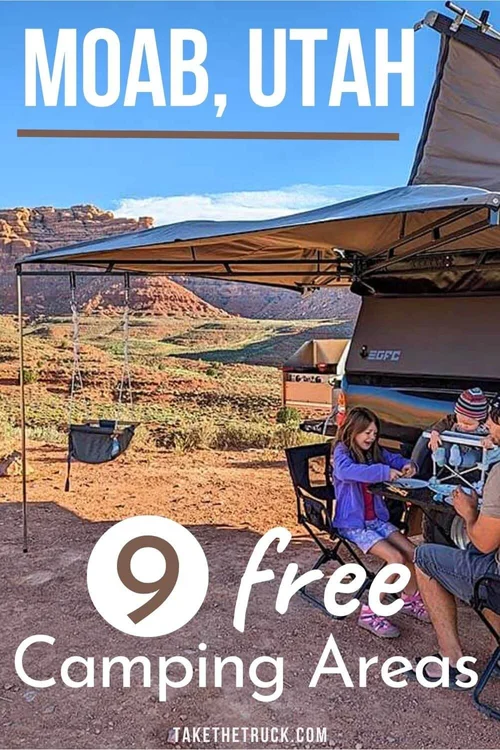
Credit: www.takethetruck.com
How To Find Free Camping Spots
Camping for free is a great way to enjoy nature without paying fees. You can find many spots if you know where to look.
There are several ways to find free camping places. Use tools and advice from others who camp for free.
Using Maps And Apps
Maps and apps help you locate free camping spots near you. Many apps show public lands and nearby camping areas.
Look for apps that list national forests, BLM lands, and other public areas. These often allow free camping.
- AllTrails
- FreeRoam
- Campendium
- Gaia GPS
- iOverlander
Local Knowledge And Communities
Talking to locals can help you find hidden free camping places. People who live nearby know spots not on maps.
Visit local outdoor shops or ranger stations. They often share tips about safe and legal free camping areas.
- Ask park rangers about free camping
- Join local hiking or camping groups
- Visit outdoor gear stores for advice
- Look for community bulletin boards
Online Forums And Resources
Online forums have many camping enthusiasts who share free camping spots. You can read trip reports and tips.
Websites and forums often have lists of free camping areas by region. Use them to plan your trip.
- Reddit camping communities
- Freecampsites.net
- Hipcamp forums
- Outdoor enthusiast Facebook groups
Frequently Asked Questions
Where Can You Tent Camp For Free In The Us?
You can tent camp for free on many public lands managed by the Bureau of Land Management (BLM) and US Forest Service. These areas often allow dispersed camping away from developed sites. National forests, some state parks, and designated wilderness areas also offer free camping with minimal facilities.
What Are The Best Free Tent Camping Spots Near Cities?
Look for national forests, BLM lands, and state forests near cities. These spots provide easy access while offering free dispersed camping. Popular areas include parts of California’s Sierra Nevada, Colorado’s national forests, and Oregon’s public lands. Always check local regulations before camping.
How Long Can You Stay Camping For Free On Public Land?
Typically, free camping on public lands is limited to 14 days within a 30-day period. This rule helps protect natural resources and prevents overcrowding. Always verify specific limits with local land management agencies before setting up camp.
Are There Any Restrictions For Free Tent Camping?
Yes, restrictions often include no campfires in dry seasons, no camping near water sources, and no trash dumping. Some areas require permits or have seasonal closures. Always follow Leave No Trace principles and local regulations to preserve the environment.
Conclusion
Finding free tent camping spots offers both adventure and savings. Explore national forests and Bureau of Land Management lands for free sites. Local parks and wildlife refuges often welcome campers without charge. Always check local regulations to avoid fines. Respect nature by leaving no trace.
Enjoy the peace and beauty of the outdoors. Share your experiences with fellow campers. Camping for free brings unique stories and memories. Happy camping!