Have you ever wondered how plants manage to feed themselves without eating like we do? It might surprise you to learn that plants have a special way of getting energy to make their own food.
Understanding this process can change the way you see the green world around you. If you want to discover where plants get their energy and how they turn it into food, keep reading—you’re about to uncover a fascinating secret hidden in every leaf you see.
Photosynthesis Process
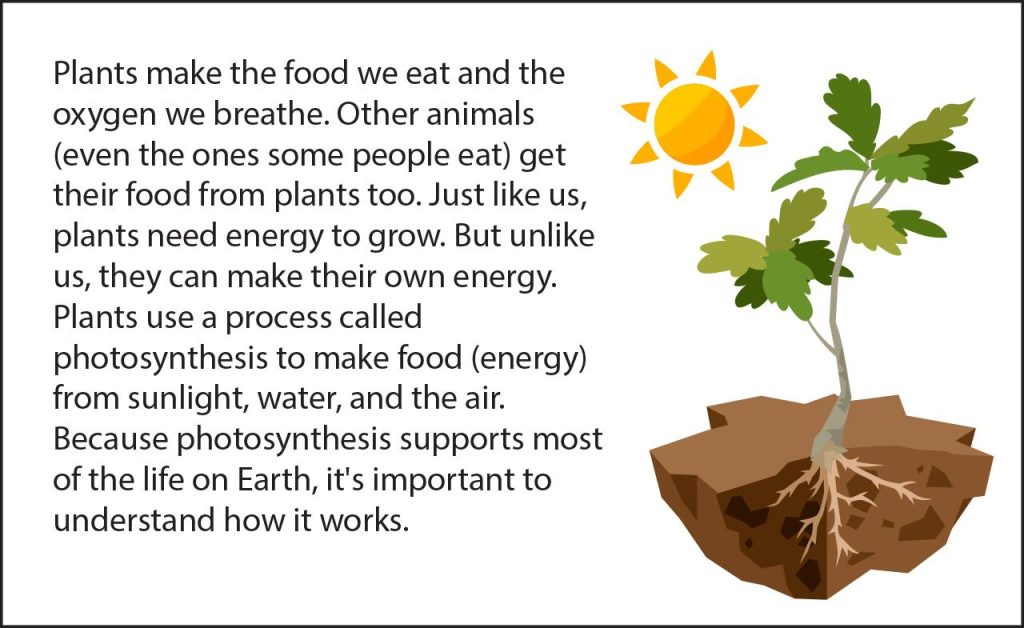
Plants make their own food through a process called photosynthesis. This process uses light to turn water and carbon dioxide into energy.
Photosynthesis happens mainly in the leaves of plants. It helps plants grow and produce oxygen for us to breathe.
Role Of Sunlight
Sunlight is the main source of energy for plants. It provides the light energy needed to start photosynthesis.
Without sunlight, plants cannot make food. They absorb sunlight through their leaves to power the process.
Chlorophyll And Light Absorption
Chlorophyll is a green pigment in plant leaves. It helps plants capture sunlight and absorb light energy.
Chlorophyll mainly absorbs blue and red light. It reflects green light, which is why leaves look green.
- Chlorophyll is found in chloroplasts inside leaf cells
- It captures light energy for photosynthesis
- It plays a key role in converting light to food energy
Conversion Of Light To Chemical Energy
Plants convert light energy into chemical energy during photosynthesis. This energy is stored as sugar, which plants use for food.
The process splits water molecules and creates oxygen. The energy helps turn carbon dioxide into glucose, a type of sugar.
- Light energy splits water into oxygen and hydrogen
- Oxygen is released into the air
- Hydrogen and carbon dioxide form glucose
- Glucose provides energy for plant growth
Sources Of Carbon Dioxide
Plants need carbon dioxide to make food through photosynthesis. They get this gas mainly from the air around them.
Understanding where plants get carbon dioxide helps us learn how they grow and stay healthy.
Atmospheric Co2 Intake
Carbon dioxide in the atmosphere is the main source for plants. The air contains about 0.04% carbon dioxide. Plants absorb this gas to create glucose and oxygen.
- Carbon dioxide enters the plant leaves from the air.
- The amount of CO2 in the atmosphere affects plant growth.
- Plants near busy roads may get less pure CO2.
- Indoor plants rely on the room’s air for CO2.
Stomata Function
Stomata are small openings on leaves that let gases in and out. They help plants take in carbon dioxide and release oxygen.
| Stomata Role | Description |
| Carbon Dioxide Intake | Stomata open to let CO2 enter the leaf. |
| Oxygen Release | They release oxygen as a byproduct of photosynthesis. |
| Water Regulation | Stomata close to reduce water loss in dry conditions. |
Water’s Role In Food Production
Plants need energy to make food. They get this energy from sunlight. Water plays a big part in this process.
Water helps plants carry out photosynthesis. It moves nutrients and keeps plants healthy.
Absorption Through Roots
Plant roots soak up water from the soil. This water travels up the stem to the leaves.
Water carries minerals that plants need to grow. Without water, plants cannot make food or stay alive.
Water Splitting In Photosynthesis
Inside leaves, water breaks down into oxygen and hydrogen. This happens during photosynthesis.
The hydrogen helps make sugar, which is the plant’s food. The oxygen is released into the air.
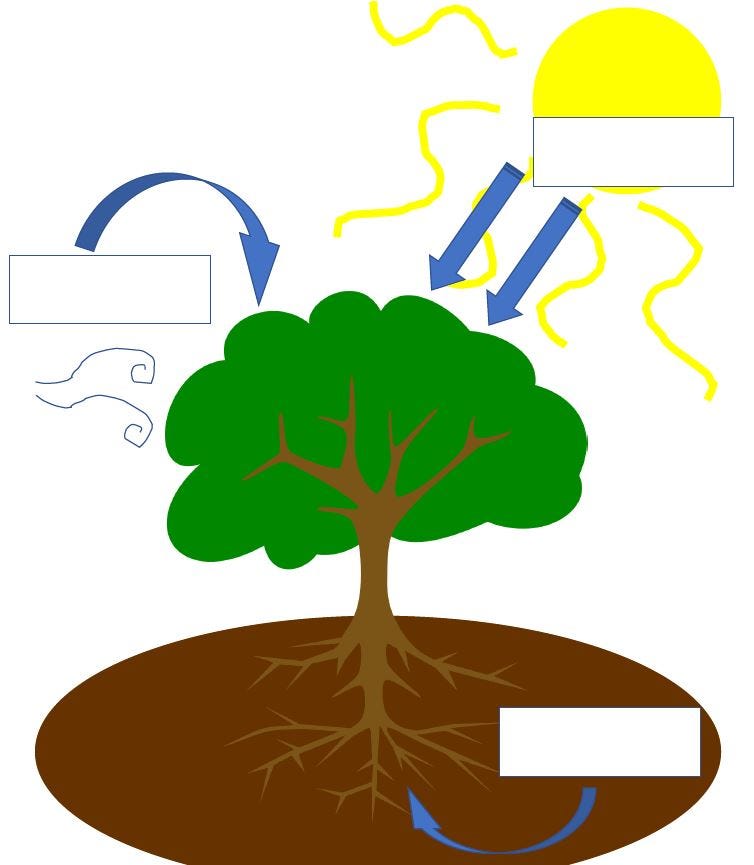
- Water splits into oxygen, hydrogen, and electrons
- Hydrogen helps build glucose sugar
- Oxygen leaves the plant as a gas
Credit: blog.littlelives.com
Glucose Formation And Storage
Plants make their own food using sunlight. This process is called photosynthesis. It helps plants create glucose, a type of sugar.
Glucose is important for plants. It gives energy and helps plants grow. Plants also store glucose for later use.
Sugar Synthesis
Plants use sunlight, water, and carbon dioxide to make glucose. This happens in the leaves inside tiny parts called chloroplasts.
Chlorophyll captures sunlight and starts a chemical reaction. This reaction turns carbon dioxide and water into glucose and oxygen.
- Sunlight provides energy
- Carbon dioxide comes from the air
- Water is absorbed by roots
- Glucose is the sugar made
- Oxygen is released into the air
Energy Storage In Plants
Plants use glucose right away or change it into starch to store energy. Starch is a long chain of glucose molecules.
Stored starch stays in roots, stems, and leaves. Plants break down starch back to glucose when they need energy.
- Glucose provides immediate energy
- Starch stores extra energy
- Starch is stored in roots and stems
- Stored starch helps plants survive without sunlight
Energy Flow In Ecosystems
Plants are vital in ecosystems. They capture energy from the sun. This energy helps them make food through photosynthesis.
Without plants, energy would not flow in ecosystems. They start the energy chain that supports all life.
Plants As Primary Producers
Plants are known as primary producers. They use sunlight to create food. This process is called photosynthesis.
Photosynthesis happens in the leaves. Plants take in carbon dioxide and water, and produce glucose and oxygen.
- Sunlight provides energy for plants.
- Chlorophyll in leaves captures sunlight.
- Plants produce oxygen as a byproduct.
Food Chain Connection
Energy from plants moves through the food chain. Animals eat plants to get energy. This makes plants the base of the food chain.
Each level of the food chain depends on the one below it. Herbivores eat plants, and carnivores eat herbivores.
| Level | Organism | Energy Source |
| 1 | Plants | Sunlight |
| 2 | Herbivores | Plants |
| 3 | Carnivores | Herbivores |
Factors Affecting Energy Production
Plants make food using energy from sunlight. This process is called photosynthesis.
Some things affect how much energy plants can produce. These factors help plants grow and stay healthy.
Light Intensity
Light is the main source of energy for plants. The stronger the light, the more energy plants get.
If light is too low, plants cannot make enough food. Too much light can also harm plants.
- Bright light helps photosynthesis
- Low light slows down energy production
- Too much light can damage leaves
Water Availability
Plants need water to make food. Water helps carry nutrients and keeps cells healthy.
Without enough water, plants stop making food and may wilt or die.
- Water supports photosynthesis
- Dry soil limits water intake
- Plants close pores to save water
Carbon Dioxide Levels
Plants use carbon dioxide from the air to make food. More carbon dioxide means more energy.
If carbon dioxide is low, plants cannot produce enough food. This slows growth and energy production.
- Carbon dioxide is raw material for photosynthesis
- Higher levels increase food production
- Low levels limit plant growth
Temperature Effects
Temperature affects how fast plants make food. Warm temperatures speed up photosynthesis.
Too cold or too hot temperatures slow down or stop energy production.
- Optimal temperature helps enzymes work well
- Cold slows down photosynthesis
- Heat can damage plant cells
Adaptations For Energy Efficiency
Plants have special features that help them save energy. These changes let them make food in tough places. Different types of plants have different ways to get energy.
Understanding these adaptations shows how plants survive and grow. Some changes happen in leaves. Others happen in how plants process sunlight and air.
Leaf Structure Variations
Leaves can change their shape and parts to get energy better. Some leaves are thick to keep water. Others have many tiny holes to let air in and out. These changes help plants save water and catch sunlight.
- Thick leaves store water in dry places.
- Thin leaves catch sunlight quickly in shady areas.
- Leaves with waxy surfaces stop water loss.
- Some leaves curl to reduce heat exposure.
Cam And C4 Photosynthesis
Some plants use special ways to make food using less water. CAM and C4 photosynthesis are two types. They help plants live in hot and dry places.
| Type | Main Feature | Where Found |
| CAM Photosynthesis | Open stomata at night to save water | Desert plants like cacti |
| C4 Photosynthesis | Separate steps in different cells to use CO2 well | Grasslands and tropical plants |

Credit: www.youtube.com

Credit: knowledgebase.centreforelites.com
Frequently Asked Questions
Where Do Plants Get Energy For Photosynthesis?
Plants get energy from sunlight. Chlorophyll in leaves absorbs sunlight, which powers photosynthesis. This process converts light energy into chemical energy stored in glucose.
How Do Plants Use Sunlight To Make Food?
Plants use sunlight to convert carbon dioxide and water into glucose. Sunlight provides energy, enabling chlorophyll to drive the chemical reactions in photosynthesis.
What Role Does Chlorophyll Play In Energy Absorption?
Chlorophyll absorbs light energy from the sun. It captures mostly blue and red wavelengths, converting this energy to fuel food production in plants.
Can Plants Make Food Without Sunlight?
No, plants need sunlight for photosynthesis. Without light, they cannot produce glucose and will eventually die due to lack of energy.
Conclusion
Plants get energy from sunlight to make their own food. They use a process called photosynthesis. This process changes light into energy plants can use. Water and carbon dioxide help plants create food. Leaves play a big role in capturing sunlight.
Without sunlight, plants cannot produce energy or grow. This energy supports life on Earth by feeding animals and people. Understanding this helps us appreciate nature more. Plants truly rely on the sun’s power every day. Simple but amazing.