Have you ever wondered where the weights on a fishing line should go? Getting this right can make a huge difference in your fishing experience.
If the weights aren’t placed correctly, your bait might not reach the right depth, or your line could tangle easily. But don’t worry—this article will clear up the mystery and show you exactly where to put those weights for the best results.
Keep reading, and you’ll soon cast your line with confidence like a pro.

Credit: www.amazon.com
Types Of Fishing Weights
Fishing weights help control the depth and position of your bait. They come in many shapes and sizes. Knowing the right type helps improve your fishing experience.
Each weight type works best in different water and fishing conditions. Let’s explore some common types of fishing weights.
Split Shot Weights
Split shot weights are small round pieces of lead or tungsten. You pinch them onto your fishing line. They add just a little weight and are easy to move.
These weights are great for light fishing and when you want your bait to move naturally in the water.
Egg Sinkers
Egg sinkers are oval-shaped weights with a hole through the center. The fishing line passes through the hole. This design lets the bait move freely.
- Good for bottom fishing
- Reduces line tangles
- Easy to slide on the line
Bullet Weights
Bullet weights are shaped like a bullet or torpedo. They slide easily through weeds and brush without getting stuck. This shape helps when fishing in heavy cover.
| Feature | Benefit |
|---|---|
| Shape | Streamlined for easy movement |
| Use | Best for fishing in weeds |
| Material | Usually lead or tungsten |
Bank Sinkers
Bank sinkers are heavier weights with a flat bottom. They hold the line steady in strong currents. Anglers use them in rivers or deep water.
The flat shape helps keep the weight from rolling around on the riverbed or lake floor.
Factors Influencing Weight Placement
Placing weights on a fishing line is crucial for successful fishing. The position of the weights can affect how the bait moves in the water.
Several factors influence where to place the weights. Understanding these factors helps in catching more fish.
Water Depth And Current
Water depth determines how deep your bait needs to go. Deeper water may require more weight to reach the bottom.
Currents can move your bait away from the target area. Weights help keep the bait steady in strong currents.
- Use heavier weights in deep water
- Adjust weights to counteract strong currents
- Check water conditions before fishing
Target Fish Species
Different fish species have different feeding habits. Some fish swim near the surface, while others stay deep.
Knowing the habits of your target fish helps in placing the weights correctly. This ensures the bait reaches the right depth.
- Research the fish species you want to catch
- Place weights to match fish feeding depths
- Adjust based on fish activity
Rod And Reel Setup
Your rod and reel setup affects how you place weights. A strong rod can handle heavier weights more easily.
The type of reel also matters. Some reels work better with lighter weights, while others can handle more.
- Choose weights based on your rod’s strength
- Match weights to the reel type
- Experiment with different setups
Common Weight Placement Methods
Adding weights to a fishing line helps to cast farther and reach deeper water. Different ways to place weights affect how the bait moves and looks underwater.
Choosing the right weight placement depends on the fishing style and the type of fish you want to catch. Here are some common ways to place weights on a fishing line.
Fixed Weight Placement
In fixed weight placement, the weight is tied or attached directly to the line. It stays in one place and does not slide. This setup is simple and easy to use.
This method helps keep the bait at a certain depth. It is good for fishing in shallow water or slow-moving currents.
Sliding Weight Setup
In a sliding weight setup, the weight can move freely up and down the line. The weight slides until it hits a stopper or knot.
This lets the fish bite without feeling the weight. It works well for fish that are easily scared or sensitive to resistance.
- Weight slides on the main line
- Stopper knot or bead limits sliding distance
- Bait moves naturally with less resistance
Drop Shot Rig
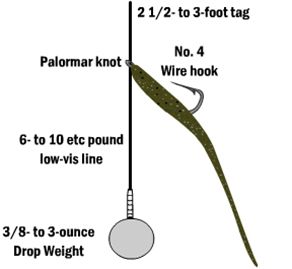
The drop shot rig places the weight below the hook on the line. The hook stays above the weight, holding the bait off the bottom.
This setup keeps the bait in the strike zone longer. It is good for fishing near the bottom without snagging on rocks or weeds.
- Weight tied at the end of the line
- Hook tied above the weight on a short leader
- Bait stays suspended off the bottom

Credit: www.reddit.com
Placing Weights For Different Techniques
Weights help cast your fishing line farther and keep bait in the right spot. Different fishing styles need weights placed in different positions on the line.
Knowing where to put weights improves your chance of catching fish. This guide explains weight placement for common fishing techniques.
Bottom Fishing
In bottom fishing, the weight keeps your bait near the lake or river bed. Place the weight close to the hook to keep bait on the bottom.
Use a sinker or a split shot a few inches above the hook. This helps the bait stay steady and reach the bottom quickly.
- Attach the weight 6-12 inches above the hook
- Choose heavier weights for deeper water
- Keep the weight tight to prevent line tangles
Casting And Retrieving
For casting and retrieving, the weight helps you cast far and control bait depth. Place the weight farther from the hook to allow natural bait movement.
Use a sliding weight or a sinker 1 to 3 feet above the hook. This gives the bait freedom to move when you reel it in.
- Slide the weight up the line for adjustable depth
- Use a lighter weight for slow retrieves
- Heavier weights help cast longer distances
Trolling
Trolling involves dragging bait behind a moving boat. Weights keep bait at a set depth while moving.
Place weights close to the bait to hold it steady. Use heavier weights in deep water or strong currents.
- Attach weight within 12 inches of the hook
- Choose weight based on speed and water depth
- Use weighted rigs or lead sinkers for stability
Float Fishing
Float fishing uses a bobber to keep bait off the bottom. Weights help balance the float and control bait depth.
Place small split shot weights below the float. Adjust their position to set how deep the bait swims.
- Start with weights 6-12 inches below the float
- Add or remove weights to balance the float properly
- Use light weights to keep bait natural
Tips For Adjusting Weight Position
Knowing where to place weights on your fishing line can change your fishing experience. Adjusting weight position helps with casting, bait presentation, and avoiding tangles.
Small changes in weight placement can make a big difference. Try different positions to see what works best for your fishing style.
Improving Casting Distance
Placing weights farther from the bait can help you cast farther. The weight pulls the line straight, making your cast smooth and long.
Try sliding the weight about 12 to 18 inches above the hook. This setup adds momentum to your cast and helps the bait reach distant spots.
- Use heavier weights for longer casts
- Keep weight away from the bait for less drag
- Adjust weight distance to match rod and lure type
Enhancing Bait Presentation
Placing weight close to the bait keeps it near the bottom or at the right depth. This looks natural to fish and helps attract bites.
Try using a split shot or small sinker right above the hook. This lets the bait move gently in the water, making it more appealing.
- Light weights keep bait movement natural
- Heavy weights can make bait sink too fast
- Adjust weight size based on water depth and current
Reducing Line Tangles
Proper weight placement stops the line from twisting and tangling. Weights too close to the rod tip cause loops and knots.
Move weights a bit farther from the rod tip. This helps the line stay straight and reduces tangles during casting and retrieval.
- Keep weight at least 12 inches from the rod tip
- Use swivel connectors to prevent line twist
- Check your line often for knots or loops

Credit: www.reddit.com
Common Mistakes To Avoid
Using weights on a fishing line is not as simple as it seems. Many anglers make mistakes that hurt their catch rates.
This guide covers common errors and how to fix them for better fishing results.
Overweighting The Line
Putting too much weight on your line can cause several problems. It can make your bait sink too fast or scare away fish.
- Heavy weights reduce bait movement, making it less natural.
- It increases the risk of line breakage during casting or fighting fish.
- Overweighting tires you out faster while casting.
- It may cause your hook to miss bites because of fast sinking.
Incorrect Weight Placement
Where you place the weight on the line matters. Wrong placement can reduce sensitivity and hook set success.
| Weight Placement | Effect |
|---|---|
| Too close to the hook | Limits bait movement and scares fish |
| Too far from the hook | Reduces hook set strength |
| Balanced placement | Improves natural bait action and hook setting |
Ignoring Water Conditions
Water depth, current, and clarity affect how you should use weights. Ignoring these can waste time and effort.
- Strong currents need heavier weights to keep bait in place.
- Shallow water requires lighter weights to avoid snagging.
- Clear water calls for subtle weight use to avoid spooking fish.
- Adjust weight based on how the bait moves in different waters.
Frequently Asked Questions
Where Should Weights Be Placed On A Fishing Line?
Weights are typically placed 12-18 inches above the hook. This placement helps control casting distance and depth. It also prevents scaring fish by keeping the bait natural and free-moving.
Why Is Weight Placement Important On Fishing Lines?
Proper weight placement ensures better casting accuracy and bait presentation. It helps the bait reach the desired water depth quickly. Correctly placed weights improve fish detection and increase catch rates.
Can Weight Placement Affect Fishing Line Sensitivity?
Yes, weight placement directly impacts sensitivity. Placing weights too close to the hook reduces bait movement. Proper spacing allows anglers to feel bites and subtle fish activity better.
How Do Different Weights Affect Fishing Line Behavior?
Heavier weights increase casting distance and sink speed. Lighter weights allow for a more natural bait presentation. Choose weight based on water depth, current, and target fish species.
Conclusion
Placing weights on a fishing line helps control depth and cast distance. Small weights near the hook keep bait steady and natural. Heavier weights further up let you cast farther and reach deeper spots. Knowing where to put weights improves your fishing success.
Try different setups to see what works best for you. Fishing is simple when you understand your gear. Keep practicing, and enjoy your time on the water.