Are you struggling to get your fishing line just right? Knowing where to put the sinker on your fishing line can make all the difference between a quiet day and a successful catch.
Whether you’re a beginner or looking to improve your technique, placing the sinker correctly helps your bait reach the perfect depth and stay in place. Keep reading, and you’ll discover simple tips that can boost your fishing game and bring more fish to your line every time you cast.
Credit: usfws.medium.com
Types Of Sinkers
Sinkers help your fishing line sink to the right depth. They come in many shapes and sizes. Each type works best in certain fishing spots and conditions.
Knowing the types of sinkers helps you choose the right one. This guide explains four common sinkers and their uses.
Split Shot Sinkers
Split shot sinkers are small and round with a slit. You pinch them onto the fishing line. They let you add weight without tying knots. Anglers use them to keep bait near the bottom or in mid-water.
Egg Sinkers
Egg sinkers look like oval eggs with a hole through the center. The line passes through the hole. This design allows the bait to move freely. Egg sinkers work well in rivers or streams with strong currents.
Bank Sinkers
Bank sinkers are heavier and shaped like a teardrop with a flat bottom. They hold the line steady in deep or fast water. You often use them for bank fishing or surf fishing. The flat bottom stops the sinker from rolling.
- Shape: Teardrop with flat bottom
- Weight: Usually heavier than other sinkers
- Use: Deep water and strong currents
- Advantage: Stays in place on the bottom
Bullet Sinkers
Bullet sinkers are long and pointed like a bullet. They slide easily through weeds and cover. Bass anglers like them for fishing in heavy vegetation. The shape helps avoid snags and keeps the bait moving naturally.

Credit: fishingbooker.com
Factors Influencing Sinker Placement
Placing the sinker correctly on a fishing line helps in catching fish effectively. Several factors influence where you should put the sinker.
Understanding these factors can improve your fishing experience and increase your chances of success.
Water Depth
The depth of the water affects sinker placement. In deep water, place the sinker further down the line. This helps the bait reach the desired depth quickly.
In shallow water, a lighter sinker is better. It prevents the bait from sinking too fast.
Current Strength
Strong currents require a heavier sinker. This ensures the bait stays in place and does not drift away.
In calm waters, a lighter sinker is sufficient. It allows for more natural bait movement.
Target Fish Species
Different fish species stay at varying depths. Research the habits of your target fish before placing the sinker.
- Bottom dwellers need a sinker placed close to the hook.
- Surface feeders require a sinker further from the hook.
Bait Type
Heavy bait may need less weight from a sinker. This helps in maintaining a natural presentation.
Light bait might need more weight to reach the desired depth quickly.
Common Sinker Positions
Sinkers help your bait sink to the right depth. The position of the sinker on the line changes how the bait moves.
Choosing the right sinker position can improve your chances of catching fish.
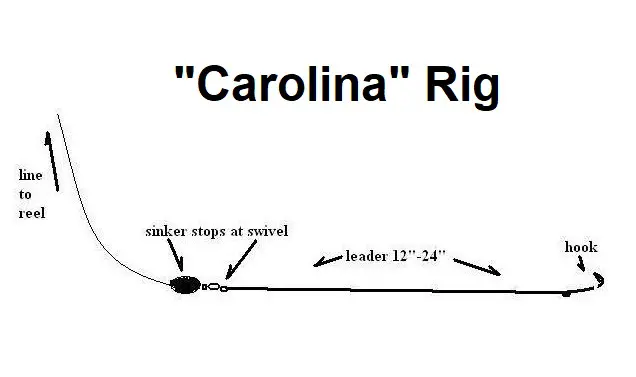
Above The Hook
Placing the sinker above the hook lets the bait float just above the bottom. This keeps the bait visible to fish.
This setup works well for fish that stay near the bottom but do not eat from the ground.
- The sinker slides freely above the hook
- Allows natural bait movement
- Reduces tangles in weeds or rocks
Below The Hook
Placing the sinker below the hook is less common but can work in some fishing styles. It holds the bait higher in the water.
This position may help when fish swim at mid-depth and avoid the bottom.
- Sinker fixed below the hook
- Keeps bait suspended in water
- Good for slow current or still water
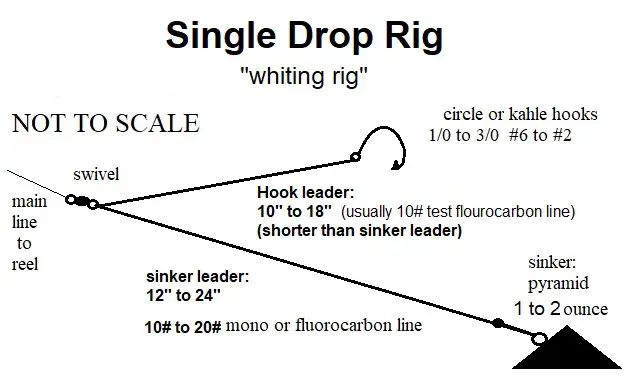
Multiple Sinkers Setup
Using multiple sinkers spreads the weight on the line. This helps control bait movement in strong currents.
Multiple sinkers can be placed at different points to keep the bait steady and balanced.
- One sinker near the hook
- Additional sinkers spaced above
- Improves line stability in water
- Helps reach desired depth quickly
Techniques For Different Fishing Styles
Placing the sinker on your fishing line depends on the fishing style you use. Each style needs a different technique.
Knowing where to put the sinker helps you catch fish better. This guide covers still fishing, drift fishing, and casting.
Still Fishing
In still fishing, you keep the bait in one spot. The sinker should be placed above the bait to hold it steady on the bottom.
Use a sliding sinker on the line so fish can take the bait without feeling the weight.
- Place the sinker 6 to 12 inches above the hook
- Use a slip sinker for less resistance
- Adjust sinker weight based on water depth and current
Drift Fishing
Drift fishing involves letting the boat move with the current. The sinker should be heavy enough to keep the bait near the bottom.
Attach the sinker a few inches above the hook so the bait can move naturally in the water.
- Place the sinker 12 to 18 inches above the hook
- Choose a weight that balances drift speed
- Use egg or bank sinkers for smooth drifting
Casting
Casting requires the sinker to help the bait travel far when thrown. The sinker goes close to the hook or tied as a split shot.
This setup keeps the bait near the sinker for better control and distance.
- Place the sinker 1 to 3 inches from the hook
- Use small split shot sinkers for light baits
- Adjust sinker size for casting distance and water conditions
Tips For Adjusting Sinker Placement
Placing the sinker correctly on your fishing line affects how well you catch fish. Adjusting it helps you feel bites and keeps your bait in the right spot.
Knowing how to move the sinker can improve your fishing. Try different spots to find what works best for your fishing style.
Testing Sensitivity
Sinker placement changes how sensitive your line feels. If the sinker is too close to the hook, you may miss light bites. Moving it further away lets you feel small tugs better.
- Place the sinker about 12 inches above the hook to start.
- Cast the line and watch for any bite reactions.
- Move the sinker closer if you want stronger hook sets.
- Move it further if you want to detect lighter bites.
Avoiding Snags
To stop your sinker from getting stuck on rocks or weeds, adjust its position carefully. A heavier sinker near the hook can cause snags. Try placing it higher to let the bait move freely.
| Sinker Position | Effect |
| Close to hook | More chance to snag on bottom |
| 12-18 inches above hook | Less chance of snagging |
| Far from hook | Better bait movement, fewer snags |
Maximizing Bait Movement
Proper sinker placement helps your bait move naturally. This attracts more fish. Let the bait float or drift by placing the sinker further up the line.
- Use a sliding sinker to allow free bait movement.
- Place the sinker 18 inches or more from the hook.
- Choose lighter sinkers to keep the bait drifting.
- Check how the bait moves in water before fishing.
Common Mistakes To Avoid
Knowing where to put the sinker on a fishing line is important. Many anglers make simple mistakes that hurt their fishing experience. Avoiding these errors helps catch more fish.
Here are common mistakes to watch out for when using sinkers. Fixing these can improve your casting and bait presentation.
Using Too Much Weight
Putting too much weight on your line can cause problems. It makes your bait sink too fast and look unnatural. Fish may get scared or ignore it.
- Heavy sinkers reduce bait movement in the water.
- Too much weight can break your line or damage your rod tip.
- It makes casting harder and less accurate.
- Fish may feel the heavy weight and avoid the bait.
Incorrect Sinker Type
Choosing the wrong sinker type can change how your bait behaves. Each sinker type works best in certain fishing spots and water conditions.
| Sinker Type | Best Use | Common Mistake |
| Split Shot | Lightweight, small streams | Using in strong currents |
| Egg Sinker | Bottom fishing, gentle currents | Using where water is very shallow |
| Bank Sinkers | Deep water, heavy currents | Using in calm water |
| Pyramid Sinkers | Sandy or rocky bottoms | Using on muddy bottoms |
Ignoring Water Conditions
Not adjusting sinker placement for water conditions can hurt fishing success. Water depth, current, and bottom type affect where and how to place the sinker.
- In fast currents, place the sinker closer to the bait for better control.
- In still water, keep the sinker farther from the bait to allow natural movement.
- Adjust sinker weight based on water depth and flow speed.
- Check bottom type to choose sinker shape that won’t sink into mud or get stuck on rocks.
Credit: greatdaysoutdoors.com
Frequently Asked Questions
Where Should I Place The Sinker On A Fishing Line?
Place the sinker a few inches above the hook on the fishing line. This helps the bait sink naturally and attracts fish efficiently.
How Far From The Hook Is The Sinker Placed?
Typically, place the sinker 6 to 12 inches above the hook. This distance allows the bait to move freely and look natural underwater.
Can I Put Multiple Sinkers On One Fishing Line?
Yes, you can use multiple sinkers to control sinking speed. Space them evenly to avoid tangling and maintain natural bait movement.
Why Is Sinker Placement Important For Fishing Success?
Correct sinker placement ensures bait sinks to the right depth. It improves casting distance and increases your chances of catching fish.
Conclusion
Placing the sinker correctly helps your bait sink at the right speed. It improves your chances of catching fish. Too close to the hook, and the bait moves unnaturally. Too far, and you lose control. Experiment with positions to see what works best.
Fishing is about patience and practice. Each spot may need a different setup. Keep adjusting until you find the perfect balance. This simple step can make your fishing trips more successful.